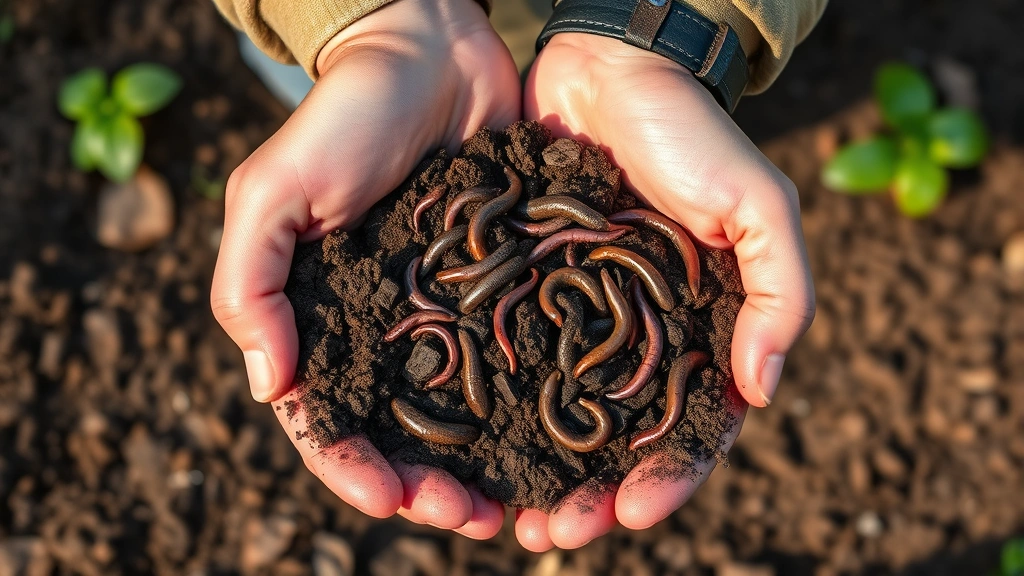
Clay Soil: Expert Tips for Plant Growth Success
Clay soil presents a unique paradox for gardeners and horticulturists alike. While its dense composition and nutrient-rich nature can theoretically support exceptional plant growth, the reality is far more complex. Understanding clay’s ability to support plant growth requires examining both its inherent advantages and the significant challenges it presents. Like personal development, where understanding your foundation determines your trajectory, mastering clay soil management unlocks your garden’s true potential.
The journey toward thriving plants in clay begins with recognizing that clay soil isn’t inherently problematic—it’s simply misunderstood. Just as growth mindset principles teach us to view challenges as opportunities, approaching clay soil with knowledge and strategic modifications transforms apparent obstacles into advantages. This comprehensive guide reveals expert techniques that enable clay soil to become your garden’s greatest asset rather than its limiting factor.
Understanding Clay Soil Composition and Structure
Clay soil consists of mineral particles smaller than 0.002 millimeters, creating an extremely dense matrix that fundamentally differs from sandy or loamy alternatives. These microscopic particles possess remarkable properties: they carry negative electrical charges that attract positively charged nutrient ions, creating an environment where essential minerals remain available to plant roots. According to research published in Nature’s soil science journals, clay’s cation exchange capacity (CEC) exceeds that of sand by factors of 10 to 40, meaning clay naturally holds nutrients that plants require.
The structural integrity of clay presents both benefits and challenges. When properly managed, clay soil provides stable support for plant root systems and resists nutrient leaching during heavy rainfall. However, clay’s cohesive nature also creates compaction issues that restrict root penetration and oxygen availability. The key distinction lies in recognizing that clay’s density supports nutrient retention while simultaneously demanding strategic intervention to maintain proper aeration and drainage.
Soil texture analysis reveals that true clay soil contains at least 40% clay particles by weight. Most garden soils are clay loams—containing 20-30% clay—which actually represent ideal growing conditions. Understanding your specific clay composition through the Soil Science Society of America’s testing protocols provides the foundation for targeted improvements aligned with your personal growth in gardening expertise.
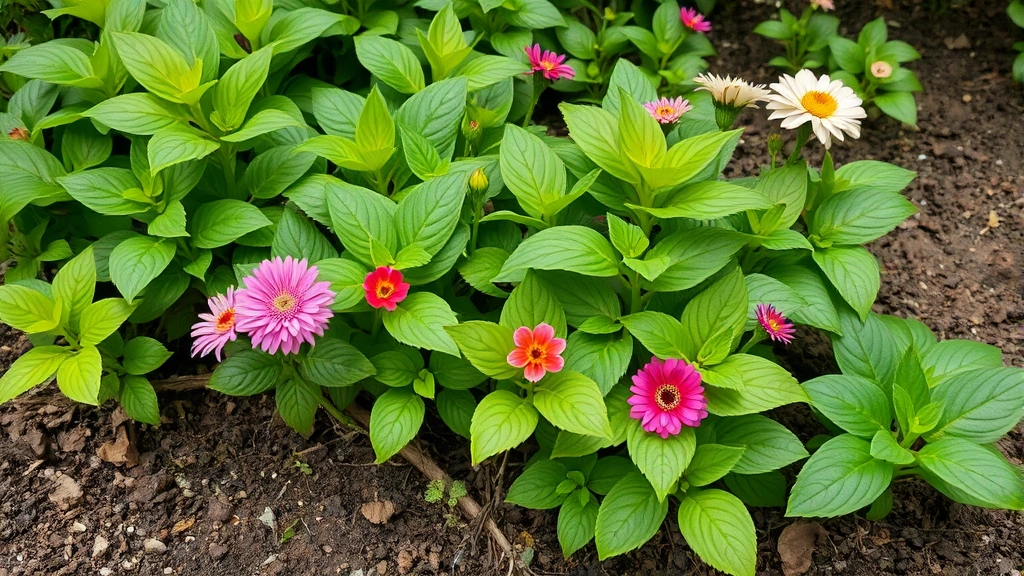
Nutrient Retention: Clay’s Hidden Superpower
While gardeners often fixate on clay’s drainage challenges, they frequently overlook its extraordinary nutrient-holding capacity. Clay minerals—primarily montmorillonite, illite, and kaolinite—possess chemical properties that bind essential nutrients including potassium, calcium, magnesium, and ammonium ions. This binding occurs through electrostatic attraction, creating a nutrient reservoir that remains available to plant roots through a process called cation exchange.
The practical implication is profound: plants grown in clay require fewer fertilizer applications compared to sandy soils, where nutrients leach away with each watering. Research from Soil Biology and Biochemistry demonstrates that clay soils maintain 60-80% of applied nutrients, while sandy soils retain only 20-40%. This efficiency aligns with the principle of optimization through understanding your tools—clay soil is inherently efficient; you simply need to work with its properties.
Microbial activity in clay soils also proves superior due to enhanced moisture retention and nutrient availability. Beneficial bacteria and fungi thrive in clay’s stable environment, creating complex soil ecosystems that improve nutrient cycling and plant immunity. This biological richness means that clay soils, when properly amended, develop self-sustaining nutrient cycles requiring minimal external intervention over time.

Water Management Challenges and Solutions
The primary challenge with clay soil revolves around water management. Clay’s minute particle size creates capillary spaces that hold water tenaciously, often resulting in waterlogging that suffocates plant roots and promotes fungal diseases. Conversely, when clay dries, it shrinks and hardens into an impermeable crust that prevents water infiltration and root expansion. This paradox—simultaneously too wet and too dry—frustrates countless gardeners.
Expert solutions center on improving soil structure rather than replacing clay entirely. The most effective approach involves incorporating organic matter, which fundamentally transforms clay’s physical properties. Compost, aged manure, peat moss, and coconut coir create binding networks that reduce clay’s density while maintaining its nutrient-retention advantages. Research indicates that adding 2-3 inches of quality compost annually increases clay soil’s infiltration rate by 200-400% within two seasons.
Raised beds represent an alternative strategy, particularly for vegetable gardens and ornamental plantings. By elevating planting areas 6-12 inches above native clay, you create superior drainage while leveraging clay’s nutrient profile beneath imported soil amendments. Many gardeners discover that a hybrid approach—combining modest clay incorporation with quality topsoil and compost—delivers optimal results without complete soil replacement.
Drainage infrastructure proves equally important. Installing French drains, creating swales, or implementing permeable hardscaping redirects surface water away from planting zones, preventing the waterlogging that transforms clay’s advantages into liabilities. These structural modifications, combined with organic matter amendment, create the conditions where clay’s nutrient-holding capacity flourishes without its drainage drawbacks.
Soil Amendment Strategies for Optimal Growth
Strategic amendment represents the cornerstone of clay soil success. Rather than viewing amendment as a temporary fix, recognize it as an ongoing practice that gradually transforms your soil’s biological and physical properties. The most effective amendments share specific characteristics: they improve drainage, increase organic matter content, and enhance microbial activity.
Organic matter remains the gold standard. Compost adds stable carbon compounds that bind clay particles into larger aggregates, creating air pockets while maintaining nutrient availability. Unlike sand—which some gardeners mistakenly add—compost actually improves clay’s structure rather than merely diluting it. Quality compost contains beneficial microorganisms, humic acids, and partially decomposed plant material that continue benefiting your soil for years.
The amendment timeline matters significantly. Rather than attempting to transform clay in a single season, implement a multi-year strategy. Year one involves adding 2-3 inches of compost and incorporating it 6-8 inches deep. Subsequent years require 1-2 inches of annual compost addition as a mulch layer, which gradually works into the soil through natural decomposition. This patient approach, aligned with the principle of setting sustainable goals, produces superior long-term results compared to dramatic single interventions.
Specific amendments serve targeted purposes. Perlite and vermiculite improve aeration but require frequent reapplication. Peat moss (or sustainable alternatives like coconut coir) increases water-holding capacity while improving structure. Aged manure adds nutrients alongside organic matter. Gypsum can help break clay compaction without raising soil pH—unlike lime, which permanently alters soil chemistry. The most successful gardeners combine multiple amendments based on their specific soil test results and plant requirements.
Plant Selection for Clay Environments
Understanding which plants thrive naturally in clay conditions represents a pragmatic approach to gardening success. Rather than forcing unsuitable plants into marginal conditions, selecting clay-adapted species ensures vigorous growth and reduced maintenance requirements. This aligns with the broader principle of working with your strengths rather than fighting your nature.
Many desirable ornamental plants evolved in clay-rich environments and possess root systems specifically adapted to clay conditions. Hydrangeas, coneflowers, daylilies, black-eyed Susans, and ornamental grasses thrive in clay soils with minimal amendment. Trees including oak, ash, maple, and dogwood develop exceptional vigor in clay compared to their performance in sandy soils. Shrubs like viburnum, serviceberry, and chokecherry represent clay-native selections that require less intensive management.
Vegetable gardens in clay benefit from crop selection aligned with soil conditions. Root crops including carrots, parsnips, and beets perform adequately in amended clay, though they develop better in looser soils. Leafy greens, beans, and peas thrive in clay’s nutrient-rich environment once drainage improves. The most successful clay gardeners focus on crops matching their soil’s inherent properties rather than struggling against them.
Perennial selections prove superior to annuals in clay environments. Once established, perennials develop deep root systems that access nutrients clay holds so effectively. This long-term establishment perspective mirrors the comprehensive approach to personal development that yields compounding benefits over years rather than seeking quick transformations.
Seasonal Clay Soil Management
Seasonal variations dramatically affect clay soil conditions, requiring adapted management strategies throughout the year. Spring presents the most critical period: clay remains cold and wet from winter precipitation, delaying planting and creating disease risk. Avoid working clay soil when wet—this causes compaction that negates years of amendment efforts. Wait until soil crumbles easily in your hand before tilling or digging.
Summer management focuses on moisture consistency. While clay’s water-holding capacity prevents drought stress, it simultaneously creates waterlogging risks during heavy rainfall. Mulching heavily (3-4 inches) moderates temperature fluctuations and reduces surface evaporation, maintaining the consistent moisture that clay-adapted plants prefer. This mulch layer gradually decomposes, adding organic matter and improving structure.
Fall represents the optimal amendment season. Adding compost and organic matter in autumn allows winter freeze-thaw cycles to further break clay particles and incorporate amendments. Spring planting then benefits from these winter modifications. Fall also proves ideal for planting perennials and trees, as clay’s moisture retention supports establishment during the dormant season.
Winter management involves protecting clay soil structure. Avoid foot traffic on clay soils when frozen or waterlogged, as this causes compaction damage lasting years. Consider cover cropping with winter legumes or grains, which add nitrogen and organic matter while preventing erosion and maintaining soil structure through their root systems.
Frequently Asked Questions
Can clay soil really support healthy plant growth?
Absolutely. Clay soil’s nutrient-holding capacity often exceeds loamy or sandy alternatives. The challenge lies not in clay’s inability to support growth but in managing its water retention and compaction tendencies. With proper amendment and plant selection, clay soils produce thriving, vigorous plants.
How much compost should I add to clay soil annually?
Aim for 1-2 inches of quality compost applied as mulch each year. In the first year of amendment, incorporate 2-3 inches at 6-8 inches depth. This patient, sustained approach proves more effective than attempting massive single-season transformations.
Should I add sand to clay soil?
No. Adding sand to clay creates a concrete-like mixture unless you maintain a precise ratio (uncommon in practice). Compost and aged organic matter prove superior because they improve clay’s structure while maintaining nutrient availability.
What’s the best time to amend clay soil?
Fall provides optimal conditions. Winter freeze-thaw cycles further improve amendment incorporation. Spring amendments work adequately but offer less time for integration before planting season.
Can I grow vegetables successfully in clay?
Yes, with strategic amendment and plant selection. Leafy greens, beans, and peas thrive in amended clay. Root crops develop adequately in loosened clay but produce better shapes in sandier soils. Focus on crops matching your soil’s natural properties.
How do I know if my soil is truly clay?
Perform the jar test: fill a jar halfway with soil, add water and dish soap, shake vigorously, and observe settling patterns. Sand settles first (bottom), silt settles second (middle), and clay settles last (top). Alternatively, request professional soil testing through your local extension service.


