
Can Clay Improve Plant Growth? Gardener Insights & Science-Backed Evidence
Whether you’re a seasoned gardener or just beginning your personal growth journey through cultivation, understanding soil composition fundamentally changes how you approach plant care. Clay soil presents a paradox that confuses many gardeners: it can be both a blessing and a curse. This comprehensive guide explores the nuanced relationship between clay and plant growth, drawing from horticultural science and practical gardening experience.
The question of whether clay improves plant growth isn’t simply answered with yes or no. Instead, it depends on clay percentage, amendment strategies, plant selection, and your willingness to work with this unique soil type. Many gardeners dismiss clay as unsuitable for gardening, yet experienced cultivators recognize its potential when properly managed. Just as personal development requires understanding your strengths and limitations, successful gardening with clay demands knowledge and adaptation.
Understanding Clay Soil Composition
Clay consists of mineral particles smaller than 0.002 millimeters, making it the finest soil component. These microscopic particles create a dense structure with significant advantages and challenges. Unlike sand, which drains rapidly, or silt, which balances between retention and drainage, clay particles pack tightly together, creating surface area that holds nutrients and water remarkably well.
The mineral composition of clay includes silicates, which provide structural stability and nutrient-holding capacity. According to research published by the Soil Science Society of America, clay soils contain approximately 40-50% more exchangeable cations (nutrient particles) than sandy soils. This means clay naturally holds more nutrients available for plant uptake, which represents a significant advantage when managed properly.
However, clay’s particle density creates compaction issues. When clay soil becomes compacted, it restricts oxygen flow to plant roots and limits water infiltration. The key to success involves balancing clay’s nutrient-holding benefits against its compaction tendencies. Understanding this fundamental principle helps gardeners approach clay as an opportunity rather than an obstacle, similar to how adopting a growth mindset transforms challenges into learning opportunities.
How Clay Affects Plant Root Development
Root penetration in clay soil presents the primary challenge for plant growth. While clay’s density provides stability, it simultaneously creates resistance that young root systems struggle to penetrate. A study from the National Center for Biotechnology Information demonstrated that roots in clay-dominant soils require 30-40% more energy to expand compared to well-amended soils.
Plants respond to clay compaction through morphological adaptation. Root systems become shallower and more fibrous rather than developing deep taproots. This adaptation, while enabling survival, limits plants’ access to deeper moisture reserves during drought periods. Additionally, shallow root systems provide less structural support, making plants more susceptible to wind damage.
The relationship between clay density and mycorrhizal fungi colonization significantly impacts nutrient uptake. These beneficial fungi form symbiotic relationships with plant roots, extending their reach through soil. Clay’s structure can both enhance and inhibit these relationships depending on soil moisture and aeration levels.
Water Retention and Drainage Issues
Clay’s water-holding capacity represents perhaps its most misunderstood characteristic. While clay retains more water than other soil types, this doesn’t necessarily benefit plants. The distinction lies between water availability and water saturation. Clay holds water in micropores so tightly that plants cannot extract it, a phenomenon called “hygroscopic water.”
When clay soils become waterlogged, oxygen availability drops critically. Plant roots require aerobic conditions to function properly. Anaerobic conditions lead to root rot, fungal diseases, and nutrient toxicity from reduced iron and manganese compounds. Paradoxically, clay soils that drain poorly can simultaneously cause both flooding and drought stress in different seasons.
Seasonal clay behavior creates additional complications. During wet seasons, clay remains saturated for extended periods. During dry seasons, clay contracts dramatically, creating large cracks and air pockets that expose roots to desiccation. This extreme fluctuation stresses plants considerably, making consistent growth difficult without intervention.
Proper drainage improvement requires understanding water movement through soil. Adding organic matter increases soil aggregation, creating larger pores that improve drainage while maintaining adequate water availability. This represents a foundational strategy for successful clay gardening, enabling the growth strategies that help plants thrive.
Nutrient Availability in Clay Soils
Clay’s nutrient-holding capacity stems from its cation exchange capacity (CEC), a measure of how many nutrient ions soil can retain. High-CEC clay soils hold nutrients like potassium, calcium, magnesium, and ammonium effectively, preventing leaching that occurs in sandy soils. This characteristic provides significant advantages in nutrient management.
However, nutrient availability doesn’t equal nutrient accessibility. High clay content can lock nutrients in forms plants cannot absorb. Soil pH, microbial activity, and organic matter content all influence whether held nutrients become available to plant roots. Research from Plant Physiology journal indicates that microbial communities in clay soils require specific conditions to mobilize locked nutrients effectively.
The iron and manganese dynamics in clay warrant particular attention. These elements, while essential in small quantities, become toxic when anaerobic conditions reduce them to more soluble forms. Clay’s poor drainage promotes anaerobic conditions, potentially creating nutrient toxicity rather than deficiency. This represents a critical consideration when diagnosing plant health issues in clay gardens.
Addressing nutrient availability requires a multi-faceted approach. Incorporating organic matter, improving drainage, adjusting pH, and using appropriate fertilization strategies all contribute to maximizing nutrient availability in clay soils. This integrated approach mirrors the comprehensive strategies discussed in our motivation guide, where multiple factors combine for success.
Improving Clay for Optimal Growth
Successful clay gardening begins with honest assessment. Conduct a simple jar test: fill a glass with soil and water, shake vigorously, and observe settling patterns. Sand settles first (heavy), then silt (medium), then clay (fine particles remain suspended longest). This visual demonstration reveals your soil’s clay percentage, informing your amendment strategy.
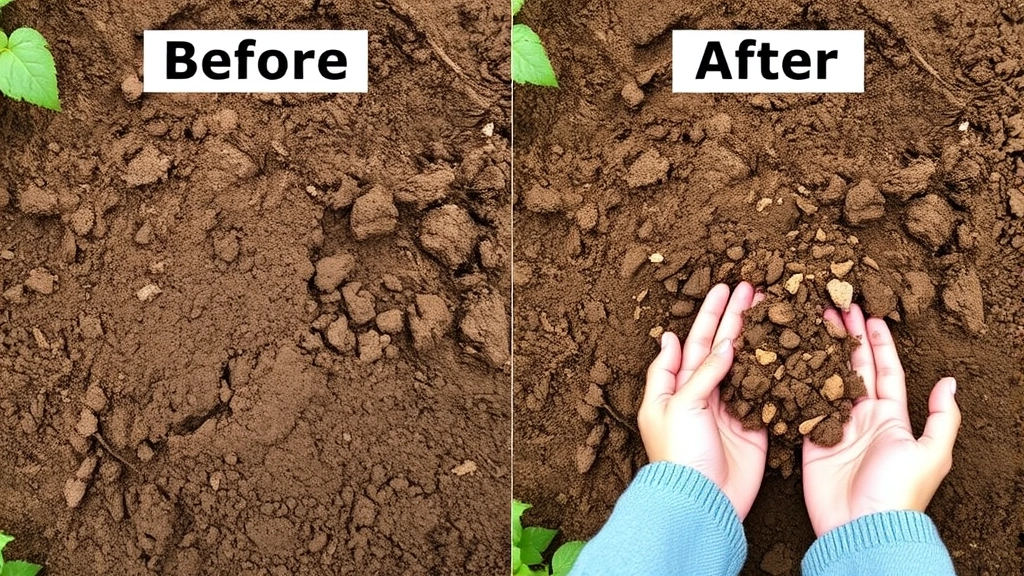
Organic matter represents the most transformative amendment for clay improvement. Compost, aged manure, leaf mold, and other organic materials improve clay structure through several mechanisms. Organic compounds bind clay particles into aggregates, creating stable pore spaces that improve both drainage and water availability. Additionally, organic matter feeds microbial communities that further improve soil structure through biological processes.
The transformation doesn’t occur overnight. Expect 2-3 years of consistent organic matter addition before experiencing dramatic improvements. Adding 2-3 inches of quality compost annually, worked into the top 6-8 inches of soil, provides sufficient organic matter to gradually transform clay. This patient, consistent approach aligns with the growth academy philosophy of steady improvement.
Raised beds represent an alternative strategy for immediate clay management. By creating growing environments above native clay soil, gardeners can use optimized soil mixes while native clay gradually improves beneath. This approach provides immediate growing success while working toward long-term soil transformation.
Gypsum application addresses specific clay issues related to sodium accumulation, though it shouldn’t be applied universally. Lime improves clay structure while raising pH in acidic clay soils. Sulfur lowers pH in alkaline clay conditions. These amendments require soil testing to apply appropriately, preventing unintended consequences.
Best Plants for Clay Environments
Certain plants thrive naturally in clay-rich environments, having evolved to manage clay’s challenges. Rather than fighting your soil’s nature, consider selecting plants suited to clay conditions. This practical approach acknowledges that successful gardening requires working with rather than against environmental realities.
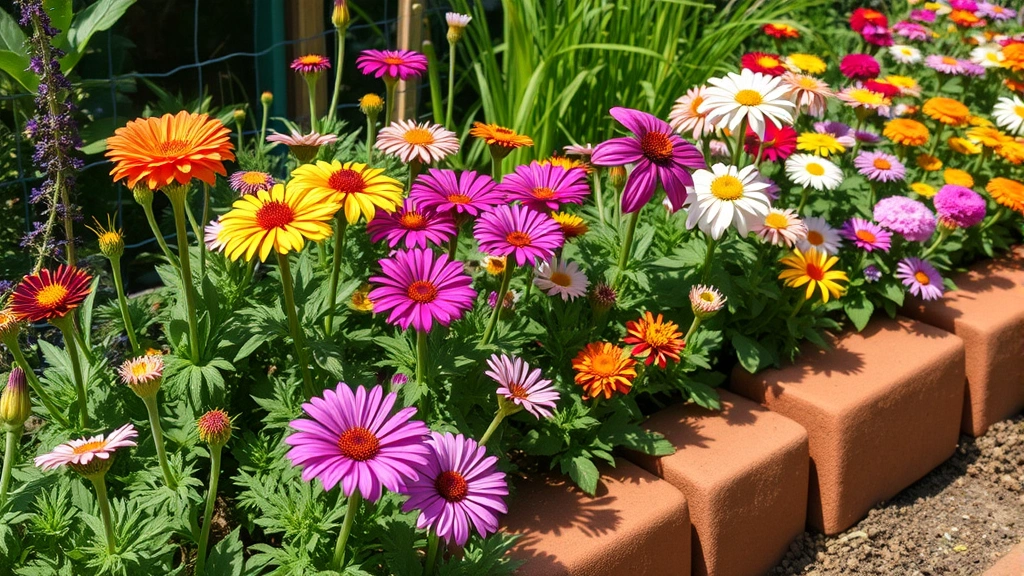
Perennials particularly suited to clay include Black-eyed Susans, Coneflowers, Bee Balm, Daylilies, and Russian Sage. These plants develop robust root systems capable of penetrating clay while tolerating periodic moisture fluctuations. Native plants in your region have particularly strong clay tolerance, having adapted to local soil conditions over millennia.
Trees and shrubs for clay gardens include Red Maple, Sweetbay Magnolia, Serviceberry, and Viburnum species. These woody plants develop deeper root systems over time, eventually reaching more favorable soil conditions beneath dense clay layers. They provide structural elements to gardens while gradually improving soil through root penetration and organic matter accumulation.
Vegetables present more challenges in clay, though success remains possible with proper amendment. Leafy greens tolerate clay better than root vegetables. Squash and beans, with their vigorous growth habits, can overcome clay challenges. Focus on short-season varieties that mature before seasonal clay waterlogging issues peak.
Avoiding plants poorly suited to clay prevents frustration and wasted resources. Blueberries, azaleas, and other acid-loving plants struggle in many clay soils. Mediterranean herbs like lavender and rosemary prefer well-draining conditions. Recognizing these incompatibilities represents wisdom, not defeat, directing energy toward more promising endeavors.
Common Clay Gardening Mistakes
Tilling clay when wet represents the most damaging mistake clay gardeners make. Working wet clay destroys structure irreversibly, creating brick-like hardpan that requires years to recover. Test soil moisture before working: squeeze a handful—if it forms a tight ball, it’s too wet. Wait until soil crumbles when squeezed.
Over-amending with sand creates another common problem. Adding sand without sufficient organic matter creates concrete-like consistency worse than original clay. The ratio matters: typically require 50% organic matter with any sand additions to achieve desired texture. Many experienced gardeners skip sand entirely, focusing exclusively on organic matter.
Neglecting drainage infrastructure limits improvement potential. Even well-amended clay benefits from drainage systems. French drains, rain gardens, and surface grading direct excess water away from planting areas, preventing seasonal waterlogging. This infrastructure investment pays dividends through improved plant health and reduced disease pressure.
Expecting immediate results creates frustration leading to abandonment. Clay improvement requires patience and consistency. Gardeners switching from ideal soil to clay often quit after one disappointing season. Understanding that soil transformation requires years helps maintain realistic expectations and sustained effort, much like the business growth strategies requiring sustained commitment.
Ignoring pH testing prevents optimization of nutrient availability. Clay soils vary considerably in pH, from acidic to highly alkaline. Nutrient availability depends critically on pH. Testing reveals your specific conditions, enabling targeted amendments rather than generic approaches. Most cooperative extension services provide affordable soil testing services.
FAQ
Is clay soil good or bad for plants?
Clay presents both advantages and challenges. Its high nutrient-holding capacity and water retention benefit plants, while its compaction tendency and poor drainage create difficulties. Success depends on management strategies rather than clay being inherently good or bad. Most plants thrive in clay when properly amended and drained.
How much organic matter should I add to clay soil?
Add 2-3 inches of quality compost annually, working it into the top 6-8 inches of soil. This rate provides sufficient organic matter for gradual improvement without overwhelming the system. Consistency matters more than quantity—annual additions over years produce better results than single large additions.
Can I grow vegetables in clay soil?
Yes, though vegetables require more preparation than perennials. Raised beds with optimized soil mixtures provide the most reliable approach for vegetable gardening in clay. Alternatively, amend native clay heavily with organic matter and focus on vegetables tolerant of heavier soils like leafy greens and squash.
How long does clay soil improvement take?
Expect 2-3 years of consistent amendment before experiencing dramatic improvements. Some benefits appear within the first year, but full transformation requires patience. Meanwhile, selecting clay-tolerant plants and using raised beds enables successful gardening while soil improvement progresses.
Should I add sand to clay soil?
Adding sand without substantial organic matter creates worse conditions than original clay. If incorporating sand, maintain at least a 50:50 ratio with organic matter, though many experts recommend focusing exclusively on organic matter addition. Organic matter alone improves clay more effectively than sand combinations.
What causes clay soil compaction?
Walking on wet clay, tilling when soil is too moist, and heavy equipment traffic all cause compaction. Additionally, naturally occurring clay consolidation under its own weight creates density. Preventing new compaction involves avoiding clay work when wet, while improving existing compaction requires organic matter addition and aeration techniques.


