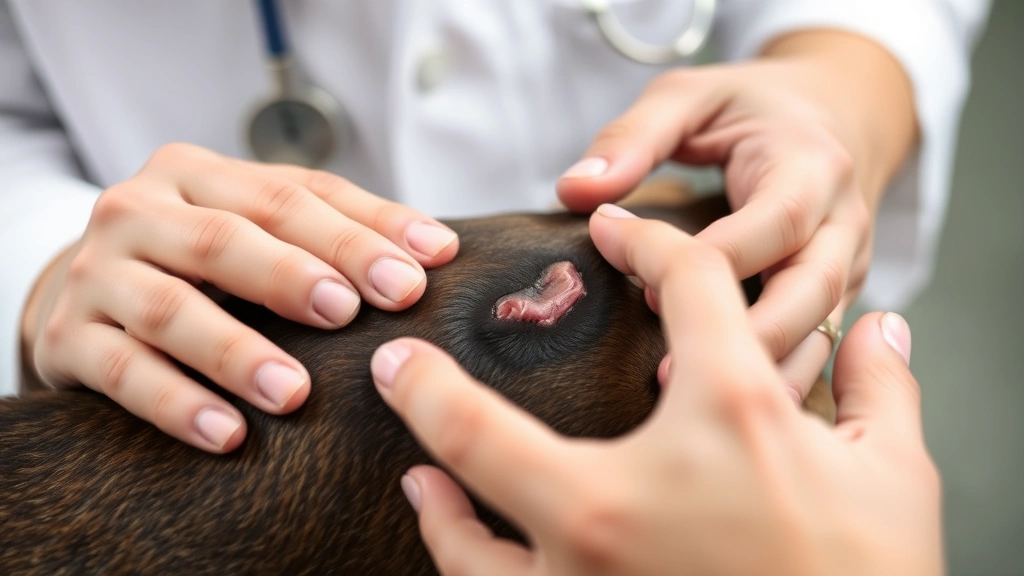
Understanding Black Growths on Dogs: Vet Insights and What Pet Owners Need to Know
Discovering a black growth on your dog’s skin can be alarming for any pet owner. These dark lesions, bumps, or patches may appear suddenly or develop gradually, raising immediate concerns about your dog’s health and wellbeing. Understanding what causes these growths, how veterinarians diagnose them, and what treatment options exist can help you make informed decisions about your dog’s care.
Black growths on dogs can range from benign skin conditions to more serious concerns requiring immediate veterinary attention. The color, size, texture, and location of the growth all play crucial roles in determining its nature. This comprehensive guide explores the various types of black growths veterinarians encounter, diagnostic procedures, and evidence-based treatment approaches that can help your furry companion stay healthy and comfortable.

Common Types of Black Growths in Dogs
Black growths on dogs manifest in various forms, each with distinct characteristics that help veterinarians identify their nature. Melanoma represents one of the most concerning types, appearing as dark, irregular masses that may be flat or raised. These growths can develop on the skin, in the mouth, or in the eye, with oral melanomas being particularly aggressive in canines.
Sebaceous gland tumors are among the most common skin growths in older dogs, often appearing as dark, waxy, or greasy bumps. These typically grow slowly and remain localized, though they require monitoring. Lipomas, which are benign fatty tumors, may appear dark due to overlying skin pigmentation or hair color, particularly in dogs with darker coats.
Moles and warts frequently develop on dogs’ skin, especially as they age. These growths are usually benign but should be monitored for changes in size, shape, or appearance. Histiocytomas, common in younger dogs, present as firm, raised bumps that may be dark or reddish and often regress spontaneously over time.
Pigmented skin tags and keratosis growths also appear black or dark brown in many dogs, particularly those with darker pigmentation. Understanding these distinctions helps pet owners communicate effectively with their veterinarian and reduces unnecessary anxiety about findings that may be completely harmless.

Benign Skin Conditions
Many black growths on dogs are entirely benign and pose no health risk. These conditions, while requiring observation, typically don’t necessitate aggressive treatment unless they interfere with your dog’s comfort or mobility. Age spots or lentigos are common in senior dogs, appearing as small dark patches on areas with less hair coverage, particularly on the nose, lips, and inner ear flaps.
Seborrheic keratosis develops frequently in middle-aged and older dogs, creating dark, scaly, or slightly raised growths that resemble warts but are completely harmless. These growths may become irritated if your dog licks or scratches them excessively, but they don’t transform into malignant conditions.
Dermatofibrosarcoma and other fibrous tumors may appear dark depending on overlying skin pigmentation. While these are generally slow-growing, your veterinarian should monitor them regularly to ensure they aren’t changing in concerning ways. Nevi, the canine equivalent of human moles, are typically benign and require monitoring only for obvious changes.
Black skin tags develop commonly in dogs, particularly in skin folds or areas of friction. These small, dangling growths are harmless but may need removal if they become irritated or infected due to constant licking or rubbing. Understanding that many growths are benign can significantly reduce pet owner anxiety while maintaining appropriate vigilance for any changes requiring veterinary attention.
Potentially Serious Growths
While many black growths are benign, certain types require prompt veterinary evaluation and potentially aggressive treatment. Melanoma remains the most serious consideration, as canine melanomas are typically more aggressive than their human counterparts. These growths often metastasize to lymph nodes and distant organs, making early detection critical for improved outcomes.
Oral melanomas particularly concern veterinarians due to their aggressive nature and poor prognosis if not caught early. Dogs may not show obvious symptoms until the tumor has advanced significantly, making regular mouth inspections essential. Mast cell tumors may appear dark and can vary dramatically in their behavior, from slow-growing benign lesions to rapidly progressive cancers requiring immediate intervention.
Squamous cell carcinoma and other skin cancers can present as dark, irregular growths, particularly on areas exposed to sun damage. These malignancies typically grow more aggressively than benign conditions and require surgical removal and possibly additional treatments like radiation or chemotherapy. Hemangiosarcoma, while often appearing as dark nodules, represents an aggressive vascular tumor requiring immediate veterinary care.
Sarcomas and other soft tissue tumors may develop as dark masses beneath the skin or within deeper tissues. These growths often grow faster than benign conditions and may cause pain, lameness, or other functional problems. The key distinction between benign and potentially serious growths often requires professional diagnostic testing rather than visual inspection alone.
Diagnostic Methods Veterinarians Use
Veterinarians employ multiple diagnostic approaches to accurately identify black growths and determine appropriate treatment strategies. Physical examination forms the foundation of diagnosis, with veterinarians assessing the growth’s size, shape, texture, attachment to underlying tissues, and any associated pain or inflammation. The location of the growth provides important diagnostic clues, as certain growths favor specific body areas.
Cytology, involving needle aspiration or impression smears examined under a microscope, offers quick preliminary information about cell types present in the growth. This non-invasive technique helps veterinarians determine whether further testing is necessary and can sometimes provide definitive diagnosis for specific conditions.
Biopsy and histopathology represent the gold standard for identifying growths accurately. A tissue sample is removed surgically or via needle biopsy and examined microscopically by a veterinary pathologist who identifies the exact cell types and growth characteristics. This process determines whether a growth is benign or malignant and guides treatment decisions.
Imaging studies including ultrasound, radiographs, and CT scans help veterinarians assess the growth’s depth, involvement with surrounding tissues, and whether it has metastasized to lymph nodes or distant organs. Veterinary Cancer Society resources provide extensive information on staging procedures for suspected malignancies.
Genetic testing for certain tumor types may be recommended in specific cases, helping predict behavior and guide treatment selection. Blood work and other laboratory tests assess your dog’s overall health status and ability to tolerate potential treatments, whether surgical, chemical, or radiation-based.
When to Seek Immediate Veterinary Care
Certain characteristics of black growths warrant urgent veterinary evaluation rather than waiting for a routine appointment. Rapid growth, where a lesion noticeably enlarges over days or weeks, suggests a more aggressive process requiring prompt assessment. Similarly, growths that change appearance suddenly, develop inflammation, or begin bleeding need immediate attention.
Oral growths deserve particular attention, as they often indicate more aggressive tumors and may interfere with eating or breathing if left untreated. Bad breath, excessive drooling, or difficulty eating accompanying an oral growth indicates urgent need for veterinary care. Growths in sensitive areas like around the eyes, ears, or genitals may cause pain or functional problems even if benign and warrant evaluation.
Signs of infection including redness, warmth, swelling, or discharge from a growth require veterinary attention to prevent complications. Multiple new growths appearing simultaneously or in rapid succession suggest systemic conditions requiring investigation. If your dog shows lethargy, appetite loss, or other systemic symptoms alongside a new growth, this indicates more serious disease warranting urgent evaluation.
Any growth that causes your dog pain, itching, or behavioral changes should be evaluated promptly. Similarly, growths that interfere with mobility, normal bodily functions, or quality of life require veterinary assessment regardless of whether they appear benign. When in doubt, contacting your veterinarian for guidance ensures appropriate triage and prevents delay in treating potentially serious conditions.
Treatment Options and Management
Surgical removal represents the primary treatment for most black growths, whether benign or malignant. For benign lesions causing no problems, surgery may not be necessary, but most veterinarians recommend removal of potentially malignant growths with wide margins to ensure complete elimination. The specific surgical approach depends on the growth’s location, size, and involvement with surrounding tissues.
Chemotherapy may be recommended following surgical removal of malignant tumors, particularly melanomas with evidence of spread or aggressive characteristics. Various chemotherapy protocols have shown effectiveness in extending survival times for dogs with certain cancers, though quality of life considerations remain paramount in treatment decisions.
Radiation therapy offers another treatment option for certain growths, either as primary treatment or in combination with surgery and chemotherapy. Veterinary oncology centers provide radiation therapy services, which can be particularly effective for oral melanomas and other tumors in specific locations. The American Veterinary Medical Association provides resources on finding board-certified veterinary oncologists.
Immunotherapy and newer treatment modalities show promise for certain canine cancers, with vaccines and targeted therapies becoming increasingly available. Discussing these cutting-edge options with a veterinary oncologist helps pet owners explore all available approaches for their dog’s specific situation.
Palliative care focuses on maintaining quality of life and managing pain when curative treatment isn’t pursued or has been exhausted. Pain management, nutritional support, and comfort measures allow dogs to enjoy their remaining time while minimizing suffering. This approach honors both the dog’s wellbeing and the owner’s emotional and financial considerations.
Prevention and Early Detection
While not all black growths can be prevented, certain measures reduce risk and enable early detection when growths do occur. Regular skin examinations at home allow you to detect new growths or changes in existing lesions early. Gently running your hands over your dog’s entire body weekly, paying special attention to areas with less hair coverage, helps identify changes requiring veterinary attention.
Sun protection reduces the risk of sun-induced skin cancers, particularly in dogs with light-colored coats or areas of sparse hair coverage. Limiting midday sun exposure, applying dog-safe sunscreen to vulnerable areas, and providing shade during outdoor activities contributes to skin cancer prevention.
Maintaining healthy weight and providing balanced nutrition supports overall health and immune function, potentially reducing cancer risk. Regular exercise, appropriate diet, and preventive healthcare measures including parasite control and vaccination support your dog’s overall wellbeing and disease resistance.
Regular veterinary checkups enable professional monitoring of your dog’s skin and detection of growths during early, more treatable stages. Senior dogs benefit particularly from twice-yearly veterinary visits, allowing earlier detection of age-related growths. During these visits, explicitly ask your veterinarian to examine your dog’s entire skin surface and mouth.
Prompt attention to changes in existing growths ensures that any concerning developments receive timely evaluation. Photographing growths periodically provides documentation of changes that might otherwise go unnoticed. Maintaining detailed records of when new growths appear and how they change helps your veterinarian assess their significance and urgency.
Understanding that personal growth in pet care knowledge empowers better health decisions, pet owners should educate themselves about their dog’s health risks and take proactive steps toward prevention and early detection. This vigilance, combined with regular veterinary care, offers the best chance of identifying and treating serious conditions before they progress.
FAQ
What does a cancerous growth look like on a dog?
Malignant growths often appear as dark, irregularly shaped masses with poorly defined borders. They may grow rapidly, bleed easily, become infected, or change appearance noticeably over weeks. Oral melanomas may cause bad breath, excessive drooling, or difficulty eating. However, appearance alone cannot definitively determine whether a growth is cancerous—professional diagnosis requires biopsy and histopathology.
Should I have my dog’s black growth removed?
This depends on the growth’s nature, size, location, and your dog’s overall health. Benign growths causing no problems may not require removal, but most veterinarians recommend removing potentially malignant growths with wide surgical margins. Your veterinarian can assess whether removal is advisable based on diagnostic findings and your dog’s individual circumstances.
How much does it cost to remove a growth from a dog?
Costs vary significantly based on the growth’s size, location, complexity of surgical removal, and whether histopathology is performed. Simple removals may cost $200-$500, while more complex surgeries or those requiring advanced diagnostics and pathology can cost $1,000-$3,000 or more. Obtaining a detailed estimate from your veterinarian helps with financial planning.
Can dog skin growths be treated without surgery?
Some benign growths don’t require treatment, while malignant tumors typically benefit from surgical removal as primary therapy. Chemotherapy, radiation, immunotherapy, and other systemic treatments may be used alongside or instead of surgery depending on the growth’s type and stage. Your veterinarian or veterinary oncologist can discuss non-surgical options appropriate for your dog’s specific situation.
How quickly do dog melanomas grow?
Canine melanomas vary in growth rate, with some progressing slowly over months while others grow rapidly over weeks. Oral melanomas tend to be more aggressive than cutaneous melanomas. The growth rate partly depends on the tumor’s grade and stage, which your veterinarian determines through diagnostic testing. This information helps guide treatment urgency and prognosis discussions.
What is the prognosis for a dog with a black growth?
Prognosis depends entirely on the growth’s nature, stage, and whether it has metastasized. Benign growths carry an excellent prognosis with no impact on lifespan. Early-stage malignancies treated surgically may have survival times measured in years, while advanced cancers may carry months-long prognoses. Your veterinarian can provide specific prognosis information based on diagnostic findings.


