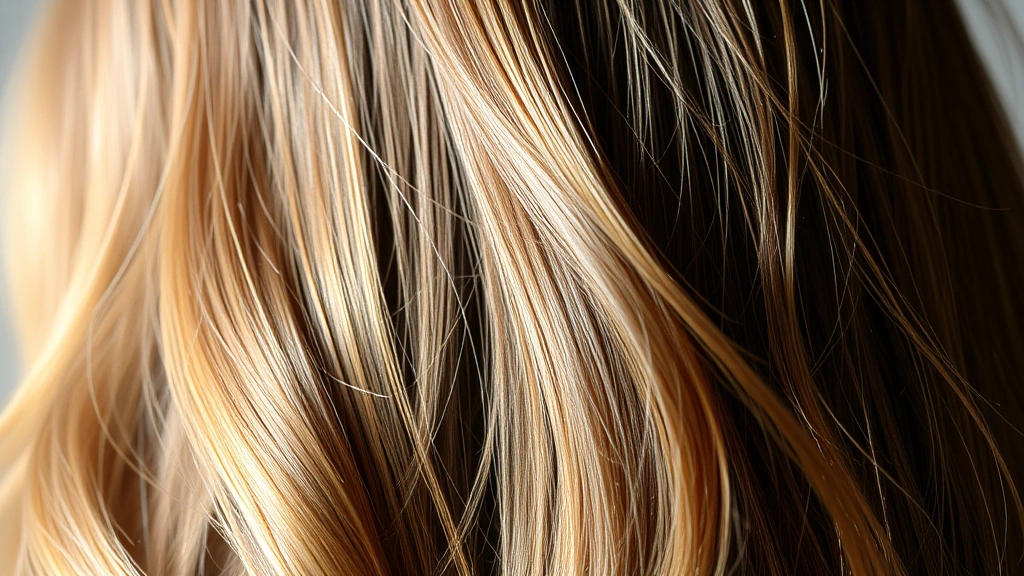
Top Hair Growth Tips: Dermatologist-Approved Products and Proven Strategies
Hair loss and thinning affect millions of people worldwide, impacting confidence and self-esteem. While genetics play a significant role in hair health, the right combination of dermatologist-approved products, lifestyle changes, and consistent care can dramatically improve hair growth and thickness. This comprehensive guide explores evidence-based strategies and the best shampoo and conditioner for hair growth, helping you make informed decisions about your hair care routine.
Your hair’s health reflects your overall wellness. Just as you invest in personal growth and self-improvement, dedicating time to understanding your hair’s needs is an investment in your appearance and confidence. The journey to healthier, fuller hair requires patience, consistency, and knowledge about which products actually work.
Understanding Hair Growth Biology
Before selecting the best shampoo and conditioner for hair growth, it’s essential to understand how hair grows. The hair growth cycle consists of three phases: anagen (growth phase), catagen (transition phase), and telogen (resting phase). Most scalp hairs spend 2-7 years in the growth phase, which is why results take time to manifest.
Hair follicles require specific nutrients and conditions to thrive. When follicles are undernourished or stressed, they enter the telogen phase prematurely, leading to increased shedding and thinning. Dermatologists emphasize that addressing hair loss requires a multi-faceted approach, combining topical treatments with internal nutrition and stress management.
The scalp’s health directly influences hair quality. A healthy scalp has balanced pH, adequate moisture, and good blood circulation. Using products specifically formulated for hair growth helps maintain these conditions, creating an optimal environment for follicles to produce strong, resilient strands.
Key Ingredients for Hair Growth
When evaluating the best shampoo and conditioner for hair growth, understanding key active ingredients is crucial. Biotin, also called vitamin B7, strengthens hair proteins and reduces breakage. Research published in the National Center for Biotechnology Information demonstrates biotin’s effectiveness in improving hair thickness and reducing shedding.
Niacinamide (vitamin B3) improves scalp blood flow and reduces inflammation, creating better conditions for hair growth. This ingredient is particularly beneficial for those with sensitive scalps or inflammatory conditions like seborrheic dermatitis.
Caffeine acts as a stimulant that increases blood flow to hair follicles and may extend the growth phase. Studies show caffeine-infused products can reduce hair loss and improve thickness when used consistently.
Keratin fills gaps in damaged hair cuticles, smoothing the hair shaft and reducing breakage. While it doesn’t promote new growth directly, it prevents loss of existing hair, which is equally important for achieving fuller-looking locks.
Saw Palmetto extract contains compounds that inhibit DHT (dihydrotestosterone), a hormone implicated in pattern baldness. This ingredient appeals to those seeking natural alternatives to synthetic growth promoters.
Panthenol (provitamin B5) penetrates the hair shaft, providing moisture and elasticity. It reduces breakage and improves hair manageability, making it a staple in quality hair growth products.
Best Shampoos for Hair Growth
Selecting the best shampoo for hair growth means finding formulas that cleanse without stripping natural oils while delivering growth-promoting ingredients. Here are dermatologist-recommended options:
- Biotin-Enriched Volumizing Shampoos: These cleanse gently while biotin strengthens hair proteins. They’re ideal for fine or thinning hair that needs volumizing benefits alongside growth support.
- Caffeine-Based Shampoos: Formulated with caffeine to stimulate follicles and improve scalp circulation, these work best when used consistently for at least three months.
- Keratin-Infused Formulas: Perfect for damaged or chemically-treated hair, these shampoos rebuild the hair structure while cleansing. They’re particularly effective when combined with matching conditioners.
- pH-Balanced Clarifying Shampoos: These remove product buildup that can suffocate follicles without harsh sulfates. Use weekly for optimal scalp health.
- Saw Palmetto Shampoos: Natural options for those concerned about DHT-related hair loss, these work best in combination with other growth strategies.
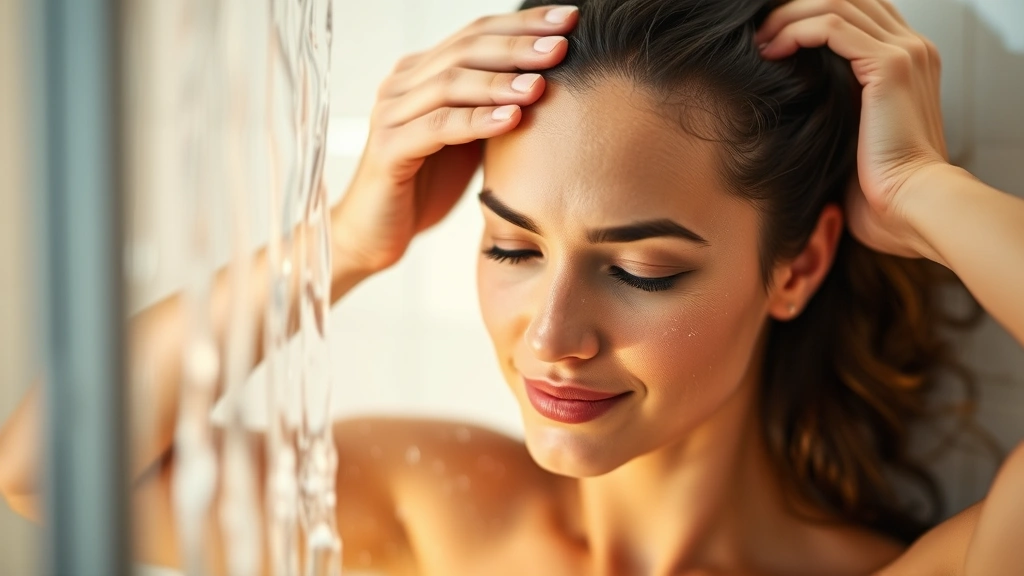
When using any shampoo for hair growth, massage the scalp gently for 2-3 minutes to increase blood flow. Avoid hot water, which can damage hair and strip oils; lukewarm water is ideal. Focus shampoo on the scalp and roots, not the ends of your hair.

Top Conditioners That Promote Hair Health
The best conditioner for hair growth complements your shampoo while providing deep nourishment. Quality conditioners are essential because they seal the hair cuticle, reduce breakage, and help maintain moisture balance. Here are top-performing options:
Protein-Rich Conditioners: These reconstruct damaged hair and strengthen the hair shaft. Keratin, collagen, and wheat protein are common powerhouse ingredients. Apply these to mid-lengths and ends, avoiding the scalp to prevent heaviness.
Moisture-Lock Conditioners: Formulated with humectants like glycerin and hyaluronic acid, these attract and retain moisture. They’re essential for dry or curly hair types prone to breakage.
Scalp-Focused Conditioners: Lighter formulas that won’t weigh down hair while treating the scalp. These often contain tea tree oil, salicylic acid, or zinc pyrithione to address scalp health issues that impede growth.
Leave-In Conditioners: These provide continuous nourishment without rinsing. They’re particularly effective for treating hair ends and can be applied daily without concern for product buildup.
Deep Conditioning Masks: Weekly treatments with concentrated nutrients penetrate deeply, repairing damage and strengthening hair. Use these once or twice weekly for maximum benefit.
Dermatologists recommend choosing a conditioner with ingredients matching your specific hair concerns. If you struggle with hair loss, prioritize products with growth-stimulating ingredients. For damaged hair, focus on protein and moisture content. The best approach combines a growth-promoting shampoo with a nourishing conditioner tailored to your hair type.
Complementary Hair Care Practices
While the best shampoo and conditioner for hair growth form the foundation of your routine, complementary practices amplify results. Think of this like your growth and transformation plan—multiple strategies working together create comprehensive improvement.
Scalp Massage: Performing 5-10 minute scalp massages three times weekly increases blood flow to hair follicles. Use your fingertips in circular motions, applying gentle pressure. Research from the Journal of Alternative and Complementary Medicine shows scalp massage can increase hair thickness over time.
Hair Growth Supplements: Oral biotin, collagen peptides, and marine collagen supplements support growth from within. These work synergistically with topical products for enhanced results.
Weekly Deep Treatments: Beyond regular conditioning, weekly masks or oils provide intensive nourishment. Argan oil, coconut oil, and jojoba oil penetrate the hair shaft, reducing breakage and improving shine.
Protective Styling: Minimize heat damage and mechanical stress by using protective hairstyles. Air-drying or using lower heat settings preserves hair integrity, allowing growth efforts to show results.
Regular Trims: Trimming every 6-8 weeks removes split ends before they travel up the hair shaft, causing breakage. This maintains the appearance of thickness while you grow new, healthy hair.
Silk Pillowcases: Switching from cotton to silk reduces friction during sleep, preventing breakage and frizz. This simple change supports all your other growth efforts.
Lifestyle Factors Affecting Hair Growth
Hair health extends beyond products. Just as increasing motivation requires holistic lifestyle changes, achieving optimal hair growth demands attention to overall wellness.
Nutrition and Diet: Hair follicles require specific nutrients: iron, zinc, B vitamins, vitamin D, and protein. Iron deficiency causes telogen effluvium (excessive shedding). Zinc deficiency impairs protein synthesis needed for hair growth. Ensure your diet includes leafy greens, legumes, eggs, fish, and nuts. Consider consulting a nutritionist if you suspect deficiencies.
Stress Management: Chronic stress triggers telogen effluvium and accelerates androgenetic alopecia (pattern baldness). Psychological research shows stress increases cortisol levels, which negatively impacts hair follicles. Implementing stress-reduction techniques—meditation, exercise, yoga—protects hair health. As you develop goal-setting strategies, include hair wellness in your personal development plan.
Sleep Quality: Hair growth accelerates during sleep when growth hormone peaks. Aim for 7-9 hours nightly. Poor sleep disrupts hormone balance and impairs the body’s ability to repair and regenerate hair.
Exercise and Circulation: Regular cardiovascular exercise improves blood flow throughout the body, including the scalp. Aim for 150 minutes of moderate exercise weekly to support hair health and overall wellness.
Hydration: Dehydration affects hair moisture content and scalp health. Drink adequate water daily—typically 8-10 glasses—to support all bodily functions including hair growth.
Limiting Alcohol and Smoking: Both substances impair nutrient absorption and increase oxidative stress, damaging hair follicles. Reducing or eliminating these habits supports hair recovery.
Combining the best shampoo and conditioner for hair growth with these lifestyle modifications creates a comprehensive approach. Consider using productivity tools to track your hair care routine, supplement intake, and lifestyle habits, ensuring consistency over the months required to see significant results.
According to research from Dermatology Today, the most successful hair growth outcomes combine topical treatments, oral supplements, lifestyle optimization, and professional treatments. Consistency matters more than perfection—maintaining your routine for 3-6 months allows new hair cycles to complete and results to become visible.
FAQ
How long does it take to see results from hair growth products?
Results typically appear after 3-4 months of consistent use. Hair growth cycles last 2-7 years, so patience is essential. Some people notice reduced shedding within 4-6 weeks, but visible thickness improvements require longer. Dermatologists recommend committing to a regimen for at least six months before evaluating effectiveness.
Can I use the best shampoo and conditioner for hair growth if I have color-treated hair?
Yes, many growth-promoting formulas are color-safe. Look for sulfate-free options, as sulfates strip color and damage hair. Protein-rich conditioners are particularly beneficial for color-treated hair, which is more susceptible to breakage. Apply growth products to clean, damp hair for optimal absorption.
Is biotin shampoo effective, or do I need oral biotin supplements?
Both forms offer benefits. Topical biotin in shampoos strengthens existing hair and reduces breakage. Oral biotin supplements support hair growth from within by providing the vitamin systemically. Using both together maximizes results, though oral biotin is particularly important if you have a deficiency.
What’s the difference between volumizing and growth-promoting shampoos?
Volumizing shampoos temporarily thicken hair through coating and lightweight formulas, making hair appear fuller immediately. Growth-promoting shampoos contain active ingredients that stimulate follicles and support new hair development over time. Ideally, choose a shampoo that does both for immediate cosmetic benefits and long-term growth support.
Can men and women use the same hair growth products?
Generally yes, though men with androgenetic alopecia may benefit from products containing saw palmetto or other DHT-blocking ingredients. Women experiencing hormonal hair loss may need different approaches. Dermatologists can recommend gender-specific formulations based on individual hair loss causes.
Should I use a growth conditioner on my scalp?
Most conditioners should be applied to mid-lengths and ends, not the scalp, as they can cause buildup and greasiness. However, scalp-specific conditioners designed for growth are lighter formulas safe for scalp application. Check product instructions to determine whether your conditioner is suitable for scalp use.
How does the best shampoo and conditioner for hair growth compare to prescription treatments?
Over-the-counter products support natural hair growth and prevent further loss through nourishment and stimulation. Prescription treatments like minoxidil (Rogaine) and finasteride (Propecia) are more aggressive interventions for significant hair loss. Many dermatologists recommend combining both approaches: prescription treatments for active hair loss plus quality shampoos and conditioners for overall scalp and hair health.


