

Top Eyelash Serums: Dermatologist’s Choice for Fuller, Healthier Lashes
Beautiful, voluminous eyelashes have become a cornerstone of modern beauty standards, yet many people struggle with thin, brittle, or sparse lashes. Whether due to genetics, aging, or environmental damage, eyelash concerns affect millions worldwide. The good news? Dermatologist-recommended eyelash serums have revolutionized how we approach lash care, offering scientifically-backed solutions that deliver measurable results without invasive procedures.
In this comprehensive guide, we’ll explore the top eyelash growth serums that dermatologists trust and recommend to their patients. We’ll examine the active ingredients that make these products effective, understand how they work at the cellular level, and help you choose the best option for your specific needs. Whether you’re looking to enhance naturally thin lashes or restore lash health after damage, this guide provides evidence-based recommendations grounded in dermatological expertise.

Understanding Eyelash Health and Growth
Your eyelashes serve a critical biological function: they protect your eyes from debris, dust, and environmental irritants while helping to regulate tear distribution. Each lash follicle operates on a growth cycle consisting of three phases: the anagen phase (active growth lasting 4-10 weeks), the catagen phase (transitional period), and the telogen phase (resting period before shedding). Unlike the hair on your scalp, eyelashes have a much shorter growth cycle, which is why they don’t grow indefinitely.
Healthy lashes require adequate nutrition, moisture, and protective care. Many factors compromise lash health, including excessive makeup application, harsh makeup removers, eyelash extensions, frequent use of mascara, and natural aging. When lashes become damaged or weakened, they break more easily, shed prematurely, and fail to reach their full growth potential. This is where targeted eyelash serums become invaluable—they nourish follicles, extend the growth phase, and strengthen individual lashes from root to tip.
Understanding that lash growth is cyclical helps explain why results from serums require patience. Most dermatologists emphasize that meaningful improvements typically take 6-12 weeks because you’re essentially waiting for new lashes to grow through a complete cycle while existing damaged lashes shed naturally.
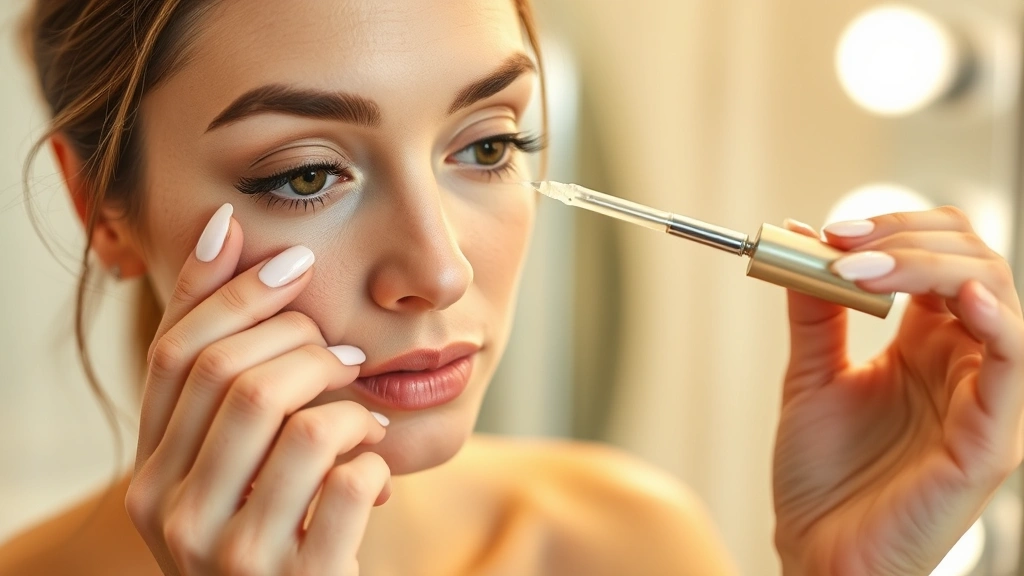
How Eyelash Serums Work: The Science Behind Results
The most effective eyelash serums operate through multiple mechanisms that work synergistically to promote growth and strengthen existing lashes. Research published in the Journal of Cosmetic Dermatology demonstrates that targeted peptides and botanical extracts can significantly influence lash thickness and growth duration.
Premium serums typically contain peptide complexes that communicate with lash follicles to extend the anagen (growth) phase. These peptides essentially send signals to hair follicles saying “keep growing.” Simultaneously, conditioning agents like panthenol and biotin penetrate the lash structure itself, improving elasticity and reducing breakage. Nourishing oils such as castor oil and argan oil provide essential fatty acids and vitamins that support follicle health and lash strength.
Many dermatologist-recommended formulas also include growth factors derived from plant sources or laboratory synthesis. These compounds mimic natural growth hormones, encouraging follicle cells to remain active longer. Some advanced serums incorporate hyaluronic acid for hydration and antioxidants to protect lashes from oxidative stress caused by environmental pollutants and makeup residue.
The application method matters significantly. When you apply serum directly to the lash line, the formula comes into contact with the follicle base where growth originates. This targeted delivery ensures active ingredients reach the source of growth rather than merely coating existing lashes.
Top Dermatologist-Recommended Eyelash Serums
RevitaLash Advanced remains the gold standard in dermatology offices worldwide. This prescription-strength formula contains bimatoprost, a prostaglandin analog that extends the growth phase and increases lash thickness and pigmentation. Dermatologists consistently recommend this serum because it delivers clinically proven results—studies show 25% increase in lash length and 18% increase in thickness within 16 weeks. However, it requires a prescription and may cause temporary eye irritation during the adjustment period.
For those seeking over-the-counter alternatives, The Ordinary Multi-Peptide Lash and Brow Serum offers an accessible, evidence-based option. This affordable serum combines peptide complexes with hyaluronic acid and delivers noticeable results within 8-12 weeks. Dermatologists appreciate its transparent ingredient list and minimal side effect profile, making it suitable for sensitive eyes.
Another dermatologist favorite is Lashify Control Kit, which combines a conditioning serum with lash extensions for immediate cosmetic impact while promoting underlying lash health. The serum component contains peptides and plant-derived growth factors that continue working even when you’re not wearing the extensions.
For budget-conscious consumers, Castor Oil-Based Serums receive dermatological endorsement despite their simplicity. Pure, cold-pressed castor oil contains ricinoleic acid and oleic acid that nourish follicles and strengthen lashes. While results develop more slowly than prescription formulas, many dermatologists recommend castor oil as an effective maintenance treatment between professional treatments.
RapidBrow represents the middle ground—a non-prescription serum containing peptides and conditioning agents that delivers results comparable to mid-range professional products. Dermatologists often recommend this for patients wanting proven efficacy without prescription requirements or significant expense.
Much like how choosing the best hair growth shampoo requires understanding your specific hair type, selecting the optimal eyelash serum depends on your individual needs, sensitivity level, and desired timeline for results.
Key Ingredients That Deliver Measurable Results
Understanding what makes eyelash serums effective helps you evaluate products and set realistic expectations. Peptides represent the cornerstone ingredient in most dermatologist-recommended formulas. These amino acid chains signal hair follicles to extend their growth phase and increase protein synthesis. Common peptides include Matrixyl 3000 and Argireline, both proven in peer-reviewed studies to promote hair growth.
Biotin, also called Vitamin B7, strengthens the keratin structure of lashes, reducing breakage and brittleness. Dermatologists often recommend biotin supplements alongside topical serums for comprehensive internal and external support. Research from the International Journal of Trichology confirms biotin’s role in improving hair strength and elasticity.
Panthenol (provitamin B5) penetrates the lash structure to hydrate and condition from within. This ingredient is particularly valuable for lashes damaged by mascara, makeup removers, or extensions. Panthenol also creates a protective barrier that shields lashes from environmental stressors.
Plant-derived growth factors extracted from sources like ginseng, green tea, and seaweed contain natural compounds that stimulate cellular activity in follicles. These botanical ingredients offer the benefit of being gentle while remaining highly effective—dermatologists often recommend them for patients with sensitive eyes.
Hyaluronic acid holds up to 1,000 times its weight in water, providing intense hydration to lashes and the delicate eye area. This ingredient prevents moisture loss and maintains lash suppleness, reducing the brittleness that leads to breakage.
Castor oil and argan oil contain essential fatty acids that nourish follicles and condition lashes. These oils have been used in traditional medicine for centuries, and modern dermatology validates their effectiveness. They’re particularly beneficial for lashes damaged by heat styling or chemical treatments.
Prostaglandin analogs like bimatoprost (found in prescription formulas) represent the most powerful option for lash growth. These compounds dramatically extend the anagen phase and increase lash diameter. However, they require prescription oversight and may cause side effects like eye irritation or slight darkening of the iris in some individuals.
Proper Application and Best Practices for Maximum Effectiveness
Even the most scientifically advanced eyelash serum delivers suboptimal results without proper application technique. Cleanse thoroughly before each application—remove all makeup, mascara residue, and oils using a gentle, sulfate-free cleanser. This ensures the serum’s active ingredients can penetrate the follicle rather than sitting atop makeup residue.
Apply to clean, dry lashes using the applicator provided or a clean spoolie brush. The precise application should target the lash line where follicles originate, not the lash tips. Many people make the mistake of applying serum to existing lashes rather than the follicle base, which reduces effectiveness significantly.
Use consistently every single evening—dermatologists emphasize that skipping applications breaks the growth cycle stimulation. Most serums require daily use for 8-12 weeks to show meaningful results. Consistency matters more than occasional intensive use.
Avoid contact with the eye surface itself. While most serums are ophthalmologist-tested, they’re formulated for follicle application, not direct eye contact. If serum enters your eye, simply flush with water—it won’t cause harm, but it’s not the intended use.
Don’t mix serums or combine them with other active products immediately. If you use retinol, vitamin C serums, or other actives on your face, wait at least 20 minutes before applying lash serum to avoid potential interactions.
Patience and realistic expectations prove essential. Many people abandon serums after 2-3 weeks, expecting immediate results. Dermatologists consistently communicate that lash growth cycles require time—you’re essentially waiting for new lashes to grow through the entire anagen phase while damaged lashes shed naturally. This process takes 6-12 weeks minimum.
Think of lash serum application like developing consistent habits for personal growth—daily discipline and patience yield compound results that become apparent over time.
Timeline: When to Expect Visible Results
Weeks 1-2: During the initial phase, you may notice lashes feel softer and more conditioned due to hydrating ingredients. The serum is working at the follicle level, but visible changes haven’t yet occurred. This is where many people lose patience and discontinue use prematurely.
Weeks 3-4: Some individuals report slightly darker or more defined lashes. This occurs because existing lashes are becoming stronger and more pigmented. You may also notice fewer lashes shedding during your daily routine.
Weeks 5-8: Noticeable improvement becomes apparent for most users. New lashes growing through the follicles are stronger and potentially slightly longer. Existing lashes appear fuller and more defined. This is when friends and family typically begin commenting on your lashes.
Weeks 9-12: Maximum results typically manifest during this window. Dermatologists note that full benefits require completing at least one complete lash growth cycle. You’ll observe increased lash length, thickness, and darkness. The improvement becomes increasingly obvious when comparing current photos to baseline images from week one.
Beyond 12 weeks: Results plateau once you’ve achieved maximum lash growth potential for your genetics and follicle capacity. Continuing serum use maintains results; discontinuing causes gradual return to baseline within 6-8 weeks as new growth cycles begin without the growth-promoting effects.
Safety Considerations and Potential Side Effects
Most over-the-counter eyelash serums demonstrate excellent safety profiles when used as directed. The American Academy of Dermatology confirms that peptide-based and botanical serums present minimal risk for adverse effects. However, certain considerations apply to specific formulations.
Prescription prostaglandin analogs may cause temporary eye irritation, redness, or slight itching during the first 1-2 weeks of use. These effects typically subside as eyes acclimate to the formula. Some users report slight darkening of the iris or increased pigmentation of the eyelid skin—changes that are typically permanent but cosmetically acceptable to most users.
Sensitivity and allergic reactions can occur with any topical product, particularly for individuals with sensitive eyes or allergies to specific botanical ingredients. If you experience persistent redness, swelling, itching, or discharge, discontinue use and consult your dermatologist.
Oil-based serums may occasionally cause minor irritation for contact lens wearers. If you wear contacts, apply serums in the evening after removing lenses, allowing adequate time for absorption before reinsertion.
Avoid during pregnancy without dermatological clearance, particularly prescription-strength formulas. While over-the-counter serums are generally considered safe, discuss any new skincare products with your obstetrician during pregnancy.
Drug interactions are minimal with topical eyelash serums, but individuals taking immunosuppressants or those with certain eye conditions should consult their healthcare provider before beginning treatment.
Dermatologists emphasize that proper application technique dramatically reduces side effect risk. Applying serum to the follicle line rather than the eye surface itself minimizes irritation while maximizing efficacy.
Frequently Asked Questions
How long do eyelash serum results last after discontinuing use?
Results gradually diminish over 6-8 weeks after stopping serum application. Your lashes return to their baseline state as new growth cycles begin without the growth-promoting benefits. Many dermatologists recommend maintenance applications 2-3 times weekly after achieving desired results to preserve improvements indefinitely.
Can I use eyelash serum if I wear false lashes or extensions?
Yes, but timing matters. Apply serums after removing temporary lashes or extensions, never underneath them. Extensions can trap serums against the lash base, potentially causing irritation. Most dermatologists recommend taking breaks from extensions every 4-6 weeks to allow natural lashes to recover while using serum intensively during these periods.
Will eyelash serum work for everyone?
Individual results vary based on genetics, baseline lash health, age, and follicle capacity. Most people (approximately 80-85%) see noticeable improvement within 12 weeks. Those with extremely sparse or damaged lashes may require longer timeframes or may benefit from prescription-strength formulas. Dermatologists can assess your specific situation to recommend appropriate products.
Is prescription eyelash serum worth the cost?
Prescription prostaglandin analogs like RevitaLash deliver faster, more dramatic results than over-the-counter alternatives. If budget allows and you want maximum results within 8-10 weeks, prescription formulas justify the investment. However, affordable over-the-counter serums provide excellent results for patient users willing to wait 12 weeks.
Can I use eyelash serum on eyebrows?
Many eyelash serums work effectively on eyebrows as well. However, formulations specifically designed for eyebrows may be more appropriate, as eyebrow hair has different characteristics and growth cycles. Several dermatologist-recommended brands offer dedicated brow serums with slightly different ingredient ratios optimized for eyebrow growth.
What’s the difference between serums and mascaras claiming lash growth?
Growth-promoting mascaras provide conditioning benefits but lack the active growth-stimulating ingredients found in serums. Mascaras are cosmetic products that make lashes appear fuller, while serums are treatment products that actually promote biological growth. For genuine growth results, serums are necessary. Mascaras can complement serum use for immediate cosmetic enhancement.
Should I use eyelash serum year-round?
Dermatologists typically recommend using serums continuously for 12 weeks to achieve full results, then transitioning to maintenance applications 2-3 times weekly. Some people use serums seasonally or year-round depending on their lash goals and budget. Continuous use maintains results but isn’t necessary for everyone—discuss your preferences with your dermatologist.
Can children use eyelash serums?
Most over-the-counter eyelash serums are safe for teenagers and older children under parental supervision. However, prescription-strength formulas are typically recommended only for adults. Children with naturally sparse or damaged lashes should consult a pediatric dermatologist before beginning any treatment.