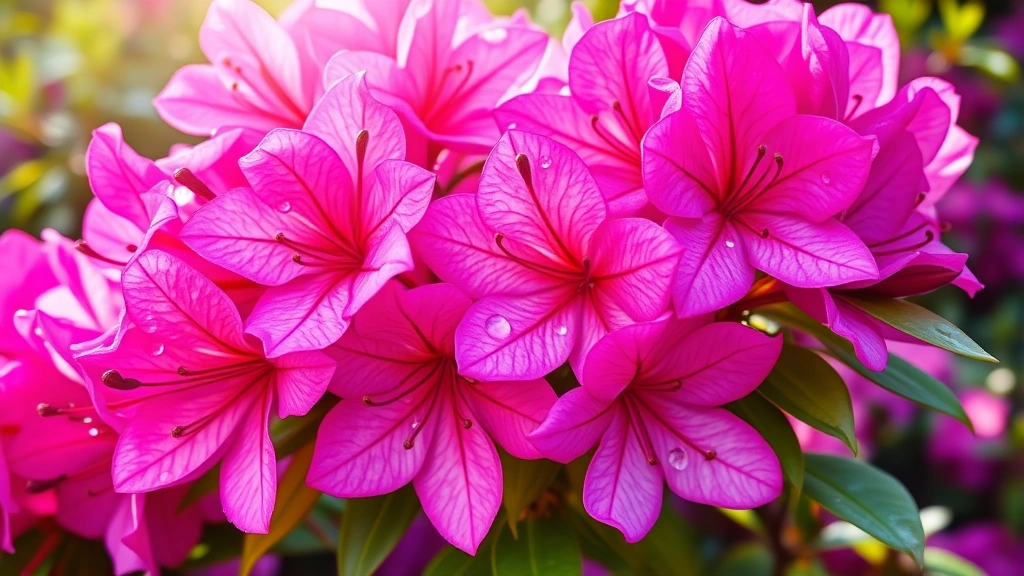
Azalea Growth Secrets: Expert Gardening Tips for Thriving Blooms
Azaleas are among the most stunning flowering shrubs you can cultivate in your garden, offering vibrant blooms and lush foliage that transform outdoor spaces into botanical masterpieces. Whether you’re a seasoned gardener or just beginning your horticultural journey, understanding the fundamentals of azalea growth is essential for achieving the spectacular displays these plants are known for. Like any living organism pursuing excellence, azaleas require intentional care, proper environmental conditions, and consistent attention to reach their full potential.
The beauty of growing azaleas lies not just in their end result, but in the process of learning what makes them thrive. This comprehensive guide will walk you through expert strategies that transform struggling plants into flourishing specimens. By applying these proven techniques, you’ll develop the same personal growth mindset that successful gardeners use—one of patience, observation, and continuous improvement.
Soil Fundamentals for Azalea Success
The foundation of exceptional azalea growth begins beneath the surface, with soil composition being perhaps the most critical factor in determining success or failure. Azaleas are acid-loving plants that thrive in soil with a pH between 4.5 and 6.0, significantly lower than most ornamental plants prefer. This specific requirement isn’t arbitrary—it directly affects nutrient availability and root development.
Start by testing your soil pH using a simple home kit or professional soil analysis. If your soil is too alkaline, you’ll need to amend it with sulfur or peat moss to lower the pH gradually. This process takes time, much like the goal-setting process that requires patience and strategic adjustments.
Beyond pH, azaleas demand well-draining soil rich in organic matter. Heavy clay soils are azalea’s worst enemy, as they retain water and promote root rot. Create an ideal growing medium by mixing your native soil with equal parts peat moss and pine bark. This combination provides excellent drainage while maintaining moisture retention—a delicate balance that mirrors the equilibrium needed in any growth mindset journey.
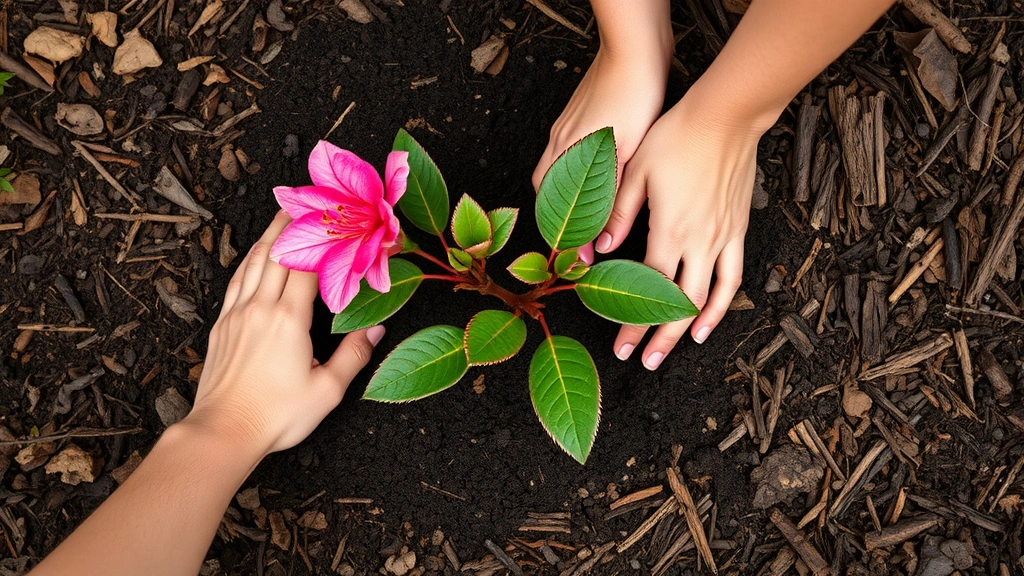
The organic matter in your soil serves multiple purposes: it improves structure, feeds beneficial microorganisms, and gradually breaks down to provide slow-release nutrients. Apply a 2-3 inch mulch layer around your azaleas using pine needles or composted bark, which naturally acidifies the soil as it decomposes while protecting roots from temperature fluctuations.
Understanding Light Requirements
Azaleas are remarkably adaptable regarding light exposure, though understanding their preferences will significantly enhance azalea growth and blooming performance. Most azalea varieties thrive in dappled shade or partial sun—typically 3-6 hours of morning sunlight with afternoon protection from intense heat.
Morning sun exposure is particularly valuable because it helps dry dew from foliage, reducing fungal disease risk. However, afternoon sun in hot climates can scorch leaves and stress plants, especially during establishment. In cooler regions, azaleas tolerate full sun better, though they may require additional water during dry spells.
The relationship between light and growth mirrors the concept of optimal conditions in personal development. Just as individuals need the right balance of challenge and support to achieve increased motivation, azaleas need the right light balance to flourish. Too little light results in sparse, leggy growth and fewer blooms. Too much intense sun causes stress and reduced flowering.
When establishing new azaleas, consider planting them beneath tall trees that provide filtered light. As plants mature and develop stronger root systems, they’ll handle light variations better. Monitor your plants throughout the growing season and adjust their position if you notice leaf scorch or excessive etiolation.
Watering Strategies That Work
Proper hydration is fundamental to consistent azalea growth, yet it’s where many gardeners struggle. Azaleas prefer consistently moist—not waterlogged—soil. The key is understanding the difference between adequate moisture and poor drainage.
During the growing season (spring through early fall), water deeply when the top inch of soil feels dry. This typically means watering 2-3 times weekly, though frequency depends on your climate, soil type, and container size. Deep watering encourages strong root development by forcing roots to grow deeper into the soil, creating more resilient plants.
Use drip irrigation or soaker hoses when possible, as they deliver water directly to the root zone while minimizing leaf wetness that promotes disease. If hand-watering, water at the base of the plant early in the morning. Avoid wetting foliage, which creates conditions favoring fungal infections.
In fall and winter, reduce watering frequency as plants enter dormancy. However, don’t allow soil to completely dry out—azaleas are evergreen or semi-evergreen and continue using water throughout winter. Container-grown azaleas need more frequent watering than in-ground plants, as pots dry out faster.
Think of watering like the consistent effort required in personal development blogs often discuss—it’s not about sporadic intense effort, but rather consistent, measured action over time. This steady approach yields the most impressive results.
Fertilization Schedule and Nutrients
While azaleas aren’t heavy feeders, strategic fertilization significantly enhances azalea growth, vigor, and flowering. The key is using appropriate fertilizers and applying them at the right times.
Choose acid-forming fertilizers specifically formulated for azaleas, rhododendrons, or acid-loving plants. These typically contain a higher percentage of micronutrients like iron, manganese, and zinc—elements that become locked in alkaline soils but are readily available in acidic conditions.
Apply fertilizer in early spring as new growth emerges, providing nutrients for the flush of development. A second application in early summer supports continued growth and flower bud development. Avoid fertilizing after mid-summer, as this stimulates tender new growth vulnerable to winter damage.
Organic options like coffee grounds, composted leaves, and fish emulsion work wonderfully for azaleas. These slow-release sources provide gentle, sustained nutrition while improving soil structure. Many experienced gardeners find organic approaches more sustainable and safer than synthetic chemicals.
Use the same strategic thinking you’d apply to productivity tools—select the right approach for your situation and apply it consistently for optimal results.
Pruning Techniques for Shape and Health
Pruning is both an art and a science when it comes to maintaining healthy, attractive azaleas. Proper azalea growth includes removing dead wood, improving air circulation, and shaping plants to your desired form.
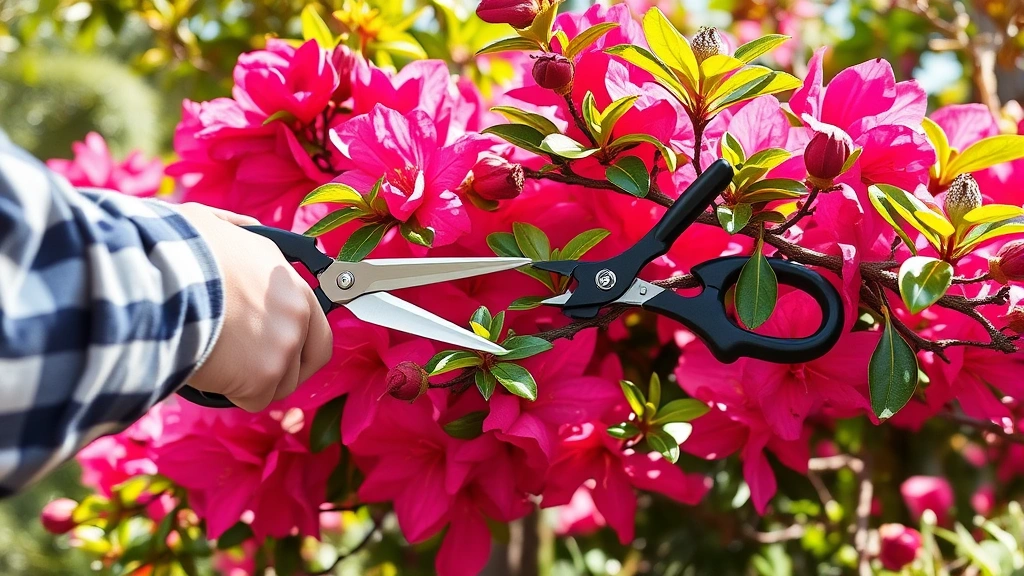
Prune immediately after flowering, typically in late spring or early summer. This timing is crucial because azaleas form flower buds for next year’s blooms shortly after the current flowers fade. Pruning after bud formation means sacrificing next year’s flowers.
Remove any dead, diseased, or crossing branches first. These improvements to plant structure don’t sacrifice blooms and immediately benefit plant health. Next, selectively thin interior branches to improve air circulation, which reduces disease risk and allows light to penetrate the canopy.
For shaping, cut branches back to just above a leaf node or branch junction. Azaleas respond well to moderate pruning and will quickly fill in with new growth. Avoid severe heading-back cuts that leave stubs, as these don’t regenerate well.
Rejuvenation pruning—cutting plants back hard to 12-18 inches—works for overgrown specimens but should be done in early spring before growth begins. This drastic approach sacrifices one year’s flowers but rejuvenates plants for years of future beauty.
Pest and Disease Management
Maintaining vigorous azalea growth includes proactive pest and disease management. While azaleas are relatively trouble-free compared to many ornamentals, several issues can impact their health.
Common pests include lace bugs, spider mites, and azalea bark scale. Regular inspection of leaf undersides helps catch infestations early. Lace bugs cause stippled, yellowing foliage and are best controlled with horticultural oils or insecticidal soaps applied in spring when nymphs emerge.
Fungal diseases like powdery mildew and leaf spot thrive in humid conditions with poor air circulation. Prevention through proper spacing, pruning for airflow, and avoiding overhead watering is far more effective than treating established infections. If disease appears, remove affected branches and improve environmental conditions.
Root rot, caused by poorly-drained soil or overwatering, is the most serious threat to azalea survival. This is why soil preparation is so critical—it prevents the conditions that enable disease. If you suspect root rot, check roots for a foul smell and mushy texture. Improve drainage and reduce watering frequency immediately.
Research from the American Phytopathological Society emphasizes that cultural practices preventing disease are superior to chemical treatments. This preventive approach aligns with the proactive strategies discussed in personal growth resources.
Seasonal Care Considerations
Azaleas experience different needs throughout the year, and adjusting your care approach seasonally ensures consistent azalea growth and performance.
Spring: As temperatures warm and growth accelerates, increase watering frequency and apply fertilizer. Prune immediately after flowering completes. Watch for new pest activity and address issues early.
Summer: Maintain consistent moisture during hot weather, increasing mulch thickness if needed. Provide afternoon shade in hot climates. Continue monitoring for pests and diseases. Many azaleas flower again in late summer if conditions remain favorable.
Fall: Gradually reduce watering as growth slows and temperatures cool. Avoid fertilizing after August to prevent tender new growth. Ensure plants enter winter well-established and not stressed.
Winter: In cold climates, protect azaleas from harsh winds and heavy snow that damages branches. Maintain consistent moisture—dormant plants still need water, just less frequently. In spring, remove any winter-damaged wood once new growth appears.
This seasonal rhythm parallels the cyclical nature of growth discussed in growth mindset literature—different seasons call for different strategies, and understanding these cycles leads to long-term success.
FAQ
How long does it take for azaleas to grow to full size?
Most azalea varieties reach mature size in 5-7 years with proper care. Growth rate depends on variety, growing conditions, and maintenance. Some cultivars are naturally dwarf and remain smaller, while others can grow 6-10 feet tall. Consistent care accelerates growth, while poor conditions dramatically slow development.
Can azaleas grow in containers?
Yes, azaleas thrive in containers, making them perfect for patios and porches. Use large containers with drainage holes and acidic potting mix designed for azaleas. Container plants need more frequent watering and fertilizing than in-ground specimens, as nutrients leach from pots more quickly. Repot every 2-3 years in spring.
Why aren’t my azaleas blooming?
Non-blooming azaleas usually result from one of several issues: insufficient light, frost damage to flower buds, improper pruning timing (cutting after buds form), inadequate fertilizer, or young plants still developing. Evaluate each factor and make appropriate adjustments. Patience is crucial—sometimes plants need a season to recover before abundant blooming resumes.
What’s the best time to plant azaleas?
Spring and fall are ideal planting times when temperatures are mild and plants can establish roots before extreme heat or cold. Avoid planting in summer heat or deep winter. Container-grown azaleas can technically be planted anytime, but establishment success is best in moderate seasons.
How do I know if my azalea has root rot?
Signs include wilting despite moist soil, yellowing leaves that don’t respond to fertilizer, foul odors from soil, and mushy roots. Check roots by carefully excavating around the plant base. Healthy roots are firm and light-colored; rotted roots are dark and mushy. Improve drainage immediately and reduce watering if rot is caught early.
Are azaleas toxic to pets?
Yes, azaleas contain grayanotoxins that are toxic to dogs, cats, and other pets if ingested. While most pets avoid eating them due to poor taste, keep azaleas away from areas where pets frequently browse. Contact your veterinarian immediately if your pet ingests azalea leaves or flowers.


