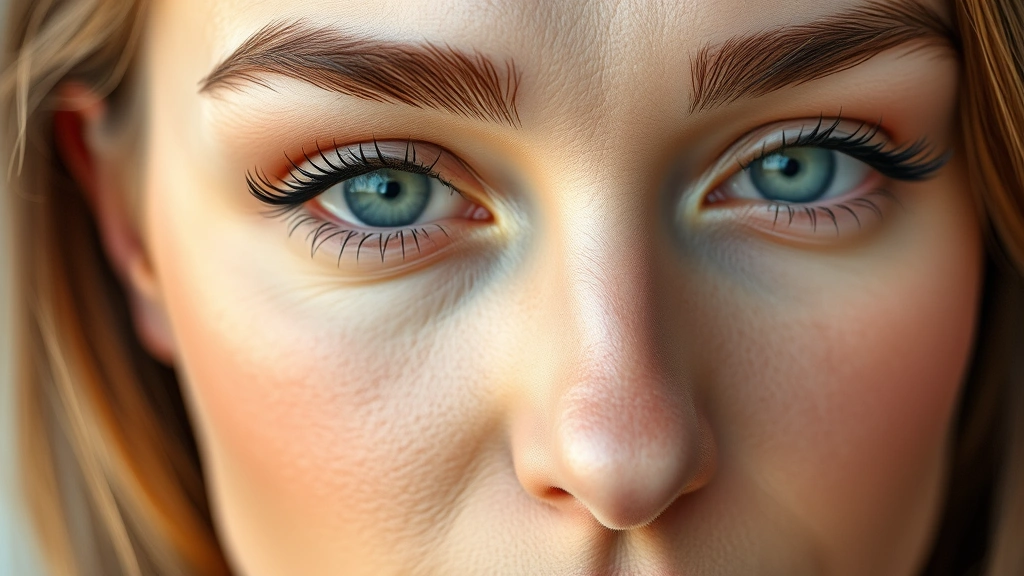
Achieve Fuller Brows: Dermatologist-Approved Tips for Eyebrow Growth
Fuller, well-defined eyebrows have become a defining feature of modern beauty standards, but achieving them requires more than just makeup tricks. Whether you’ve over-plucked your brows in the past, experienced natural hair loss, or simply want to enhance what you have, understanding the science behind eyebrow growth can transform your approach to brow care. Dermatologists agree that healthy eyebrow growth starts with patience, proper nutrition, and targeted treatments that address the hair follicles at their root.
Your eyebrows aren’t just aesthetic features—they’re functional hair that protects your eyes and plays a crucial role in facial expression. The hair growth cycle for brows is different from scalp hair, taking approximately 3-4 months to complete a full growth cycle. This means that results from any eyebrow growth strategy won’t appear overnight, but with consistent effort and the right approach, you can see noticeable improvements within 2-3 months. This article explores evidence-based methods to support fuller, healthier brows.
Understanding the Eyebrow Hair Growth Cycle
Before diving into treatment strategies, it’s essential to understand how eyebrow hair grows. Unlike scalp hair, which has a growth phase lasting 2-6 years, eyebrow hair cycles through growth much more quickly. The anagen (growth) phase lasts only 3-4 months, followed by a catagen (transition) phase of 3-4 weeks, and finally a telogen (resting) phase of about 9 months. This extended resting phase means that eyebrows naturally shed and regrow at a slower rate than head hair.
Understanding this cycle is crucial because it explains why you need patience when pursuing eyebrow growth goals. If you’ve plucked your brows extensively or they’ve stopped growing, the follicles may be in the prolonged telogen phase. The good news is that follicles rarely become permanently damaged unless subjected to extreme trauma. Most people can encourage their brows to return to fuller growth by supporting the hair follicles through proper care and nutrition.
Dermatologists emphasize that the health of your eyebrow follicles depends on blood circulation, hormone levels, and nutritional status. When these factors are optimized, your brows are more likely to enter the anagen phase and stay there longer, resulting in fuller, more visible eyebrows. This is why a holistic approach—combining topical treatments, nutrition, and lifestyle habits—yields the best results.
Nutrition and Supplements for Brow Health
Your eyebrows are made of protein, so adequate dietary protein is fundamental to supporting hair growth. Amino acids like methionine and cysteine are particularly important because they form the structure of hair. If you’re not consuming enough protein, your body will prioritize growing scalp hair and skin over eyebrow hair, as these are considered more essential for survival. Aim for 0.8-1.0 grams of protein per kilogram of body weight daily, incorporating sources like chicken, fish, eggs, legumes, and Greek yogurt.
Beyond protein, several micronutrients directly impact eyebrow growth. Biotin, a B-vitamin, has been extensively studied for its role in hair health. Research published in Dermatology Practical & Conceptual shows that biotin supplementation can improve hair strength and growth rate. Most studies recommend 2.5 mg daily for noticeable results. Iron is equally critical, as iron deficiency directly correlates with hair loss and stunted growth. If you’re experiencing eyebrow thinning, consider having your iron levels checked by a healthcare provider.
Other essential nutrients for brow health include:
- Zinc: Supports protein synthesis and hair follicle health; deficiency causes hair loss
- Vitamin D: Regulates hair follicle cycling; many people with thin brows are vitamin D deficient
- Vitamin B12: Essential for red blood cell production and oxygen delivery to follicles
- Selenium: Protects hair follicles from oxidative stress
- Omega-3 fatty acids: Reduce inflammation and support scalp and skin health
Consider consulting with a dermatologist or nutritionist before starting supplements, as they can identify specific deficiencies affecting your eyebrow growth. Working toward your brow goals requires the same commitment as achieving other personal growth goals—consistency and patience are essential.
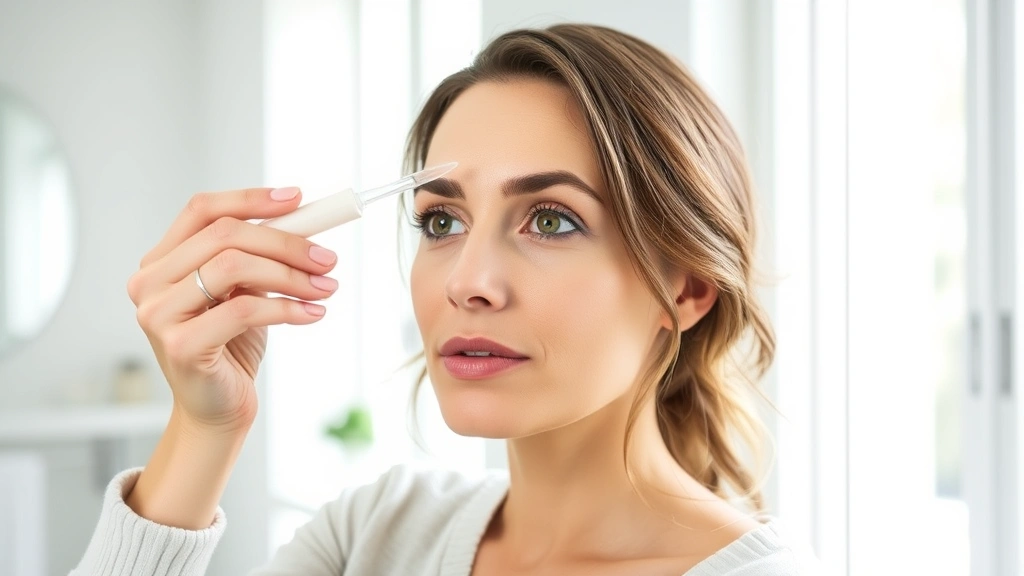
Topical Treatments and Products
Minoxidil (Rogaine) is the most clinically proven topical treatment for eyebrow growth. Originally developed for scalp hair loss, dermatologists have found that a lower concentration (2% instead of 5%) works effectively on eyebrows with fewer side effects. Minoxidil works by extending the anagen (growth) phase and increasing blood flow to hair follicles. Studies show that consistent use for 4-6 months can result in noticeably fuller brows.
Bimatoprost, commonly known as Latisse, is an FDA-approved treatment specifically for eyebrow hypotrichosis (inadequate eyebrow hair). Originally used as a glaucoma medication, patients noticed significant eyelash growth as a side effect. Dermatologists now prescribe it for eyebrow growth, and clinical trials show 78% of users experienced significant improvement in brow fullness. However, it requires a prescription and ongoing use to maintain results.
For those seeking over-the-counter options, several evidence-based products can support growth:
- Castor oil: Rich in ricinoleic acid and omega-6 fatty acids; nourishes follicles and may extend the growth phase
- Peptide-based serums: Contain amino acids that strengthen hair and stimulate follicle activity
- Retinol products: Promote cell turnover and can improve follicle health when applied carefully
- Growth factor serums: Contain plant-derived proteins that signal follicles to enter growth phase
Apply topical treatments consistently, preferably at night, using a clean spoolie or soft brush. Most products require 8-12 weeks of consistent use before you’ll see significant results. This aligns with your eyebrow hair growth cycle and the time needed for follicles to shift from the resting phase to active growth.
Microblading and Professional Treatments
While topical treatments and nutrition support natural growth, some people opt for professional treatments to achieve fuller brows more quickly. Microblading is a semi-permanent cosmetic tattooing technique that creates hair-like strokes, instantly providing the appearance of fuller brows. The procedure lasts 18-24 months and can be combined with natural growth strategies for optimal results.
Other professional treatments include:
- Eyebrow transplants: Hair follicles are harvested from the scalp and implanted into the brow area; permanent but expensive
- Microneedling: Creates micro-injuries that trigger the skin’s healing response and increase blood flow to follicles
- PRP (platelet-rich plasma) therapy: Growth factors from your own blood are injected into the brow area to stimulate follicles
- Laser treatments: Low-level laser therapy may stimulate follicle activity and promote growth
These professional treatments work best when combined with personal growth in self-care habits and nutritional support. Just as achieving success in any area of life requires multiple strategies, achieving fuller brows often involves combining treatments. Consult with a board-certified dermatologist to determine which options are right for your specific situation and skin type.

Daily Habits That Support Growth
Beyond topical treatments and supplements, your daily habits significantly impact eyebrow growth. Stress is a major culprit in hair loss and stunted growth. When you’re stressed, your body releases cortisol, which can push hair follicles into the telogen (resting) phase prematurely. This is why managing stress is crucial for brow health. Practices like meditation, exercise, and adequate sleep all reduce cortisol levels and support hair growth.
Sleep deserves special attention because it’s when your body repairs and regenerates tissues, including hair follicles. During deep sleep, growth hormone levels peak, supporting hair growth and cellular repair. Aim for 7-9 hours of quality sleep nightly. If you struggle with sleep, consider reading about increasing motivation to establish a consistent sleep routine—the same discipline applies here.
Your daily grooming habits also matter. Avoid over-plucking, waxing, or threading your eyebrows, as these practices can damage follicles and disrupt the growth cycle. If you must shape your brows, do so minimally and only pluck stray hairs outside your natural brow line. Many dermatologists recommend letting brows grow untouched for at least 3 months to assess their true potential.
Hydration is another often-overlooked factor. Hair follicles require adequate hydration to function optimally. Drinking sufficient water (typically 8-10 glasses daily) ensures that nutrients are transported efficiently to your hair follicles and that your skin remains healthy. Dehydration can cause hair to become brittle and weak.
Physical activity also supports eyebrow growth by improving circulation. Exercise increases blood flow throughout your body, including to the hair follicles in your brows. Cardiovascular exercise, strength training, and even daily walks can make a measurable difference in hair health over time.
Common Mistakes to Avoid
Many people inadvertently sabotage their eyebrow growth efforts by making common mistakes. The most prevalent error is over-plucking. Once you’ve decided to grow fuller brows, resist the urge to pluck constantly. Hair follicles need time to complete their growth cycle, and frequent plucking can cause permanent damage to follicles if done excessively over years.
Another mistake is expecting results too quickly. As mentioned, eyebrow hair takes 3-4 months to grow. If you switch products or treatments every few weeks, you won’t give them adequate time to work. Commit to a strategy for at least 12 weeks before evaluating results. This patience mirrors the approach you’d take with other personal growth endeavors—meaningful change takes time.
Using harsh products is another common error. Some people apply strong acids, alcohol-based products, or overly abrasive treatments to their brows, thinking they’ll speed results. Instead, these damage the delicate skin and hair follicles around your eyes. Always use gentle, dermatologist-recommended products.
Ignoring nutritional deficiencies is a critical mistake. You can use the best topical treatments available, but if your body lacks essential nutrients, your follicles won’t have the raw materials needed for growth. This is why addressing nutrition is so important—it’s the foundation upon which all other strategies build.
Finally, avoid trying to do everything at once. Start with one or two strategies—perhaps a growth serum and biotin supplementation—and give them time to work. Once you see results, you can add additional approaches if needed. This methodical approach is more sustainable and helps you identify which strategies work best for your unique situation.
FAQ
How long does it take to see eyebrow growth results?
Most people see noticeable results within 8-12 weeks of consistent treatment, though this varies based on your starting point and the strategies used. Since eyebrow hair has a 3-4 month growth cycle, patience is essential. Full results typically appear after 4-6 months of dedicated care.
Can eyebrow hair grow back after over-plucking?
Yes, in most cases. Follicles rarely become permanently damaged unless subjected to extreme, repeated trauma. By supporting your follicles with proper nutrition, topical treatments, and gentle handling, you can encourage regrowth. However, the longer you’ve over-plucked, the longer recovery may take.
Is minoxidil safe for eyebrows?
Minoxidil is generally safe for eyebrows when used as directed, though it’s important to use the lower 2% concentration (not the 5% scalp version) and apply it only to the brow area. Some people experience mild irritation or unwanted hair growth on adjacent skin. Always consult a dermatologist before starting minoxidil.
What’s the difference between microblading and natural growth strategies?
Microblading provides immediate cosmetic results through semi-permanent tattooing, while natural growth strategies take time but result in actual hair growth. Many people combine both approaches—using microblading for immediate improvement while pursuing natural growth for long-term results.
Can hormones affect eyebrow growth?
Absolutely. Thyroid disorders, hormonal imbalances, and conditions like polycystic ovary syndrome (PCOS) can significantly impact hair growth. If you suspect a hormonal issue, consult your healthcare provider for testing and appropriate treatment. Addressing underlying hormonal problems is essential for sustainable eyebrow growth.
Are there any foods that specifically promote eyebrow growth?
Foods rich in protein, biotin, iron, and omega-3 fatty acids support eyebrow growth. These include eggs, salmon, spinach, nuts, seeds, legumes, and Greek yogurt. Rather than focusing on specific “superfoods,” aim for a balanced diet rich in whole foods that provide comprehensive nutritional support for hair health.


