Boost Hair Growth with Essential Oils: Proven Tips for Natural Results
Hair loss and slow growth affect millions of people worldwide, impacting self-confidence and overall well-being. While genetics play a significant role, the scalp environment and hair follicle health are equally crucial factors that can be optimized through targeted interventions. Essential oils have emerged as a powerful, natural solution backed by scientific research, offering a holistic approach to stimulating hair growth without harsh chemicals or expensive treatments.
The journey toward healthier, fuller hair requires consistency, patience, and the right tools. Essential oils work by improving blood circulation to hair follicles, reducing inflammation, balancing scalp pH, and nourishing the hair shaft from root to tip. This comprehensive guide explores the most effective essential oils for natural hair growth, proven application methods, and complementary strategies that will transform your hair health. Whether you’re experiencing thinning, breakage, or simply want to accelerate growth, these evidence-based tips will help you achieve your hair goals.
How Essential Oils Stimulate Hair Growth
Understanding the mechanism behind essential oils’ effectiveness is crucial for maximizing results. Hair growth occurs in three phases: anagen (growth), catagen (transition), and telogen (resting). Essential oils work by extending the anagen phase and reducing telogen effluvium, the condition causing excessive shedding. Research published in Complementary Therapies in Medicine demonstrates that certain essential oils significantly increase blood flow to the scalp, delivering more oxygen and nutrients to hair follicles.
The scalp is a complex ecosystem where pH balance, sebum production, and microbial balance directly influence hair health. Many commercial products disrupt this delicate environment, leading to inflammation, follicle miniaturization, and premature hair shedding. Essential oils restore scalp homeostasis through their antimicrobial, anti-inflammatory, and antioxidant properties. When properly diluted and applied, these concentrated plant extracts penetrate the scalp barrier, reaching the dermal papilla—the structure responsible for hair growth initiation.
Beyond topical application, the personal growth aspect of addressing hair concerns extends to psychological well-being. Taking proactive steps to improve your appearance through natural methods builds confidence and reinforces a commitment to self-care, which itself supports overall health and vitality.
Top Essential Oils for Hair Growth
Rosemary Oil stands as the gold standard for hair growth stimulation. A landmark study in Phytotherapy Research found that rosemary oil performed comparably to minoxidil (Rogaine) in increasing hair count and thickness after six months. This remarkable finding positioned rosemary as a legitimate alternative to pharmaceutical treatments. The oil contains carnosic acid, a compound that stimulates hair follicle stem cells and improves microcirculation. Users report noticeable improvements in hair density and reduced shedding within 2-3 months of consistent use.
Peppermint Oil enhances scalp circulation dramatically. Research demonstrates that peppermint oil increases blood flow to hair follicles by up to 92% compared to saline controls. This increased circulation delivers vital nutrients and oxygen precisely where needed. The cooling sensation indicates active vasodilation, a physiological response that directly supports the hair growth process. Peppermint also possesses antimicrobial properties, preventing scalp infections that compromise follicle health.
Lavender Oil combines growth-promoting with stress-reducing benefits. The oil stimulates hair follicle growth while calming the nervous system—a crucial factor since chronic stress triggers telogen effluvium. Lavender’s anti-inflammatory properties soothe irritated scalps, creating an optimal environment for growth. Additionally, its pleasant aroma makes daily treatments more enjoyable, supporting consistency and compliance.
Cedarwood Oil addresses hair loss through multiple mechanisms: it balances sebum production, improves scalp blood flow, and possesses antimicrobial and antifungal properties. Studies indicate cedarwood oil is particularly effective for androgenetic alopecia (male/female pattern baldness). The oil normalizes scalp conditions that exacerbate hair loss, creating conditions favoring regrowth.
Thyme Oil strengthens hair follicles and improves circulation. Traditional use combined with modern research supports thyme’s role in preventing hair loss and promoting thickness. The oil contains thymol, a compound with proven antimicrobial activity against scalp pathogens.
Tea Tree Oil addresses scalp health fundamentally. Its powerful antimicrobial and antifungal properties eliminate conditions causing inflammation and follicle damage. A healthy scalp free from infection and irritation creates the foundation for robust hair growth. Tea tree oil must be heavily diluted due to its potency, but even small amounts yield significant benefits.
Application Methods and Techniques
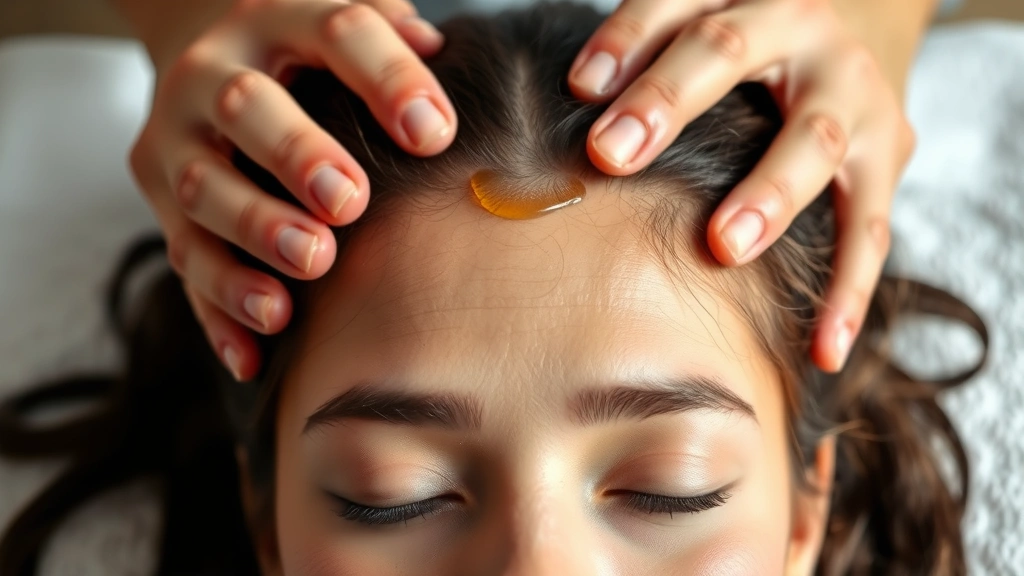
The delivery method significantly impacts essential oil efficacy. Scalp Massage combines the therapeutic benefits of essential oils with improved circulation from manual stimulation. Warm 10-15 drops of diluted oil blend between your palms, then massage into the scalp using circular motions for 5-10 minutes. This technique increases blood flow by up to 40%, amplifying nutrient delivery to hair follicles. Perform scalp massage 3-4 times weekly for optimal results. The repetitive motion also reduces stress, supporting the psychological aspects of how to increase motivation around personal wellness goals.
Oil Mask Treatments provide intensive nourishment. Mix your essential oil blend with a carrier oil (coconut, jojoba, or argan), apply generously to the scalp and hair length, cover with a shower cap, and leave for 30 minutes to overnight. This extended contact time allows deeper penetration and more pronounced effects. Weekly mask treatments accelerate results significantly.
Dilution Protocol is non-negotiable for safety. Essential oils are concentrated and can cause irritation, allergic reactions, or sensitization if applied undiluted. The general guideline is 2-3% dilution for scalp application: add 12-18 drops of essential oil per ounce of carrier oil. Start conservatively and adjust based on your scalp’s response. Patch test new blends behind your ear 24 hours before full application.
Carrier oils deserve equal attention. Coconut oil provides antimicrobial benefits and penetrates the hair shaft, reducing protein loss. Jojoba oil mimics scalp sebum, ensuring compatibility and optimal absorption. Argan oil offers antioxidants and vitamin E, supporting follicle health. Choose based on your hair type: coconut for fine hair, jojoba for sensitive scalps, argan for dry or damaged hair.
Creating Your Hair Oil Blend
Synergistic blending amplifies benefits beyond individual oils. The Growth Accelerator Blend combines rosemary (8 drops), peppermint (6 drops), and lavender (4 drops) per ounce of jojoba oil. This formula addresses multiple growth mechanisms: rosemary stimulates follicles, peppermint enhances circulation, and lavender reduces stress-related shedding.
The Scalp Health Blend prioritizes infection prevention: tea tree (4 drops), cedarwood (6 drops), and thyme (5 drops) per ounce of coconut oil. This combination creates an antimicrobial environment supporting follicle longevity.
The Stress-Relief Blend recognizes that hair loss often accompanies high stress. Combine lavender (8 drops), chamomile (6 drops), and ylang-ylang (4 drops) per ounce of argan oil. This formula supports relaxation while nourishing follicles, addressing root causes of telogen effluvium.
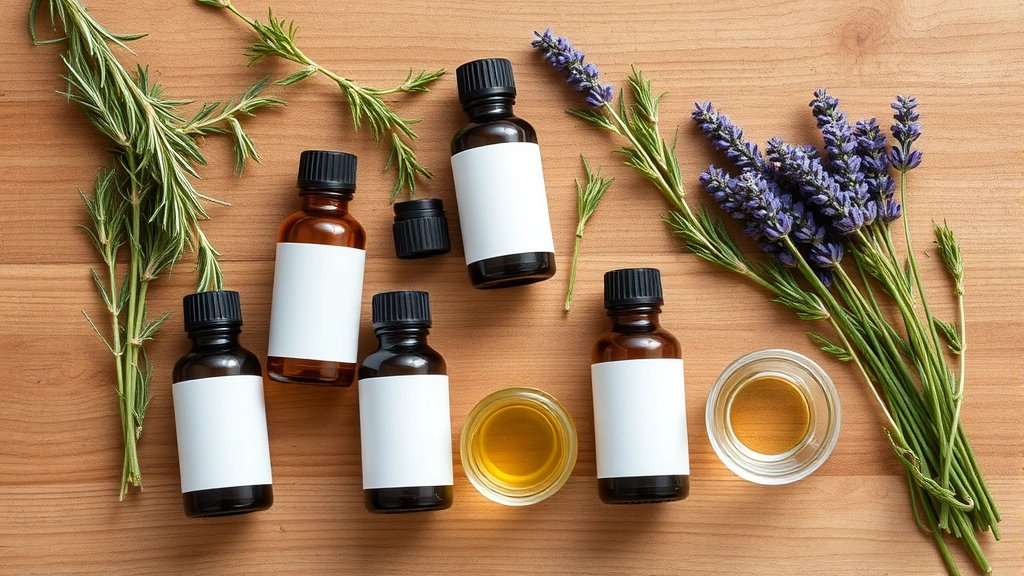
Storage matters significantly. Keep blends in dark glass bottles away from direct sunlight and heat. Properly stored oils remain potent for 6-12 months. Label blends with creation dates and contents for tracking effectiveness and rotation.
Combining Oils with Lifestyle Changes
Essential oils work optimally within a comprehensive hair health strategy. Nutrition provides the building blocks for strong hair. Biotin, iron, zinc, vitamin D, and amino acids directly support keratin synthesis and follicle function. Consuming protein-rich foods, leafy greens, fatty fish, and nuts complements topical treatments. Consider supplementation after consulting healthcare providers to address specific deficiencies.
Just as tips for goal setting require strategic planning and follow-through, hair growth demands consistent execution across multiple domains. Stress Management directly impacts hair health through the hypothalamic-pituitary-adrenal axis. Chronic stress elevates cortisol, triggering inflammatory cascades that push follicles into the telogen phase. Meditation, yoga, exercise, and adequate sleep reduce stress hormones and support follicle longevity.
Scalp Hygiene should be gentle yet thorough. Shampoo 2-3 times weekly with sulfate-free formulas that preserve natural oils. Avoid hot water, which damages the hair cuticle and strips protective sebum. Rinse with cool water to seal the cuticle and enhance shine. Condition primarily the hair length, avoiding scalp application which can suffocate follicles.
Physical Activity improves circulation systematically, benefiting scalp perfusion. Aerobic exercise increases heart rate and blood flow, delivering oxygen and nutrients throughout the body including hair follicles. Exercise also reduces stress and supports healthy sleep, amplifying hair growth benefits.
Expected Results and Timeline
Realistic expectations prevent disappointment and support long-term commitment. Hair growth operates on a 3-6 month cycle. The anagen phase lasts 2-7 years, during which hair grows approximately half an inch monthly. Results from essential oil treatments typically emerge at 4-8 weeks, with significant improvements visible by 3-4 months of consistent application.
Week 1-2: Improved scalp sensation, reduced itching and flaking, initial circulation enhancement.
Week 3-6: Decreased shedding, improved hair texture, enhanced shine and manageability.
Week 8-12: Visible new growth, increased hair density, strengthened existing strands.
Month 4-6: Substantial thickness improvement, reduced breakage, fuller appearance overall.
Individual variation is significant. Genetics, age, hormonal status, and nutritional state influence response rates. Younger individuals and those with milder hair loss typically see faster results. Consistency matters more than intensity—daily applications of diluted oils outperform occasional intensive treatments.
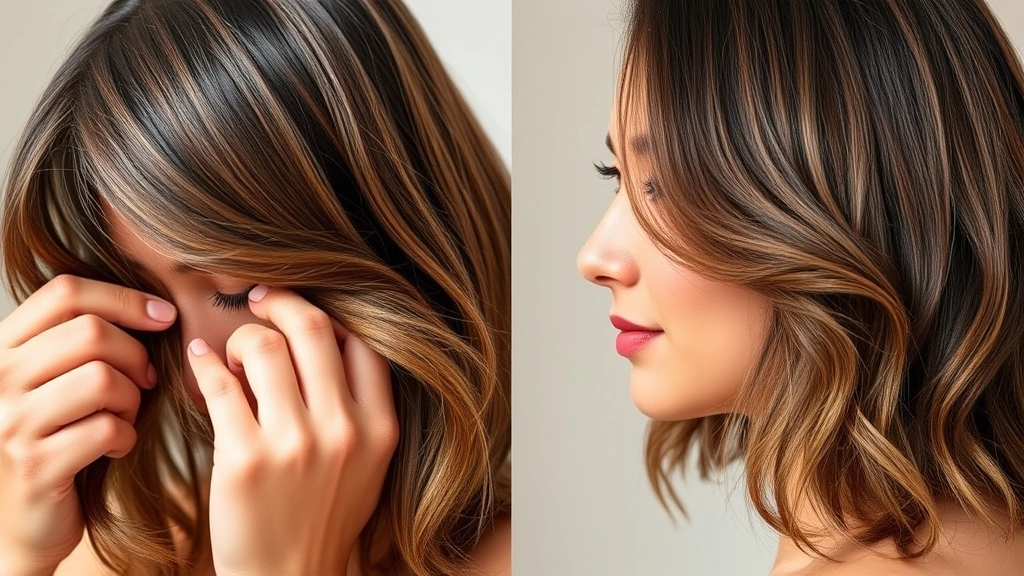
Tracking progress photographically at monthly intervals provides objective measurement. Take photos under consistent lighting from the same angles. Many users find visible differences in density, shine, and length become apparent after 3-4 months. This progress reinforces commitment, similar to how growth and transformation plans benefit from documented milestones.
Understanding that how to work smarter not harder applies to hair care—consistency and proper technique yield better results than sporadic, haphazard efforts. Establish a sustainable routine integrated into your existing self-care practices.
FAQ
Can I use essential oils directly on my scalp without dilution?
No. Essential oils are highly concentrated and can cause chemical burns, allergic reactions, or severe irritation if applied undiluted. Always dilute in carrier oils following the 2-3% guideline (12-18 drops per ounce). Patch test new formulations behind your ear 24 hours before full application to assess tolerance.
How long until I see noticeable hair growth results?
Most users observe reduced shedding and improved scalp health within 2-4 weeks. Visible new growth and increased thickness typically emerge at 8-12 weeks with consistent daily or every-other-day application. Significant transformation requires 3-4 months of dedicated treatment.
Which essential oil is most effective for hair growth?
Rosemary oil demonstrates the most robust scientific support, performing comparably to minoxidil in clinical studies. However, individual responses vary. Many find combining rosemary with peppermint and lavender yields superior results through synergistic mechanisms than any single oil alone.
Can essential oils treat male pattern baldness?
Essential oils can slow progression and promote regrowth in early-stage androgenetic alopecia, particularly cedarwood and rosemary. However, advanced hair loss may require additional interventions. Essential oils work optimally as preventive measures and early-intervention treatments rather than solutions for severe baldness.
Are there any side effects from essential oil hair treatments?
When properly diluted, essential oils rarely cause adverse effects. Potential issues include allergic reactions, contact dermatitis, or photosensitivity (particularly with citrus oils). Always patch test, use appropriate dilutions, and discontinue if irritation occurs. Pregnant individuals should consult healthcare providers before use.
Can I combine multiple essential oils in one blend?
Yes, combining complementary oils often produces superior results through synergy. Limit blends to 3-4 oils maximum to identify which components work best for your scalp. Start with lower concentrations (1-2% of total blend per oil) and adjust based on response.
How often should I use essential oil treatments?
For maintenance and prevention, 2-3 times weekly suffices. For addressing active hair loss or accelerating growth, daily application or every-other-day intensive masks yield faster results. Consistency matters more than frequency—establish a sustainable routine you’ll maintain long-term.
What carrier oil is best for my hair type?
Coconut oil suits fine, oily, or normal hair. Jojoba oil works excellently for sensitive, normal, or combination scalps. Argan oil benefits dry, damaged, or curly hair. Test different carriers to determine which leaves your hair feeling soft and manageable rather than greasy or weighed down.


