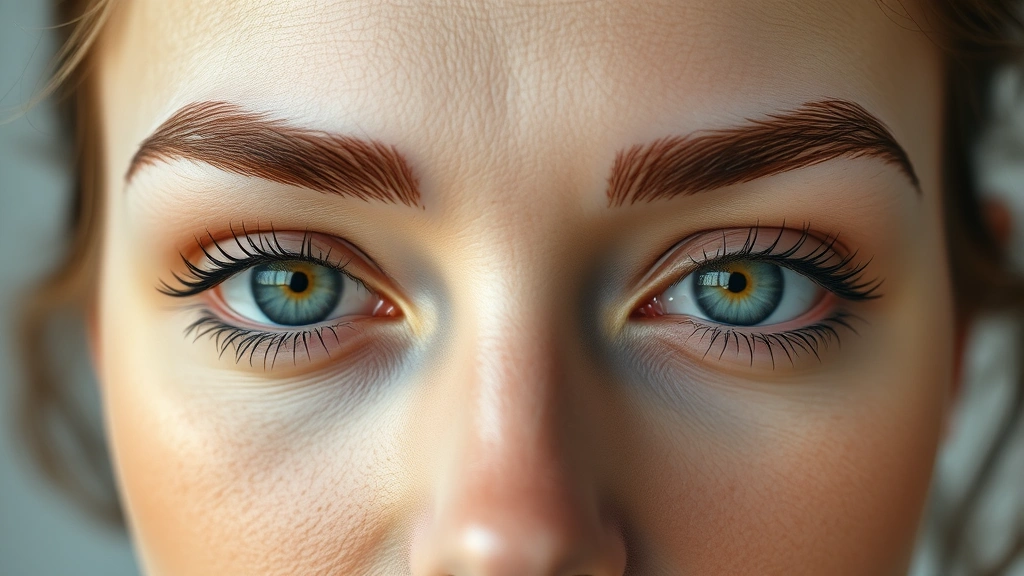
Boost Brow Growth: Dermatologist-Approved Tips for Fuller, Thicker Eyebrows
Your eyebrows frame your face and communicate expression, confidence, and vitality. Yet many people struggle with thin, sparse, or slow-growing brows due to over-plucking, genetics, aging, or underlying health conditions. The good news? Just like any personal growth journey requires the right strategy and tools, achieving fuller eyebrows demands a comprehensive approach combining dermatologist-backed methods, targeted treatments, and consistent self-care habits.
Whether you’re recovering from years of aggressive tweezing or simply want to enhance your natural brow game, understanding the science behind brow growth empowers you to make informed decisions. This guide explores evidence-based strategies, the role of brow growth serums, nutritional support, and professional treatments that can transform your eyebrows from sparse to statement-making.
Understanding Eyebrow Hair Growth Cycles
Before investing in a brow growth serum or any treatment, it’s essential to understand how eyebrow hair actually grows. Hair follicles operate in cycles consisting of three main phases: the anagen phase (active growth), catagen phase (transition), and telogen phase (resting). Eyebrow hair cycles are significantly shorter than scalp hair—typically lasting only 3 to 4 months for the entire cycle.
This shorter growth cycle means eyebrow hair naturally sheds more frequently. Additionally, individual brow hairs spend only about 4 to 7 months in the growth phase, compared to 2 to 7 years for scalp hair. This biological reality explains why brow regrowth feels agonizingly slow and why consistency matters tremendously when using growth-promoting treatments.
Like pursuing any meaningful goal in your personal growth journey, brow development requires patience and strategic planning. The key is keeping as many follicles as possible in the active growth phase while minimizing premature shedding and damage.
Genetics play a substantial role in brow thickness and growth rate. If your parents had thin brows, you’re more likely to face similar challenges. However, genetics isn’t destiny—environmental factors, hormonal health, nutritional status, and targeted treatments can significantly influence your results. Studies published in dermatological journals show that targeted topical treatments can extend the growth phase and improve hair density over time.

The Science Behind Brow Growth Serums
Brow growth serums represent a targeted approach to addressing sparse eyebrows through topical application of active ingredients designed to stimulate follicles and extend the growth phase. Unlike general moisturizers, these specialized formulations contain compounds that interact with hair follicle biology at the cellular level.
The most effective brow growth serums work through several mechanisms: promoting blood flow to hair follicles, extending the anagen phase, reducing hair loss, and nourishing the follicle environment. When combined with motivation and consistency, these products can deliver measurable results within 8 to 12 weeks of regular application.
Research from the Journal of Cosmetic Dermatology indicates that serums containing peptides, growth factors, and plant-derived actives show promise in improving lash and brow appearance. The key is understanding which ingredients deliver evidence-based results versus marketing hype.
It’s important to recognize that brow growth serums aren’t magic solutions—they’re tools that work best within a comprehensive strategy. Think of them similarly to how goal-setting strategies work best when combined with consistent action and environmental support.
Dermatologist-Recommended Ingredients
Several ingredients have earned dermatologist endorsement through clinical research and real-world results. Understanding these active compounds helps you evaluate brow growth serum options intelligently.
Peptides and Biotin: Peptides are amino acid chains that signal hair follicles to enter or remain in the growth phase. Biotin, a B-vitamin, supports keratin production—the protein that comprises hair structure. Studies show biotin supplementation combined with topical application can improve hair thickness and reduce breakage.
Panthenol: This humectant penetrates the hair shaft, improving hydration and reducing brittleness. Healthier, more hydrated brow hair is less prone to breakage and appears fuller. Panthenol also has mild anti-inflammatory properties that support scalp health.
Caffeine: Emerging research suggests caffeine can extend the anagen phase and increase blood flow to hair follicles. Applied topically, caffeine penetrates the skin and may stimulate dormant follicles. A study published in the British Medical Journal found caffeine promoted hair growth in vitro.
Niacinamide (Vitamin B3): This powerhouse ingredient improves skin barrier function, reduces inflammation, and enhances sebum production. Healthy skin around brow follicles supports optimal hair growth. Niacinamide also strengthens the hair shaft itself.
Plant-Derived Growth Factors: Ingredients derived from plants like seaweed, ginseng, and saw palmetto contain compounds that mimic growth factors. These natural alternatives offer gentler, often more sustainable options for stimulating follicle activity.
Hyaluronic Acid: While not directly promoting growth, hyaluronic acid maintains follicle hydration and creates an optimal microenvironment for hair development. Properly hydrated follicles function more efficiently.
When evaluating a brow growth serum, look for products containing multiple evidence-backed ingredients rather than single-component formulas. The synergistic effect of complementary actives typically outperforms standalone ingredients.
Nutrition and Internal Support
External treatments only tell half the story. Hair growth originates from within, making nutritional support absolutely critical for brow development. Just as your overall growth and transformation requires foundational support, your hair follicles depend on specific nutrients to function optimally.
Protein: Hair is primarily composed of keratin, a protein. Insufficient dietary protein limits your body’s ability to synthesize new hair. Aim for adequate protein intake—typically 0.8 to 1.0 grams per pound of body weight depending on activity level.
Iron: Iron deficiency anemia is a well-established cause of hair loss and slow growth. Iron transports oxygen to hair follicles. Women, particularly those menstruating heavily, should ensure adequate iron intake through red meat, legumes, or supplementation if deficient.
Zinc: This mineral directly supports hair protein synthesis and follicle health. Zinc deficiency correlates with alopecia and slow hair growth. Oysters, beef, pumpkin seeds, and legumes provide bioavailable zinc.
Omega-3 Fatty Acids: These essential fats reduce inflammation, support scalp circulation, and nourish hair follicles. Fatty fish, flaxseeds, and walnuts are excellent sources. Research shows omega-3 supplementation improves hair density and strength.
B Vitamins: Biotin (B7), B12, and folate all support hair growth. B vitamins work synergistically to produce energy and support cellular function within follicles. Whole grains, leafy greens, and animal products provide these essential nutrients.
Vitamin D: Emerging research suggests vitamin D deficiency correlates with hair loss disorders. Vitamin D receptors exist on hair follicles, suggesting direct involvement in growth regulation. Sunlight exposure, fatty fish, and supplementation support adequate levels.
Rather than random supplementation, consider consulting a dermatologist or nutritionist to assess your specific deficiencies. Targeted nutrition addresses root causes rather than merely treating symptoms.
Professional Treatments and Procedures
For significant brow concerns or when at-home treatments don’t deliver adequate results, professional dermatological treatments offer powerful options.
Topical Minoxidil: Originally developed for scalp hair loss, minoxidil has shown efficacy for eyebrow growth. Applied twice daily, this FDA-approved compound extends the growth phase and increases blood flow to follicles. Results typically appear within 4 to 6 months. Side effects are minimal with topical application, though some experience mild irritation.
Prescription Retinoids: Dermatologists sometimes prescribe tretinoin or adapalene for brow growth. These vitamin A derivatives stimulate cell turnover, improve skin health, and may extend the anagen phase. They require careful application to avoid irritation on the delicate brow area.
Microblading and Microshading: These semi-permanent makeup techniques don’t promote actual hair growth but create the appearance of fuller brows. While not a growth solution, they provide immediate aesthetic improvement while you pursue growth strategies.
Hair Transplantation: For severe alopecia affecting brows, follicle transplantation from the scalp to the brow area offers permanent results. This surgical approach requires experienced practitioners but delivers lasting, natural-looking fullness.
PRP (Platelet-Rich Plasma) Therapy: This emerging treatment involves injecting concentrated platelets into the brow area to stimulate follicle activity. While research is ongoing, preliminary studies suggest promise for hair growth stimulation.
Laser Therapy: Low-level laser therapy may stimulate follicle activity and improve blood flow. However, evidence remains mixed, and results vary significantly between individuals.
Professional treatments work best when combined with at-home care and internal nutritional support—much like how working smarter, not harder requires integrating multiple strategies rather than relying on single tactics.
Daily Habits for Optimal Brow Health
Consistency in daily habits often matters more than any single product or treatment. Small, repeated actions compound into significant results over months.
Gentle Handling: Stop over-plucking and aggressive rubbing. Treat brows with the same care you’d give delicate skin. Excessive manipulation damages follicles and extends recovery time. If you must pluck, do so minimally and only when hairs are fully grown.
Cleansing Routine: Use a gentle cleanser on the brow area. Harsh products strip natural oils that protect follicles. Avoid rubbing; instead, gently pat the area dry.
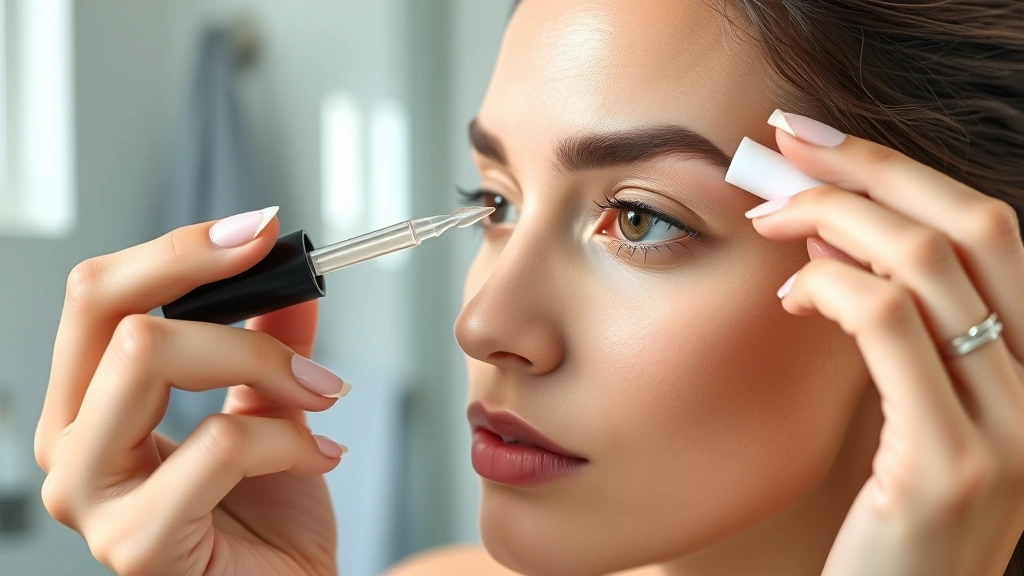
Consistent Serum Application: Apply your chosen brow growth serum exactly as directed—typically twice daily (morning and evening). Consistency matters more than quantity. Missing applications disrupts the continuous stimulation follicles need.
Moisturizing: Keep the brow area adequately hydrated with a gentle, non-comedogenic moisturizer. Healthy skin creates an optimal environment for hair growth.
Sun Protection: UV damage affects follicles and skin health. Apply sunscreen to the brow area daily, or wear sunglasses and hats for protection.
Stress Management: Chronic stress elevates cortisol, which can trigger telogen effluvium (premature hair shedding). Meditation, exercise, and adequate sleep support hormonal balance and hair health.
Sleep Quality: Hair growth accelerates during sleep when growth hormone peaks. Prioritize 7 to 9 hours of quality sleep nightly to support follicle activity.
Hydration: Drink adequate water daily. Systemic hydration supports all cellular functions, including hair growth. Most people benefit from 8 to 10 glasses daily, adjusted for activity level and climate.
Common Mistakes to Avoid
Understanding what sabotages brow growth helps you avoid costly errors that delay results.
Inconsistent Application: The most common mistake is inconsistent product use. Brow growth requires sustained, regular application. Sporadic use produces minimal results. Treat it like taking medication—non-negotiable daily action.
Over-Plucking During Growth: Resist the urge to pluck new growth. Allow brows to grow for at least 3 to 4 months before shaping. This extended timeline feels uncomfortable but is necessary for accurate assessment and follicle recovery.
Ignoring Nutritional Deficiencies: Applying serums while deficient in iron, protein, or zinc wastes effort. Address internal factors simultaneously with external treatments.
Using Low-Quality Products: Inexpensive serums often contain ineffective ingredients or insufficient concentrations. Invest in clinically-formulated products from reputable brands with transparent ingredient lists.
Expecting Overnight Results: Hair growth is biological, not magical. Results require 8 to 12 weeks minimum. Abandoning products prematurely prevents you from experiencing real benefits.
Combining Incompatible Products: Mixing certain actives (like retinoids with vitamin C, or multiple exfoliants) can cause irritation. Research compatibility or consult a dermatologist about your routine.
Neglecting Overall Health: Brow growth reflects overall health. Smoking, excessive alcohol, poor diet, and chronic stress all impair hair growth. Holistic wellness supports visible improvements.
Ignoring Underlying Conditions: Thyroid disorders, hormonal imbalances, and nutritional deficiencies cause hair loss. If brows suddenly thin despite good habits, consult a physician to rule out medical causes.
Frequently Asked Questions
How long does it take to see results from a brow growth serum?
Most people notice initial improvements within 4 to 8 weeks, with significant results appearing by 12 weeks. Hair growth is gradual—patience is essential. Consistency matters more than the specific product.
Can I use brow growth serum if I have sensitive skin?
Yes, but carefully. Start with products formulated for sensitive skin, perform patch tests, and introduce one new product at a time. If irritation occurs, discontinue and consult a dermatologist. Many gentle formulations exist for reactive skin types.
Is minoxidil safe for eyebrow use?
Yes, when used as directed. Minoxidil is FDA-approved for hair growth and generally well-tolerated on eyebrows at lower concentrations than scalp formulations. Consult a dermatologist for personalized guidance and appropriate dosing.
Can genetics prevent brow growth even with treatment?
Genetics influence baseline potential, but treatments still help. Even if your genetic ceiling is thinner brows than desired, serums and proper nutrition typically improve growth within your natural parameters. Results may be more modest than for genetically-favored individuals, but improvement is achievable.
Should I take biotin supplements for brow growth?
Biotin supplementation helps if you’re deficient, but excess biotin doesn’t automatically produce thicker brows. A dermatologist can assess whether supplementation would benefit you specifically. Combined with topical treatment and proper nutrition, biotin may enhance results.
How do I know if my brow loss is medical?
Sudden, patchy brow loss, loss accompanied by other symptoms (fatigue, weight changes, skin changes), or loss affecting only one brow suggests medical causes. Consult a dermatologist or primary care physician to investigate underlying conditions.
Can I pluck my brows while using growth treatments?
Minimal, strategic plucking is fine, but avoid aggressive shaping during active growth phases. Allow brows to grow for 3 to 4 months before reshaping. This timeline feels long but ensures you’re not removing hairs still establishing themselves.
What’s the difference between brow serums and regular moisturizers?
Brow growth serums contain specific active ingredients (peptides, caffeine, growth factors) formulated to stimulate follicle activity and extend growth phases. Regular moisturizers hydrate but lack growth-promoting actives. Serums target hair growth; moisturizers support skin health.


