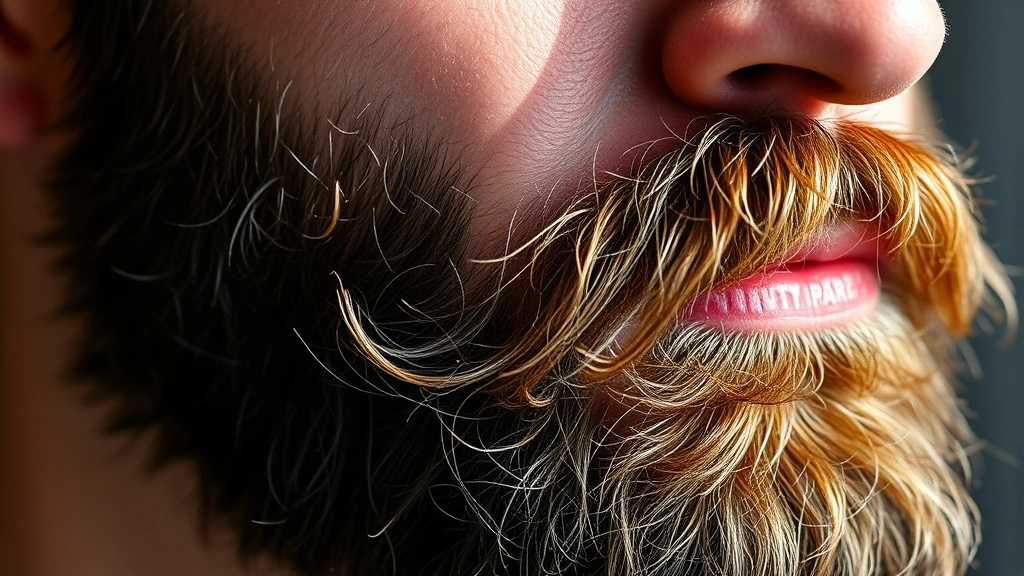
Do Beard Growth Products Work? Expert Insights and Science-Backed Evidence
The beard care industry has exploded into a multi-billion dollar market, with countless products promising thicker, fuller, and faster-growing facial hair. From serums and supplements to specialized shampoos and oils, men everywhere are investing in solutions that claim to transform their beards. But do these beard growth products actually deliver results, or are they simply capitalizing on grooming aspirations? This comprehensive guide examines the science behind beard growth, evaluates popular products, and reveals what truly works based on expert research and clinical evidence.
Whether you’re struggling with patchy facial hair, slow growth rates, or simply want to optimize your beard’s potential, understanding the mechanisms of hair growth and the legitimacy of available products is essential. We’ll explore the biological factors that determine beard development, analyze the ingredients in top-rated products, and provide actionable strategies to maximize your results. Let’s separate fact from marketing fiction and discover the evidence-based approach to achieving the beard you desire.

How Beard Growth Actually Works: The Biology Behind Facial Hair
Understanding whether beard growth products work requires first understanding the biological mechanisms that govern facial hair development. Your beard doesn’t grow independently—it’s controlled by a complex interplay of hormones, genetics, and cellular processes that determine thickness, growth rate, and density.
The primary driver of beard growth is testosterone and its more potent derivative, dihydrotestosterone (DHT). These androgens bind to receptors in hair follicles, stimulating the production of new cells and extending the anagen phase (growth phase) of the hair cycle. However, genetics play an equally crucial role—your DNA determines how sensitive your follicles are to these hormones and how long each growth cycle lasts. This is why some men can grow full beards in weeks while others struggle for months to achieve modest results.
Your beard grows through three distinct phases: the anagen phase (active growth, lasting 2-6 years), the catagen phase (transition, lasting 2-3 weeks), and the telogen phase (resting, lasting 2-4 months). The length and intensity of these phases varies significantly between individuals and is largely predetermined by genetics. However, nutritional status, stress levels, sleep quality, and overall health can influence how efficiently your body cycles through these phases.
Hair follicles require specific nutrients to function optimally. Proteins, B vitamins, zinc, iron, and biotin are essential for keratin production—the primary structural component of hair. When your body lacks these nutrients, hair growth slows, becomes brittle, or stops entirely. This is where many beard growth products attempt to intervene, though not all succeed equally.

Popular Beard Growth Products: What’s Actually in Them
The market is saturated with products claiming to accelerate beard growth. Understanding what these products contain and their intended mechanisms helps evaluate their legitimacy. Common categories include beard oils, growth serums, supplements, shampoos, and specialized treatments.
Beard Oils and Topical Serums: These products typically contain carrier oils (coconut, jojoba, argan) combined with essential oils and sometimes active ingredients like caffeine or biotin. The theory suggests that topical application nourishes follicles and improves scalp circulation. However, most beard oils primarily condition existing hair rather than stimulate new growth. They may improve appearance and reduce itching, but their ability to genuinely accelerate growth is limited because the active ingredients struggle to penetrate the skin barrier effectively.
Oral Supplements: Beard growth supplements usually combine biotin, vitamins B5 and B12, zinc, iron, and sometimes herbal extracts like saw palmetto. These work on the premise that addressing nutritional deficiencies removes barriers to optimal growth. If you’re deficient in these nutrients, supplementation can help. However, if your nutrition is already adequate, additional supplementation provides minimal benefit.
Specialized Shampoos and Conditioners: Many brands market beard-specific hair care products that claim to strengthen follicles and promote growth. While quality shampoos prevent damage and maintain healthy existing hair, they don’t fundamentally alter growth rate unless you were previously using products that damaged your beard.
To develop an effective personal growth strategy, consider reading about comprehensive transformation planning, which applies similar principles of realistic goal-setting to any self-improvement project, including beard development.
The Science of Key Ingredients
Biotin: Biotin (vitamin B7) is perhaps the most heavily marketed beard growth ingredient. Research shows that biotin is essential for keratin synthesis, and deficiency impairs hair growth. A study published in the Journal of Cosmetic Dermatology found that biotin supplementation improved hair strength and reduced breakage in individuals with existing deficiencies. However, for people with adequate biotin levels, additional supplementation shows minimal effect on growth rate.
Minoxidil (Rogaine): This is the only topically applied ingredient with robust clinical evidence for promoting hair growth. Originally developed as an oral medication for blood pressure, minoxidil was found to stimulate hair growth as a side effect. Multiple clinical trials demonstrate that 5% minoxidil solution increases beard density and growth rate, particularly effective for addressing patchy areas. The mechanism involves improved blood flow to follicles and potentially extending the anagen phase. However, results require consistent application (typically twice daily) and discontinuation leads to reversal of gains.
Saw Palmetto: This herbal extract is theorized to block DHT conversion, potentially supporting hair retention. While some studies suggest modest benefits for scalp hair, evidence specifically for beard growth is limited and inconsistent. Any effects appear modest compared to minoxidil.
Caffeine: Topical caffeine may stimulate hair follicles and improve blood circulation. A study in International Journal of Dermatology found caffeine prolonged the anagen phase in hair follicles. However, the concentration in most commercial products may be insufficient for meaningful effects, and absorption through skin is questionable.
Niacin (Vitamin B3): Niacin improves circulation and is involved in DNA repair and keratin production. While essential for optimal hair health, supplementation beyond deficiency levels shows limited additional benefit for growth acceleration.
Clinical Studies and Real Evidence
When evaluating whether beard growth products work, we must distinguish between products with clinical evidence versus those with only marketing claims. The research landscape is surprisingly limited for most beard-specific products.
A comprehensive review published in PubMed Central examining hair growth treatments found that minoxidil remains the gold standard with robust evidence across multiple randomized controlled trials. The research consistently shows 5% minoxidil increases hair density by approximately 15-20% over 16 weeks, with continued improvement over longer periods.
Research from the American Academy of Dermatology indicates that oral finasteride (Propecia), which blocks DHT conversion, effectively maintains and sometimes restores scalp hair in men with androgenetic alopecia. While less studied specifically for beards, the mechanism suggests potential applicability, though results vary individually.
For supplements, research is more limited. A study in Dermatology Practical and Conceptual found that biotin supplementation combined with zinc and other micronutrients improved hair growth in individuals with documented deficiencies, but effects in non-deficient populations were minimal. Similarly, research on saw palmetto shows inconsistent results, with most studies suggesting modest effects at best.
Importantly, many popular beard growth products lack peer-reviewed clinical evidence entirely. Companies often rely on user testimonials, before-and-after photos, and theoretical mechanisms rather than rigorous clinical trials. This doesn’t necessarily mean products don’t work—it means the evidence is insufficient to make definitive claims.
Just as understanding motivation mechanics helps you achieve personal goals, understanding the science of beard growth helps you pursue realistic objectives with appropriate strategies.
Natural Methods That Genuinely Support Beard Growth
Beyond products, numerous lifestyle factors significantly influence beard growth potential. These natural methods often provide better returns than expensive products and align with overall personal growth and health optimization.
Nutrition Optimization: The foundation of healthy beard growth is adequate nutrition. Ensure sufficient protein intake (0.8-1g per pound of body weight), as hair is primarily composed of keratin protein. Include rich sources of B vitamins (whole grains, eggs, leafy greens), zinc (oysters, beef, pumpkin seeds), iron (red meat, legumes), and healthy fats (avocados, fatty fish). A deficiency in any of these nutrients can impair growth regardless of other interventions.
Sleep Quality: Hair growth accelerates during sleep when growth hormone peaks and your body repairs and regenerates tissues. Aim for 7-9 hours of consistent, high-quality sleep. Poor sleep impairs hormone regulation and increases cortisol, which can suppress hair growth.
Stress Management: Chronic stress elevates cortisol levels, which can push hair follicles into the telogen (resting) phase prematurely, resulting in increased shedding and slower growth. Implement stress-reduction practices like meditation, exercise, or journaling. Research shows that even 10-15 minutes daily of mindfulness practice measurably reduces cortisol.
Regular Exercise: Physical activity improves circulation, delivers more oxygen and nutrients to hair follicles, and optimizes hormone balance. Resistance training specifically boosts testosterone naturally. Aim for 150 minutes of moderate cardio or 75 minutes of intense exercise weekly, combined with 2-3 strength training sessions.
Scalp and Skin Care: A healthy scalp environment supports optimal follicle function. Wash your beard 2-3 times weekly with gentle, sulfate-free shampoo. Over-washing strips natural oils; under-washing allows buildup that clogs follicles. Massage your beard area gently for 5 minutes daily to improve circulation.
Hydration: Proper hydration supports all cellular functions, including hair growth. Drink adequate water (typically 2.7-3.7 liters daily depending on activity level and climate). Dehydration impairs nutrient transport and can slow growth.
Sun Protection: UV damage degrades hair protein and can impair growth. When spending extended time outdoors, wear a hat or apply beard balm with UV protection.
Realistic Expectations and Timeline
A critical factor in evaluating beard growth products is understanding realistic expectations. Many marketing claims create impossible standards that set users up for disappointment.
Average beard growth rate is approximately 0.3-0.5 millimeters daily, or about 5-6 inches annually. This rate is relatively fixed and determined primarily by genetics. Products cannot dramatically accelerate this rate; they can only optimize it within your genetic potential. If your natural growth rate is 5 inches yearly, no product will make it 10 inches yearly—but optimizing nutrition, sleep, and stress might help you achieve the full 5 inches rather than 4.
Timeline expectations: Most visible changes require 8-12 weeks of consistent effort. Hair that appears thicker or fuller after 2-3 weeks is likely due to improved grooming, conditioning, or reduced breakage—not accelerated growth. Genuine growth-phase changes take longer because new hair must grow from the follicle base to become visible.
For minoxidil specifically, studies show that most noticeable improvements appear after 4-6 months of consistent twice-daily application. Some users see results earlier; others require 12+ months. Discontinuation reverses gains within 3-6 months.
Genetics ultimately determines your ceiling. If your father and grandfathers had thin beards, your genetic potential is similarly limited. Products can help you achieve your personal best, but they cannot overcome fundamental genetic constraints. This is similar to how effective goal-setting requires understanding your constraints and optimizing within realistic parameters.
The 90-Day Assessment: Give any new beard growth strategy 90 days before evaluating effectiveness. This timeframe allows sufficient hair cycle progression to generate visible results while being short enough to abandon ineffective approaches without excessive investment.
FAQ
Do beard growth vitamins actually work?
Beard growth vitamins work only if you have nutritional deficiencies. Biotin, B vitamins, zinc, and iron are genuinely essential for optimal hair growth. If you’re deficient in any of these, supplementation can improve results. However, if your diet is already adequate, additional supplementation provides minimal benefit. The best approach is ensuring adequate nutrition through food first, then supplementing only if testing reveals deficiencies or if your diet is genuinely insufficient.
Is minoxidil safe for beard growth?
Minoxidil is FDA-approved for topical use and has an excellent safety profile when used as directed. The 5% solution is available over-the-counter. Common side effects are minimal and include occasional scalp irritation or dryness. Systemic absorption is minimal with topical application. However, consult a dermatologist before use if you have cardiovascular conditions, as minoxidil was originally developed as a blood pressure medication. Results are individual—some users see significant improvements while others see modest changes.
How long does it take to see beard growth results?
Realistic timelines depend on the intervention. With optimized nutrition, sleep, and stress management, you may notice improved beard health (reduced breakage, better texture) within 4-6 weeks. Visible growth acceleration typically requires 8-12 weeks minimum. Minoxidil shows noticeable results after 4-6 months of consistent use. Remember that beard hair cycles through growth phases over months, so patience is essential.
Can beard oil stimulate faster growth?
Beard oil primarily conditions existing hair and may reduce itching or flaking by improving skin health. While it enhances appearance and feel, most beard oils don’t meaningfully accelerate growth rate. High-quality beard oils prevent damage and maintain healthy existing hair, which indirectly supports growth, but they’re not growth accelerators. Consider beard oil as maintenance rather than a growth treatment.
What’s the best beard growth product available?
Based on clinical evidence, minoxidil 5% solution is the most effective topically applied product for accelerating beard growth. However, “best” depends on individual circumstances. For someone with nutritional deficiencies, addressing those through diet or targeted supplementation is best. For someone with genetic limitations, minoxidil combined with optimized lifestyle factors is best. For someone with adequate nutrition and no hair loss concerns, focusing on sleep, stress management, and exercise may be sufficient. Consult a dermatologist to determine what’s best for your specific situation.
Do beard growth supplements interfere with medications?
Most beard growth supplements are generally safe, but some ingredients can interact with medications. Biotin, B vitamins, and minerals are typically safe, but saw palmetto and other herbal ingredients may interact with certain medications or hormonal treatments. If you take any medications, especially blood thinners, hormonal treatments, or medications for prostate conditions, consult your doctor before starting supplements.


