
Does Dermatol Stimulate Hair Growth? Doctor Insights
Hair loss affects millions worldwide, prompting desperate searches for solutions. One product frequently mentioned in online forums and social media is Dermatol, a topical treatment that claims to address various skin conditions. But does Dermatol actually stimulate hair growth, or is it simply another overhyped remedy? Understanding the science behind hair growth, the composition of Dermatol, and what medical professionals actually say can help you make informed decisions about your hair health.
This comprehensive guide explores the evidence, examines doctor perspectives, and reveals what truly matters when addressing hair loss. Whether you’re experiencing thinning hair or seeking preventative measures, separating fact from marketing claims is essential for your personal growth journey toward better health and confidence.
What Is Dermatol and Its Composition
Dermatol, also known as bismuth subgallate, is a compound historically used in dermatological preparations for its astringent and antiseptic properties. Originally developed in the early 20th century, it gained popularity in European skincare products. The substance works by creating a protective barrier on the skin and reducing inflammation, which explains its traditional use for minor wounds, eczema, and general skin irritation.
The active ingredient in Dermatol formulations typically ranges from 2-10% bismuth subgallate, often combined with other compounds like zinc oxide, talc, or various plant extracts. Modern versions may include additional ingredients marketed for hair health, such as biotin, saw palmetto, or caffeine. However, the presence of these secondary ingredients doesn’t automatically translate to hair growth stimulation—understanding each component’s actual efficacy is crucial.
When evaluating Dermatol for hair growth, it’s important to distinguish between its proven skin benefits and unsubstantiated hair claims. The product excels at treating dermatological conditions, but manufacturers often make leap-logic marketing claims that extend far beyond the compound’s actual mechanism of action. This is where reliable information sources become invaluable for discerning consumers.
The Science of Hair Growth
Hair growth operates through a complex biological cycle involving three distinct phases: anagen (active growth), catagen (transition), and telogen (resting). During the anagen phase, which lasts 2-7 years, hair follicles produce new cells that push existing hair upward. The catagen phase lasts 2-3 weeks as the follicle shrinks, followed by the telogen phase lasting 2-3 months when hair rests before shedding.
For hair to grow optimally, follicles require specific conditions: adequate blood circulation, proper hormone balance, sufficient micronutrients (iron, zinc, biotin, vitamin D), and absence of inflammatory conditions. Dermatological health does influence hair growth—scalp inflammation, fungal infections, or bacterial overgrowth can disrupt the hair cycle and accelerate shedding. This is where products addressing skin health theoretically could help, but only if they directly impact follicle function.
The critical distinction lies between treating scalp conditions and stimulating hair growth. Dermatol’s anti-inflammatory and antiseptic properties might create a healthier scalp environment, but this differs fundamentally from actively stimulating follicles to produce more hair. Research published in the Journal of Dermatological Treatment confirms that scalp health is prerequisite for hair growth, yet treating skin alone rarely produces significant hair regrowth without addressing underlying causes.
Understanding this science helps you set realistic goals for hair health improvements, focusing on evidence-based interventions rather than hopeful thinking.
Doctor Insights on Dermatol
Dermatologists largely view Dermatol as a useful tool for specific scalp conditions but rarely recommend it as a primary hair growth treatment. Dr. David Kingsley, a prominent trichologist, notes that while bismuth subgallate effectively treats inflammatory scalp conditions, it lacks the biological mechanisms necessary to stimulate hair follicles directly. The distinction is critical: treating scalp disease isn’t equivalent to promoting hair growth.
Medical professionals emphasize that proven hair growth treatments operate through distinct mechanisms. Minoxidil (Rogaine) extends the anagen phase and increases blood flow to follicles. Finasteride (Propecia) blocks DHT, the hormone responsible for androgenetic alopecia. These medications have robust clinical trial evidence supporting their efficacy. Dermatol, conversely, lacks comparable research demonstrating hair growth stimulation.
Dr. Jessica Wu, a board-certified dermatologist and author, explains that marketing often conflates scalp health with hair growth. “A healthy scalp is necessary but insufficient for hair growth,” she states. “You can have the healthiest scalp imaginable and still experience hair loss if the underlying cause—whether genetic, hormonal, or nutritional—isn’t addressed.”
When doctors do recommend Dermatol, it’s typically for specific conditions: seborrheic dermatitis causing scalp inflammation, bacterial infections, or irritation from other treatments. In these contexts, improving scalp health may indirectly support better hair retention, but this isn’t hair growth stimulation per se. Understanding this medical perspective prevents wasting resources on products misaligned with your actual needs.
Consulting dermatologists about your specific hair concerns, rather than self-diagnosing based on product marketing, represents an important investment in maintaining motivation toward genuine solutions.
Evidence-Based Hair Growth Solutions
Scientific research consistently supports several interventions for hair growth and retention. Minoxidil, available over-the-counter, demonstrates clear efficacy in clinical trials for androgenetic alopecia, with studies showing 40% of users experiencing moderate hair regrowth and 20% experiencing significant regrowth. The mechanism involves extending the anagen phase and improving blood flow to follicles.
Finasteride, a prescription medication, blocks the conversion of testosterone to DHT, addressing the root cause of male pattern baldness. Clinical trials spanning multiple years show consistent hair retention and regrowth in approximately 80% of users. For women experiencing hair loss, spironolactone offers similar hormonal benefits with different mechanisms.
Beyond pharmaceuticals, nutritional interventions show promise. Research in the Dermatology Practical & Conceptual journal identifies specific micronutrients critical for hair health: iron (particularly for women), zinc, biotin, vitamin D, and selenium. Deficiencies in these nutrients correlate with increased hair shedding and reduced growth rates.
Low-level laser therapy (LLLT) and platelet-rich plasma (PRP) injections represent emerging treatments with accumulating evidence. LLLT uses specific light wavelengths to stimulate cellular activity in follicles, while PRP harnesses growth factors from your own blood to promote regeneration. Both show promise in clinical studies, though results vary considerably.
Stress management deserves mention as a scientifically-supported intervention. Chronic stress triggers telogen effluvium, a condition causing premature shedding. Managing stress at work and implementing relaxation techniques can directly impact hair retention. This holistic approach to hair health acknowledges that physical treatments work best within a comprehensive wellness framework.

Proven Alternatives to Dermatol
If Dermatol isn’t your answer for hair growth, numerous evidence-based alternatives merit consideration. Topical minoxidil stands as the gold standard over-the-counter solution, available in 2% and 5% concentrations. Results typically appear after 3-4 months of consistent use, with maximal effects at 12 months. The treatment works for both men and women, though formulation preferences differ.
Ketoconazole shampoo, originally developed as an antifungal, demonstrates hair-preserving properties when used 2-3 times weekly. It reduces scalp inflammation and may inhibit DHT conversion locally. This represents a low-risk, accessible option suitable for people experiencing mild to moderate hair loss alongside scalp conditions.
Nutritional supplementation addresses deficiency-based hair loss. Biotin supplementation helps strengthen hair structure, though benefits primarily appear in people with documented deficiency. Iron supplementation proves essential for women with low ferritin levels, as iron deficiency directly causes telogen effluvium. Vitamin D supplementation shows promise for alopecia areata and may support overall hair health.
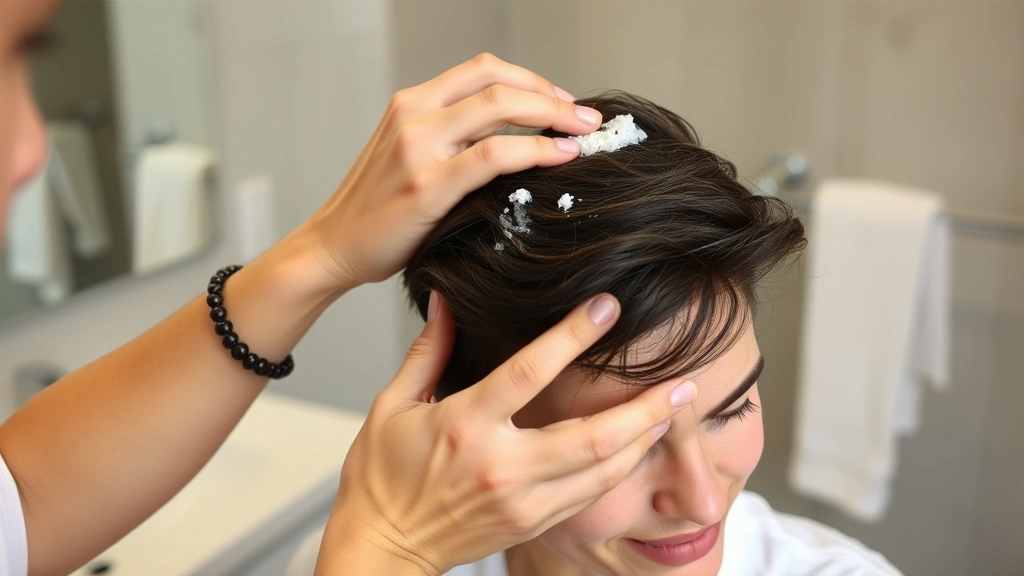
Scalp massage increases blood flow to follicles and may enhance nutrient delivery. Daily 5-minute massage sessions, performed with gentle pressure using fingertips, cost nothing yet provide measurable benefits. This aligns with creating actionable plans for personal health goals—simple, consistent daily practices compound into meaningful results.
For severe hair loss, dermatologists may recommend combination therapies. Minoxidil plus finasteride shows synergistic effects superior to either treatment alone. Adding nutritional optimization, stress management, and scalp care creates comprehensive approaches addressing multiple causative factors simultaneously.
Creating Your Hair Health Strategy
Developing an effective hair health strategy begins with accurate diagnosis. Hair loss has multiple causes—genetic predisposition, hormonal imbalances, nutritional deficiencies, scalp conditions, stress, and medical disorders. A dermatologist can identify your specific situation through clinical examination and potentially blood work, revealing whether Dermatol or another intervention suits your needs.
Once diagnosed, prioritize evidence-based interventions matching your condition. If androgenetic alopecia is your diagnosis, minoxidil and/or finasteride become primary considerations. If nutritional deficiency underlies your hair loss, supplementation becomes foundational. If scalp inflammation complicates your situation, addressing that inflammation (potentially with Dermatol if appropriate) supports overall hair health.
Implement a systematic approach: establish baseline measurements (photograph your scalp, track shedding), begin interventions, and reassess after 3-4 months. Hair growth operates on slow timelines—patience and consistency matter more than jumping between products. This methodical approach to hair health mirrors broader productivity principles where sustained effort outperforms sporadic enthusiasm.
Consider lifestyle factors supporting hair health: prioritize sleep (7-9 hours nightly), manage stress through exercise or meditation, consume protein-rich foods, stay hydrated, and avoid smoking. These foundational practices create optimal conditions for any hair treatment to succeed. Hair health reflects overall health—treating it comprehensively rather than topically produces superior results.
Document your journey and remain adaptable. If your chosen intervention doesn’t produce results after 6 months, consult your dermatologist about alternatives. Some people respond excellently to minoxidil while others require finasteride. Individual variation is normal—persistence in finding your solution matters.
FAQ
Does Dermatol actually grow new hair?
No. Dermatol addresses scalp health and inflammation but lacks mechanisms to stimulate hair follicles into growth. It may create conditions supporting better hair retention if scalp disease is present, but this differs from actively generating new hair growth. Minoxidil and finasteride are evidence-based alternatives with proven growth-stimulating effects.
Can Dermatol treat hair loss caused by scalp conditions?
Potentially. If scalp inflammation, fungal infection, or bacterial overgrowth contributes to your hair loss, Dermatol’s antiseptic and anti-inflammatory properties might help. However, treating the scalp condition alone rarely produces significant hair regrowth. Combining scalp treatment with addressing underlying hair loss causes proves more effective.
How long does Dermatol take to show results?
For scalp conditions, Dermatol typically shows improvement within 1-2 weeks. However, since it doesn’t stimulate hair growth, you shouldn’t expect new hair emergence. If you’re using it for scalp health in conjunction with other hair treatments, allow 3-4 months to assess overall results.
Is Dermatol safe for long-term use?
Dermatol is generally well-tolerated for extended periods when used topically. However, long-term safety data specifically for hair growth applications is limited. Consult a dermatologist before using Dermatol for prolonged periods, particularly if you’re also using other treatments.
What’s the best alternative to Dermatol for hair growth?
Minoxidil (Rogaine) represents the best over-the-counter alternative with strong clinical evidence. For genetic hair loss, finasteride (Propecia) offers prescription-level results. For nutritional deficiency-based loss, targeted supplementation works best. Your ideal solution depends on your specific diagnosis—consult a dermatologist for personalized recommendations.
Can I use Dermatol with minoxidil or finasteride?
Generally yes, though you should consult your dermatologist first. If you’re using Dermatol for a scalp condition alongside minoxidil for hair growth, ensure adequate spacing between applications to avoid skin irritation. Professional guidance ensures safe combination use.


