
Boost Oral Growth in Dogs: Vet-Approved Tips for Healthy Development
Oral health in dogs is a critical component of their overall wellness that many pet owners overlook. Just like humans, dogs require proper dental care, nutrition, and monitoring to ensure their teeth and gums develop correctly from puppyhood through adulthood. Oral growth encompasses tooth eruption, jaw development, bite alignment, and the establishment of healthy gum tissue—all of which directly impact your dog’s ability to eat, play, and maintain quality of life.
Whether you’re raising a new puppy or managing an adult dog’s dental health, understanding the fundamentals of oral development can prevent costly dental procedures and serious health complications down the road. This comprehensive guide explores evidence-based strategies to support your dog’s oral growth, drawing on veterinary expertise and behavioral science principles that demonstrate how consistent care habits lead to lasting health improvements.
Understanding Canine Oral Development Stages
Dogs experience distinct phases of oral development that require different care approaches. Puppies are born without teeth, and their primary (baby) teeth begin erupting around three to five weeks of age. By eight weeks, most puppies have their complete set of 28 deciduous teeth. This stage is crucial because it establishes the foundation for permanent tooth development.
Between three and seven months, permanent teeth begin replacing baby teeth in a specific sequence. By seven months, most dogs have their full complement of 42 permanent teeth. However, this transition period can be uncomfortable and may lead to behavioral changes like increased chewing or reluctance to eat. Understanding this timeline helps you provide appropriate support during each developmental phase.
The jaw itself continues developing beyond tooth eruption. Jaw muscles strengthen through use, and bone density increases with proper nutrition and activity. Dogs reach skeletal maturity between 12 and 18 months, depending on breed size. Large breed dogs mature more slowly than small breeds, meaning their oral development extends over a longer period. This extended timeline requires sustained attention to nutrition and care practices throughout the first year and beyond.
Bite alignment—how upper and lower teeth meet—becomes established during this growth period. Most dogs develop a scissors bite, where upper teeth slightly overlap lower teeth. Improper bite alignment can develop due to genetics, trauma, or nutritional deficiencies. Early monitoring allows veterinarians to identify and address these issues before they cause functional problems or discomfort.
Nutrition’s Role in Dental and Jaw Growth
Proper nutrition is foundational to oral growth, providing the minerals and proteins necessary for strong tooth enamel, dentin formation, and jawbone development. Calcium and phosphorus are essential minerals that comprise the structural components of teeth and bone. Dogs require appropriate ratios of these minerals—typically a 1.2:1 calcium-to-phosphorus ratio—to support healthy mineralization.
Protein quality directly influences gum health and the structural integrity of periodontal tissues. High-quality animal proteins provide amino acids necessary for collagen synthesis, which forms the foundation of healthy gum tissue. When implementing personal growth principles to pet care, consistency in nutrition mirrors the importance of consistent habits in human development—small daily choices compound into significant health outcomes.
Vitamin D plays a crucial role in calcium absorption and bone mineralization. Without adequate vitamin D, even sufficient calcium intake cannot be properly utilized. Fat-soluble vitamins A, D, E, and K support immune function and tissue health throughout the oral cavity. Many commercial dog foods are formulated to meet these nutritional requirements, but consulting with your veterinarian ensures your specific dog’s diet supports their unique developmental needs.
Wet food versus dry food presents different considerations for oral growth. While dry kibble provides some mechanical cleaning action, soft food may be necessary during the tooth transition period when gums are sensitive. Some veterinarians recommend incorporating both, using softer options during active eruption phases and gradually introducing appropriate dry foods as permanent teeth fully emerge and strengthen.
Supplements can support oral health when recommended by your veterinarian. Glucosamine and chondroitin support joint health, which indirectly benefits chewing function. Omega-3 fatty acids reduce inflammation and support gum health. However, supplements should complement—not replace—a complete, balanced diet formulated for your dog’s life stage and size.
Dental Care Practices That Support Healthy Growth
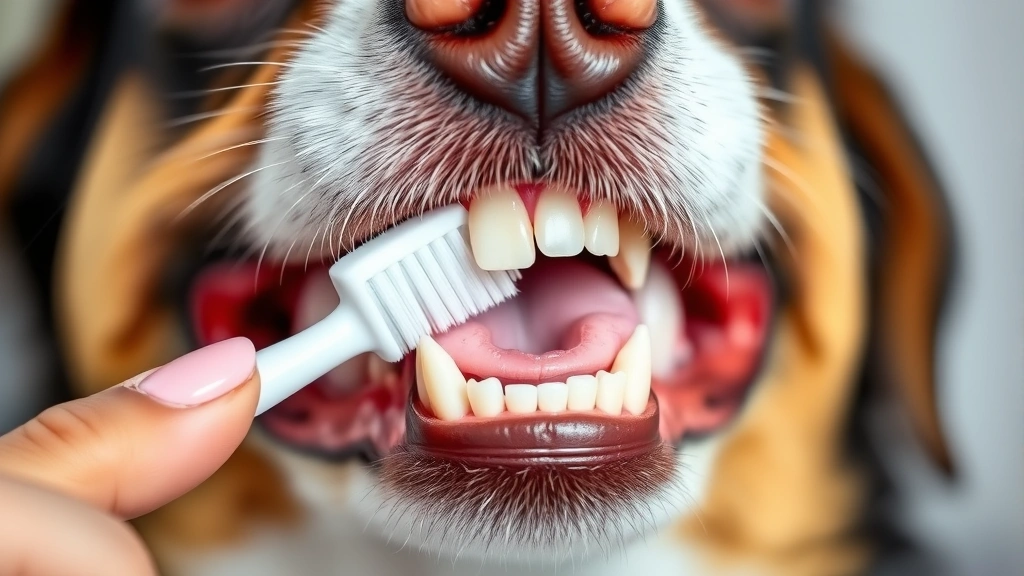
Tooth brushing is the gold standard for maintaining oral health throughout your dog’s life. Beginning this practice early, ideally during puppyhood, establishes it as a normal routine. Use a soft-bristled toothbrush or finger brush with dog-specific toothpaste—never human toothpaste, which contains fluoride at levels unsafe for dogs. Brushing several times weekly, ideally daily, removes plaque before it calcifies into tartar.
The mechanics of effective brushing matter significantly. Focus on the gumline where plaque accumulates, using gentle circular motions. Spend extra attention on the outer surfaces of teeth, which accumulate more plaque than inner surfaces. Most dogs naturally lick the inner surfaces, providing some self-cleaning action. Consistent brushing habits, like those discussed in our guide to goal setting and achievement, create lasting behavioral patterns that protect long-term health.
Professional dental cleanings by veterinarians remove tartar buildup that brushing cannot address. These cleanings, performed under anesthesia, allow thorough scaling above and below the gumline. While anesthesia carries risks, the benefits of preventing advanced periodontal disease—which can lead to tooth loss and systemic infections—typically outweigh these concerns. Your veterinarian can assess when professional cleaning becomes necessary based on your dog’s individual risk factors.
Dental rinses and water additives provide supplementary benefits when combined with brushing. These products contain antimicrobial compounds that reduce bacterial populations in the oral cavity. However, they work best as additions to mechanical cleaning rather than replacements for it. Some dogs respond well to enzymatic toothpastes that work through chemical action when brushing isn’t possible.
Dental treats and toys designed to promote oral health can support your broader dental care strategy. Products containing ingredients like chlorhexidine or enzymes that break down plaque biofilm provide benefits when used appropriately. However, evaluate treats critically—some marketed as dental products contain high calories or limited nutritional value. Choose options that your dog actually enjoys and that fit within their daily caloric intake.
Chewing Habits and Oral Muscle Development
Appropriate chewing supports oral muscle development and strengthens the structures surrounding teeth. Chewing exercises the masseter and temporalis muscles that control jaw movement, building strength and endurance. This muscular development supports proper bite function and can reduce compensatory stress on individual teeth. Additionally, the mechanical action of chewing stimulates saliva production, which contains antimicrobial compounds and helps buffer acids that damage tooth enamel.
Selecting appropriate chew items requires balancing developmental benefits against injury risks. Soft rubber toys and rope toys are suitable for puppies with erupting teeth, providing satisfying chewing without damaging developing tooth structures. As permanent teeth fully erupt and strengthen, gradually introducing firmer chew options like bully sticks, yak chews, or appropriately-sized raw bones can provide enhanced oral stimulation.
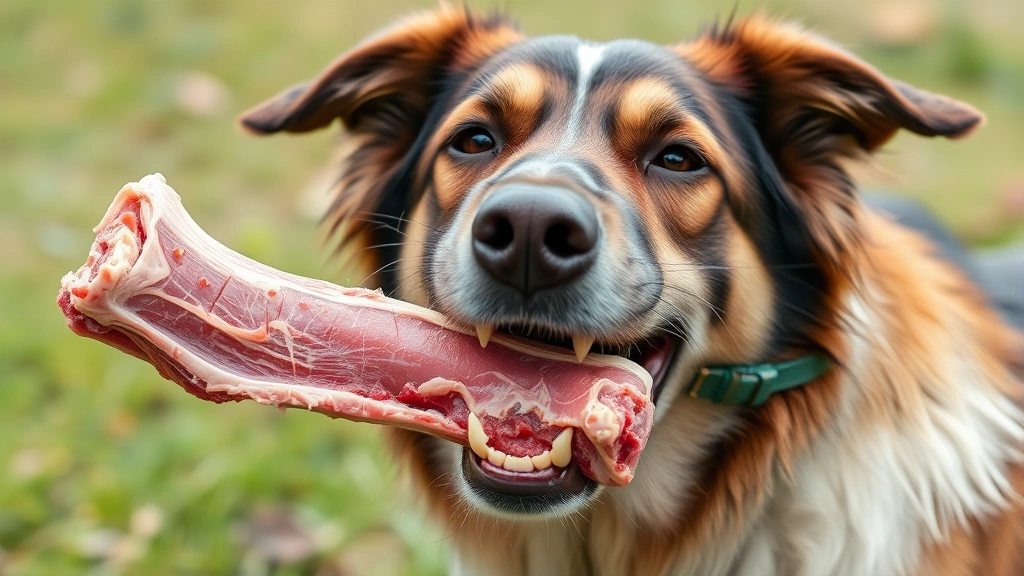
Raw meaty bones offer nutritional benefits and mechanical cleaning, but require careful selection and supervision. Softer bones like chicken necks and wings are appropriate for younger dogs, while larger beef or lamb bones suit adult dogs. Never offer cooked bones, which become brittle and splinter dangerously. Supervise all bone chewing to prevent choking or intestinal obstruction. Some dogs swallow large pieces rather than chewing thoroughly, making them poor candidates for bone chewing.
Destructive chewing often indicates insufficient appropriate outlets for this natural behavior. Following motivation-building principles, providing multiple chewing options throughout your home increases the likelihood that your dog will choose appropriate items. Rotate toys to maintain novelty and interest, keeping your dog engaged with healthy oral activities rather than destructive alternatives.
Kong toys filled with appropriate foods provide extended chewing engagement. Puppies can be given Kong toys filled with wet food or broth frozen inside, providing extended satisfaction during eruption phases. Adult dogs benefit from Kongs stuffed with kibble, treats, or peanut butter, offering mental enrichment alongside oral stimulation. The varied textures and challenges promote healthy chewing behavior.
Monitoring Growth Progress and Warning Signs
Regular oral examinations allow you to track your dog’s dental development and identify issues early. Examine your dog’s mouth weekly, looking at tooth color, gum appearance, and overall mouth structure. Healthy gums should be pink or pigmented (depending on breed), firm, and fit snugly around teeth. Bleeding, swelling, bad breath, or visible plaque indicate problems requiring veterinary attention.
Retained deciduous teeth—baby teeth that don’t shed when permanent teeth erupt—occur in some dogs, particularly small breeds. These teeth can cause bite misalignment and harbor bacteria. If your dog still has baby teeth beyond eight months of age, veterinary extraction may be necessary. Early identification prevents complications and ensures proper permanent tooth positioning.
Bite problems ranging from mild to severe can develop during growth phases. Underbites (lower jaw extends beyond upper jaw) and overbites (upper jaw extends excessively beyond lower jaw) may be genetic or develop from trauma or nutritional deficiencies. Some bite variations don’t affect function, while severe cases can impair eating or cause tooth-to-gum trauma. Your veterinarian can assess whether intervention is necessary.
Discoloration, pitting, or enamel defects on permanent teeth may indicate developmental problems during tooth formation. These defects can result from systemic illness, nutritional deficiencies, or trauma during eruption. While cosmetic defects don’t always require treatment, they may indicate underlying health issues worth investigating.
Behavioral changes related to oral discomfort deserve investigation. Reluctance to eat, dropping food, excessive drooling, pawing at the mouth, or behavioral changes like increased irritability may indicate dental pain. Puppies during eruption phases may show increased chewing intensity or temporary appetite changes, but persistent problems warrant veterinary evaluation.
Professional Veterinary Interventions
Your veterinarian is your primary resource for supporting optimal oral growth. Professional assessment during puppy examinations establishes baseline oral health and identifies any developmental concerns. Veterinarians can provide guidance specific to your dog’s breed, size, and individual characteristics—information that general resources cannot offer.
Dental radiographs (X-rays) reveal tooth development beneath the gumline, identifying problems invisible to visual examination. These images show developing permanent teeth, root formation, and bone density. Radiographs become increasingly important as dogs age, helping identify early periodontal disease, retained teeth, or tooth resorption before they cause significant problems.
Orthodontic interventions, while less common in dogs than humans, are available for severe bite problems affecting function or health. Veterinary orthodontists can apply braces or other corrective devices to guide tooth and jaw positioning. These interventions are most effective when begun during active growth phases, making early identification important.
Fluoride treatments applied professionally provide additional enamel protection, particularly for dogs with high cavity risk. While dogs don’t typically develop cavities like humans do, fluoride can strengthen enamel and reduce sensitivity. Discuss fluoride appropriateness for your individual dog with your veterinarian.
Extractions may become necessary for severely compromised teeth, retained deciduous teeth, or teeth causing pain or infection. While tooth loss is never ideal, removing problematic teeth often improves overall oral health and quality of life. Dogs manage remarkably well with fewer teeth, as their remaining teeth adapt to increased functional demands.
Building a strong partnership with your veterinary team mirrors the importance of seeking expert resources for personal growth—professional guidance accelerates progress and prevents costly mistakes. Schedule regular check-ups, ask questions about your dog’s specific oral development, and follow veterinary recommendations for preventive care.
Frequently Asked Questions
At what age should I start brushing my puppy’s teeth?
Begin tooth brushing as early as possible, ideally around 6-8 weeks of age. Starting young establishes the behavior as routine and allows your puppy to become comfortable with the process. Use a soft brush and dog-specific toothpaste, focusing on making it a positive experience rather than achieving perfect technique initially.
How often should my dog have professional dental cleanings?
Frequency depends on individual factors including breed, age, diet, and home care consistency. Dogs receiving regular brushing may need professional cleanings every 1-2 years, while those without home care might need annual cleanings. Your veterinarian can recommend a schedule based on your dog’s specific needs and risk factors.
Are raw diets better for oral health than commercial kibble?
Raw diets can provide some oral health benefits through mechanical cleaning and natural enzyme content, but they require careful formulation to ensure complete nutrition and carry food safety considerations. High-quality commercial diets formulated to meet nutritional standards provide reliable nutrition. The best diet is one that meets your dog’s complete nutritional needs while supporting oral health—discuss options with your veterinarian.
What should I do if my puppy’s baby teeth don’t fall out?
Contact your veterinarian if baby teeth persist beyond 8 months of age. Retained teeth can cause bite problems and harbor bacteria. Your veterinarian may recommend extraction to allow proper permanent tooth positioning and prevent complications.
Can diet alone prevent dental disease?
Diet is important but not sufficient alone. Comprehensive oral health requires the combination of proper nutrition, consistent mechanical cleaning through brushing, appropriate chewing activities, and professional veterinary care. Each component contributes uniquely to long-term oral health.
How do I know if my dog has oral pain?
Signs include reluctance to eat or chewing on one side, dropping food, excessive drooling, bad breath, behavioral changes, or visible swelling. Any concerning symptoms warrant veterinary evaluation, as oral pain can significantly impact quality of life and may indicate serious underlying problems.
Are dental treats effective substitutes for brushing?
Dental treats provide supplementary benefits but cannot replace mechanical cleaning through brushing. Treats work best as additions to a comprehensive oral care routine that includes regular brushing and professional veterinary care.
What’s the difference between baby teeth and permanent teeth?
Baby (deciduous) teeth are temporary and shed as permanent teeth erupt. Puppies have 28 baby teeth that typically fall out by 7 months of age. Adult dogs have 42 permanent teeth that should last their lifetime with proper care. Permanent teeth are larger and stronger, designed for long-term function.


