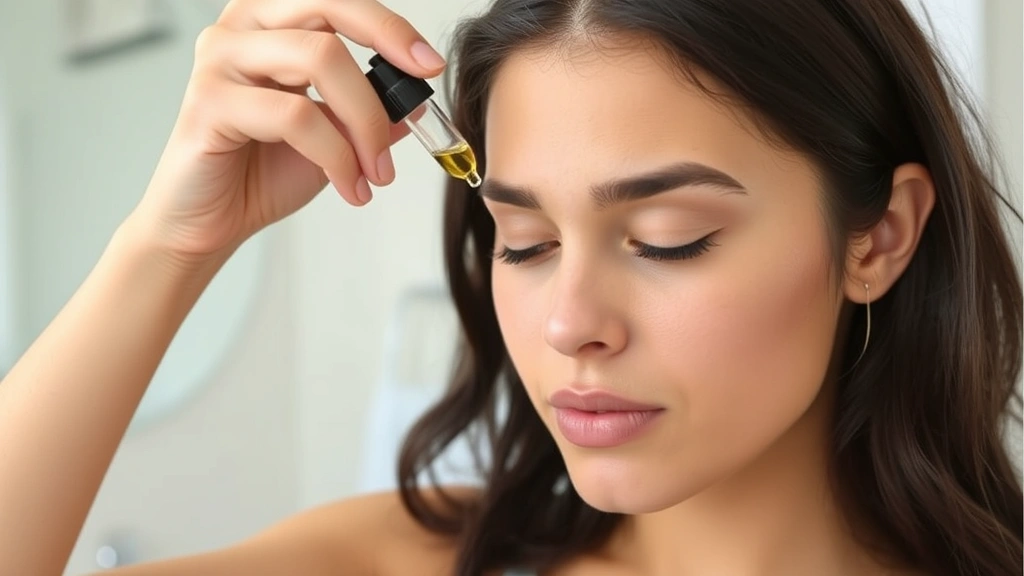
Tea Tree Oil for Hair Growth: Dermatologist Insights and Evidence-Based Solutions
Hair loss affects millions worldwide, and the search for effective natural remedies has never been more urgent. Among the countless solutions flooding the market, tea tree oil stands out as a surprisingly potent option backed by dermatological research. But does this essential oil truly deliver on its promises, or is it another wellness myth? This comprehensive guide explores what dermatologists know about tea tree oil for hair growth, revealing the science behind its effectiveness and how to use it properly.
Your journey toward healthier hair begins with understanding the root causes of hair loss and how specific botanical compounds can address them. Tea tree oil isn’t just a trendy ingredient—it’s a scientifically studied substance with documented benefits for scalp health, which directly impacts hair growth potential. Whether you’re experiencing pattern baldness, scalp inflammation, or general thinning, this guide will equip you with expert insights to make informed decisions about your hair care regimen.
Understanding Hair Growth Biology
Before exploring how tea tree oil influences hair growth, you must understand the biological mechanisms at play. Hair growth occurs in cycles: the anagen phase (active growth lasting 2-7 years), catagen phase (transition lasting weeks), and telogen phase (resting period lasting months). During the telogen phase, hair sheds naturally, and new growth begins. When this cycle becomes disrupted—whether through inflammation, hormonal imbalances, or scalp conditions—hair loss accelerates.
The scalp itself is a complex ecosystem. A healthy scalp maintains balanced pH levels, adequate sebum production, and a diverse microbiome. Inflammation, fungal overgrowth, and bacterial colonization can all disrupt this delicate balance, pushing more hair into the telogen phase prematurely. This is where botanical interventions become particularly valuable. Unlike aggressive chemical treatments, natural compounds like those in tea tree oil work with your body’s biology rather than against it.
Your commitment to personal growth extends beyond mindset—it includes caring for your physical health and appearance. Hair health represents one dimension of overall wellness that deserves serious attention and evidence-based approaches.
What Tea Tree Oil Actually Does
Tea tree oil, derived from the leaves of Melaleuca alternifolia, contains over 100 chemical compounds, with terpineol and cineole being the most bioactive. These compounds don’t magically stimulate hair follicles to produce thicker strands. Instead, they work through several interconnected mechanisms that create conditions favorable for healthy hair growth.
Antimicrobial Properties: Tea tree oil demonstrates documented activity against bacteria and fungi that commonly colonize the scalp. Research published in the Journal of Dermatological Treatment shows that tea tree oil inhibits growth of Malassezia furfur, a fungus implicated in dandruff and seborrheic dermatitis. By reducing pathogenic microorganisms, the oil helps restore scalp balance.
Anti-inflammatory Action: Scalp inflammation accelerates hair loss by disrupting the hair growth cycle. Tea tree oil’s terpineol content reduces inflammatory markers, creating a less hostile environment for hair follicles. This anti-inflammatory effect addresses one of the root causes of premature hair shedding.
Improved Circulation: The warming sensation you experience when applying tea tree oil reflects increased blood flow to the scalp. Enhanced microcirculation delivers more oxygen and nutrients to hair follicles, supporting the energy-intensive process of hair synthesis. This improved nutrient delivery can strengthen existing hair and support new growth.
Scalp Cleansing: Tea tree oil’s natural cleansing properties help remove sebum buildup, product residue, and dead skin cells that can suffocate hair follicles. A cleaner scalp environment allows follicles to function optimally, reducing the likelihood of hair loss triggered by follicle obstruction.
Dermatologist-Backed Research Findings
Dermatologists increasingly recognize tea tree oil’s potential, though they emphasize the importance of proper application and realistic expectations. Research from dermatological institutions reveals nuanced findings about this essential oil’s effectiveness.
A study published in Evidence-Based Complementary and Alternative Medicine examined tea tree oil’s effects on scalp conditions and hair health. Researchers found that participants using tea tree oil-infused shampoos experienced reduced itching, flaking, and inflammation within 4 weeks. Importantly, these improvements correlated with increased hair retention and reduced shedding rates.
Another significant finding comes from research on androgenetic alopecia (male pattern baldness). While tea tree oil cannot reverse genetic predisposition, dermatologists note that addressing scalp inflammation and optimizing scalp health can slow hair loss progression. When combined with conventional treatments like minoxidil, tea tree oil may enhance overall outcomes by creating optimal scalp conditions for medication efficacy.
Dr. Paradi Mirmirani, a respected dermatologist specializing in hair disorders, emphasizes that natural remedies work best when integrated into comprehensive hair health strategies. Tea tree oil alone won’t reverse significant hair loss, but as part of a strategic approach to achieving your goals—in this case, hair health goals—it provides measurable benefits.
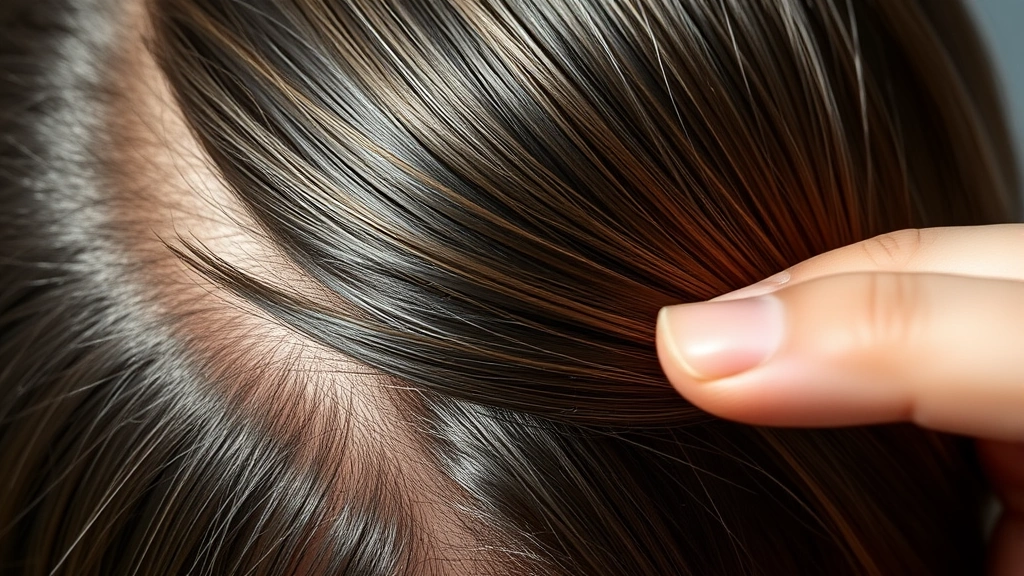
The dermatological consensus supports tea tree oil for managing scalp conditions that contribute to hair loss, particularly seborrheic dermatitis, folliculitis, and scalp psoriasis. For individuals without underlying scalp pathology, tea tree oil serves as a preventive measure and scalp health optimizer rather than a curative treatment for baldness.
How to Use Tea Tree Oil Safely
Proper application is crucial—tea tree oil is potent and requires dilution to avoid scalp irritation, allergic reactions, or contact dermatitis. Never apply undiluted tea tree oil directly to your scalp.
Dilution Guidelines: Mix tea tree oil with a carrier oil at a ratio of 1-3 drops per teaspoon of carrier oil. Excellent carrier options include coconut oil, jojoba oil, argan oil, or sweet almond oil. These carriers provide additional benefits while safely delivering tea tree oil’s active compounds to your scalp.
Application Method: Part your hair into sections and apply the diluted mixture directly to your scalp using a dropper or applicator bottle. Massage gently for 2-3 minutes to improve absorption and circulation. Leave the treatment on your scalp for 15-30 minutes, then shampoo thoroughly. Start with once-weekly applications, gradually increasing to 2-3 times weekly if your scalp tolerates it well.
Patch Testing: Before full-scalp application, test the diluted oil on a small area behind your ear or on your inner arm. Wait 24 hours to ensure no allergic reaction occurs. Some individuals experience sensitivity to tea tree oil, and patch testing prevents uncomfortable scalp reactions.
Concentration Matters: Commercial products vary significantly in tea tree oil concentration. Shampoos and conditioners typically contain lower concentrations (0.5-2%), making them suitable for regular use. Higher-concentration treatments require more careful application and less frequent use.
Duration of Use: Consistency matters more than intensity. Using tea tree oil 2-3 times weekly for 8-12 weeks allows sufficient time to observe results. Hair growth improvements typically appear after 6-8 weeks of consistent use, as you must wait for new hair to grow through the follicle to assess effectiveness.
Combining Tea Tree Oil with Other Strategies
Tea tree oil works best as part of a comprehensive hair health approach. Just as working smarter, not harder, requires integrating multiple strategies, hair growth optimization demands a multifaceted approach.
Nutritional Support: Hair growth requires specific nutrients: biotin, zinc, iron, vitamin D, and amino acids. While tea tree oil addresses scalp health externally, internal nutrition supports hair growth from within. Consider consulting a nutritionist to optimize your diet for hair health.
Stress Management: Chronic stress elevates cortisol levels, which can push hair into the telogen phase prematurely. Incorporating meditation, exercise, or other stress-reduction techniques complements topical treatments. Increasing your motivation to maintain healthy habits accelerates overall results.
Scalp Massage: Daily 5-minute scalp massages increase blood flow independent of any topical treatment. Combined with tea tree oil application, massage amplifies circulation benefits and promotes nutrient delivery to hair follicles.
Medical Treatments: For significant hair loss, combining tea tree oil with dermatologist-prescribed treatments like minoxidil (Rogaine) or finasteride (Propecia) may yield superior results. Tea tree oil optimizes scalp conditions while medical treatments address underlying biological mechanisms of hair loss.
Sleep Quality: Hair growth accelerates during sleep when growth hormone peaks. Prioritizing 7-9 hours of quality sleep supports the biological processes underlying hair synthesis and renewal.
Common Mistakes and How to Avoid Them
Many people fail to see results with tea tree oil due to preventable errors. Understanding these mistakes ensures you maximize this remedy’s potential.
Using Undiluted Oil: The most common mistake is applying pure tea tree oil directly to the scalp. This causes irritation, redness, burning sensations, and potential chemical burns. Always dilute appropriately with carrier oils.
Inconsistent Application: Hair growth optimization requires patience and consistency. Using tea tree oil sporadically—once monthly or irregularly—won’t produce measurable results. Commit to a regular schedule for 8-12 weeks minimum.
Unrealistic Expectations: Tea tree oil cannot reverse advanced male pattern baldness or regrow hair where follicles have permanently miniaturized. It optimizes conditions for existing follicles and slows loss progression, but won’t miraculously restore a full head of hair to someone experiencing significant baldness.
Ignoring Scalp Sensitivity: Some individuals naturally have sensitive scalps and may not tolerate tea tree oil well. If you experience persistent itching, redness, or irritation beyond the initial adjustment period, discontinue use and consult a dermatologist.
Neglecting Overall Hair Care: Using tea tree oil while continuing damaging practices—excessive heat styling, tight hairstyles, harsh shampoos—undermines results. Support tea tree oil with gentle hair care practices.
Using Poor-Quality Products: Not all tea tree oil products are created equal. Purchase from reputable suppliers offering third-party tested products. Low-quality oils may contain contaminants or insufficient active compounds.
When to Seek Professional Help
Tea tree oil is a valuable tool, but certain situations require professional dermatological evaluation. Recognizing when to seek expert guidance prevents wasted time on ineffective self-treatment.
Sudden Hair Loss: If you experience rapid, unexplained hair loss over weeks or months, consult a dermatologist immediately. This may indicate thyroid dysfunction, nutritional deficiencies, alopecia areata, or other conditions requiring medical intervention beyond topical remedies.
Scalp Pain or Lesions: Painful scalp conditions, open sores, or unusual lesions warrant professional evaluation. These may indicate infections, autoimmune conditions, or skin diseases requiring prescription treatments.
No Improvement After 12 Weeks: If consistent tea tree oil use produces no improvement after 3 months, your hair loss likely has causes requiring medical treatment. A dermatologist can identify underlying issues and recommend appropriate interventions from the Growth Lift Hub Blog resources or professional medical options.
Allergic Reactions: Any signs of allergy—swelling, severe itching, rash, or difficulty breathing—require immediate medical attention. Discontinue use immediately and seek emergency care if breathing is affected.
Medication Interactions: If you take medications or have medical conditions, consult your healthcare provider before using tea tree oil. Some interactions may occur, particularly with medications affecting scalp health or immune function.
FAQ
Does tea tree oil actually grow hair?
Tea tree oil doesn’t directly stimulate hair growth but creates optimal scalp conditions for existing follicles to function properly. By reducing inflammation, eliminating pathogenic microorganisms, and improving circulation, it supports the biological processes underlying hair growth. Results appear as reduced shedding and stronger, healthier hair rather than dramatic new growth.
How long does tea tree oil take to work?
Most people observe improvements in scalp health (reduced itching, flaking) within 2-4 weeks. Hair-related improvements take longer—typically 6-8 weeks—because new hair must grow through the follicle to become visible. Consistency over 8-12 weeks is necessary to fairly assess effectiveness.
Can I use tea tree oil daily?
Daily use of properly diluted tea tree oil is generally safe for most people. However, start with 2-3 times weekly to assess your scalp’s tolerance. If irritation develops, reduce frequency. Some individuals prefer 2-3 times weekly as an optimal balance between effectiveness and scalp health.
Is tea tree oil safe for all hair types?
Tea tree oil benefits all hair types, though application methods may vary. For fine or thin hair, use lighter carrier oils like jojoba. For thick or curly hair, heavier oils like coconut work well. Dilution ratios remain consistent regardless of hair type. Always patch test first.
Can tea tree oil replace medical hair loss treatments?
Tea tree oil complements but doesn’t replace medical treatments for significant hair loss. For androgenetic alopecia (genetic baldness), minoxidil and finasteride remain gold-standard treatments. Tea tree oil optimizes scalp health, potentially enhancing these treatments’ effectiveness when used together.
What’s the best carrier oil to use with tea tree oil?
All of these work well: jojoba oil (most similar to scalp sebum), coconut oil (antimicrobial properties), argan oil (nutrient-rich), and sweet almond oil (lightweight). Choose based on your hair type and scalp condition. Experiment to find what your scalp responds to best.
Will tea tree oil help with dandruff?
Yes—tea tree oil specifically addresses dandruff by combating Malassezia furfur, the fungus implicated in seborrheic dermatitis and dandruff. Many people see significant dandruff reduction within 2-4 weeks of consistent use. This scalp health improvement indirectly supports better hair growth.
Can I mix tea tree oil with my shampoo?
You can add a few drops to your regular shampoo, but this dilutes the oil further and reduces concentration. It’s more effective to use dedicated tea tree oil treatments 2-3 times weekly while using your regular shampoo on other days. This balances effectiveness with scalp health.


