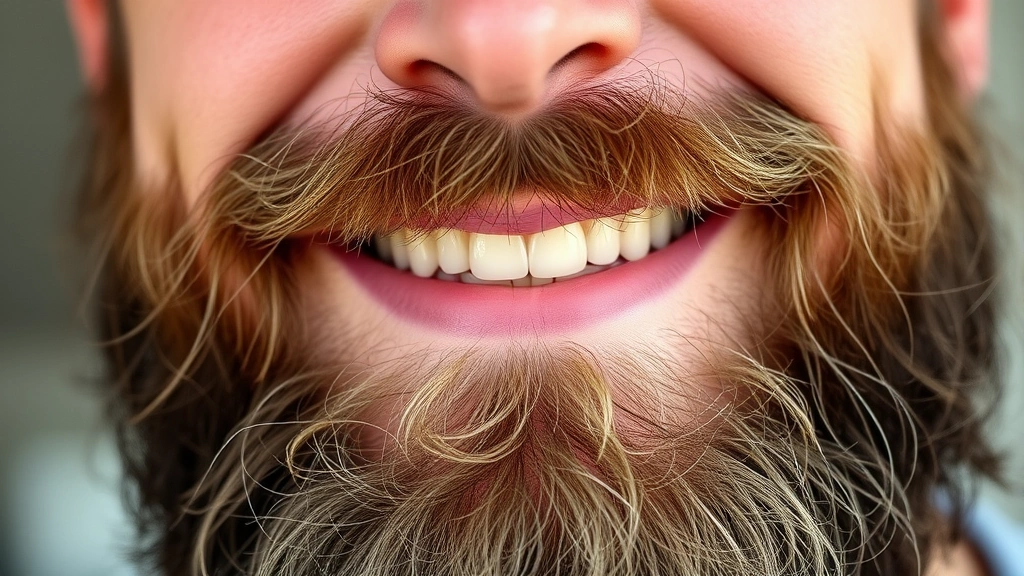
Boost Facial Hair with Multivitamins: Dermatologist Tips for Optimal Growth
Facial hair growth is influenced by genetics, hormones, and nutrition—factors that work together to determine beard thickness, density, and overall quality. While you cannot change your genetic predisposition, optimizing your nutritional intake through targeted multivitamins for facial hair growth can significantly enhance the health and appearance of your beard. Dermatologists increasingly recognize that proper supplementation addresses nutritional gaps that directly impact hair follicle function and keratin production.
The journey to a fuller, healthier beard begins from within. Many men struggle with patchy beards, slow growth rates, or weak, brittle facial hair—issues that often stem from micronutrient deficiencies rather than genetic limitations. By understanding which vitamins and minerals support facial hair development and implementing a strategic supplementation plan, you can unlock your beard’s true potential. This comprehensive guide explores dermatologist-backed strategies for using multivitamins to enhance facial hair growth.

How Multivitamins Support Beard Growth
Hair follicles are among the most metabolically active tissues in the human body, requiring consistent nutrient delivery to function optimally. Each facial hair strand grows from a follicle containing specialized cells that divide rapidly—a process demanding significant energy and micronutrient cofactors. When your body lacks essential vitamins and minerals, it prioritizes vital organs over cosmetic features like beard growth, leaving facial hair undernourished and underdeveloped.
Multivitamins work by addressing nutritional deficiencies that compromise hair follicle health. Research published in the Dermatology Practical & Conceptual journal demonstrates that men with documented micronutrient deficiencies experience slower hair growth rates and reduced hair diameter. By supplementing with a comprehensive multivitamin formula, you restore the biochemical environment necessary for robust beard development. The vitamins and minerals work synergistically—vitamin C enhances iron absorption, vitamin D regulates follicle cycling, and B vitamins facilitate energy production within hair cells.
Consider your multivitamin as nutritional insurance for your facial hair. Even with a reasonably healthy diet, modern food production methods and busy lifestyles often result in suboptimal micronutrient intake. A quality multivitamin bridges this gap, ensuring your beard receives the nutritional support it needs to grow thicker, faster, and stronger. This foundational approach complements other personal growth strategies by demonstrating how physical self-improvement requires systematic, evidence-based action.

Essential Vitamins for Facial Hair
Biotin (Vitamin B7) stands as the most researched vitamin for hair health. This water-soluble B vitamin serves as a coenzyme for fatty acid synthesis and amino acid metabolism—processes fundamental to keratin production. Keratin, the primary structural protein in hair, requires adequate biotin for optimal synthesis. Clinical studies show that men supplementing with 2.5 mg of biotin daily experience measurable improvements in hair strength and growth rate within 90 days.
Vitamin B Complex encompasses eight essential B vitamins that collectively support energy metabolism in hair follicles. Thiamine (B1), riboflavin (B2), niacin (B3), pantothenic acid (B5), and cobalamin (B12) all play critical roles in converting nutrients into cellular energy. Deficiency in any B vitamin can slow hair growth and reduce follicle activity. A comprehensive B-complex ensures your hair follicles never lack the metabolic fuel needed for continuous growth.
Vitamin A regulates sebum production in the scalp and facial skin, creating an optimal environment for beard growth. Sebum acts as a natural conditioner, protecting hair from environmental damage and maintaining follicle health. However, balance matters—excessive vitamin A can paradoxically impair hair growth. Most quality multivitamins contain 700-900 mcg of vitamin A, a safe range that supports follicle function without excess.
Vitamin C functions as a powerful antioxidant protecting hair follicles from oxidative stress. It also enhances iron absorption, a critical mineral for beard growth. Vitamin C supports collagen synthesis in the dermal papilla—the tissue structure that nourishes hair follicles. Daily supplementation with 90 mg for men ensures adequate antioxidant protection and mineral bioavailability.
Vitamin D emerges as perhaps the most underestimated vitamin for facial hair growth. This fat-soluble vitamin regulates the hair growth cycle, preventing premature entry into the telogen (shedding) phase. Research from PubMed Central indicates that vitamin D deficiency correlates with increased facial hair shedding and reduced growth rates. Optimal levels (30-50 ng/mL) support sustained beard development. Most men benefit from 1000-2000 IU daily, though some dermatologists recommend testing to determine individual needs.
Vitamin E complements vitamin C’s antioxidant functions, protecting hair follicles from free radical damage. This fat-soluble vitamin improves blood circulation to hair-bearing skin, enhancing nutrient and oxygen delivery to follicles. Daily supplementation with 15 mg supports follicle longevity and reduces hair loss rates.
When selecting a multivitamin, verify that it contains therapeutic doses of these vitamins rather than minimal amounts that fail to produce meaningful results. Many mass-market multivitamins contain suboptimal vitamin levels designed primarily to prevent deficiency diseases rather than optimize hair growth.
Critical Minerals and Micronutrients
Iron represents the most crucial mineral for beard growth. This mineral forms the core of hemoglobin, enabling red blood cells to transport oxygen to hair follicles. Iron deficiency directly impairs hair growth rate and can trigger telogen effluvium—excessive shedding. Men typically require 8 mg of iron daily, though individual needs vary based on diet and absorption capacity. Vegetarian men often benefit from higher iron supplementation due to reduced bioavailability of plant-based iron sources.
Zinc regulates multiple enzymes essential for hair growth and follicle health. This mineral supports protein synthesis, DNA replication in hair cells, and sebum production. Zinc deficiency manifests as alopecia—hair loss affecting facial hair density. Research in the Journal of Dermatological Treatment demonstrates that zinc supplementation (11 mg daily for men) significantly improves beard growth in deficient individuals. Importantly, excessive zinc can impair copper absorption, so balance remains critical.
Selenium supports thyroid function, which directly influences hair growth cycles. This trace mineral also functions as a component of selenoproteins—enzymes that protect hair follicles from oxidative damage. Daily supplementation with 55 mcg supports optimal thyroid-mediated beard growth.
Copper works synergistically with iron to support hemoglobin synthesis and collagen formation in follicle structures. Though needed in small amounts (900 mcg daily), copper deficiency can impair beard growth despite adequate iron supplementation. Quality multivitamins maintain appropriate copper-to-zinc ratios to prevent antagonistic interactions.
Magnesium facilitates over 300 enzymatic reactions, including those involved in protein synthesis and hair follicle cell division. Men require 400-420 mg daily, yet many consume insufficient magnesium through diet alone. Supplementation supports both beard growth and the stress reduction necessary for optimal hormonal balance.
Choosing the Right Multivitamin
Not all multivitamins deliver equivalent benefits for facial hair growth. The supplement industry lacks rigorous standardization, meaning product quality varies dramatically. Dermatologists recommend selecting multivitamins that meet specific criteria: third-party testing verification, therapeutic doses of key nutrients, and formulations specifically designed for hair health rather than generic wellness.
Look for third-party certification from organizations like NSF International, USP, or ConsumerLab. These certifications verify that products contain stated ingredient amounts and lack harmful contaminants. Many supplements contain fillers, binders, or heavy metals that undermine their effectiveness and potentially harm health.
Verify bioavailability forms of key nutrients. For example, chelated minerals (bound to amino acids) absorb more efficiently than inorganic mineral salts. Methylcobalamin absorbs better than cyanocobalamin for vitamin B12. Pyridoxal-5-phosphate represents the active form of vitamin B6, superior to pyridoxine hydrochloride. Premium formulations prioritize bioavailable forms, ensuring your body actually utilizes the nutrients you consume.
Assess nutrient density by comparing formulations. Hair-specific multivitamins typically contain 15-25 active ingredients at therapeutic doses, whereas generic multivitamins often contain 20+ ingredients at minimal levels. More ingredients does not mean better results—focus on formulations with adequate doses of proven hair-growth supporters.
Consider your dietary gaps when selecting supplements. Vegetarians may need additional iron and B12. Individuals with limited sun exposure require higher vitamin D. Those following low-fat diets may need supplemental fat-soluble vitamins (A, D, E, K). Personalized selection based on your specific nutritional needs produces superior results compared to one-size-fits-all approaches.
Many dermatologists recommend consulting with a registered dietitian to assess your current micronutrient status through blood work before beginning supplementation. This data-driven approach ensures you target actual deficiencies rather than guessing, optimizing both results and cost-effectiveness. Setting specific goal-setting strategies around supplementation—tracking beard growth metrics and adjusting formulations based on progress—amplifies the effectiveness of your regimen.
Dermatologist-Recommended Dosages
Optimal dosing varies based on individual factors including age, diet, absorption capacity, and existing deficiencies. However, dermatologists generally recommend the following baseline for men pursuing enhanced facial hair growth:
- Biotin: 2.5-5 mg daily (ensure this is the total from all sources including food)
- Vitamin B Complex: B1 (1.2 mg), B2 (1.3 mg), B3 (16 mg), B5 (5 mg), B6 (1.3 mg), B12 (2.4 mcg), Folate (400 mcg)
- Vitamin A: 700-900 mcg daily (as retinol or mixed carotenoids)
- Vitamin C: 90 mg daily
- Vitamin D: 1000-2000 IU daily (higher if blood levels test below 30 ng/mL)
- Vitamin E: 15 mg daily
- Iron: 8 mg daily (adjust based on dietary intake and blood ferritin levels)
- Zinc: 11 mg daily
- Selenium: 55 mcg daily
- Copper: 900 mcg daily
- Magnesium: 400-420 mg daily
These dosages represent the Recommended Dietary Allowances (RDAs) or adequate intake levels established by the National Institutes of Health. For hair growth optimization, some dermatologists recommend slightly higher biotin (up to 5 mg) and vitamin D (up to 4000 IU) within safe upper limits. Never exceed upper tolerable intake levels without medical supervision—fat-soluble vitamins (A, D, E) can accumulate to toxic levels with excessive supplementation.
Consistency matters more than perfection. Taking a quality multivitamin daily for sustained periods produces better results than sporadic high-dose supplementation. Your hair growth cycle operates on a three-to-six-month timeline, requiring sustained nutritional support throughout this period to manifest visible improvements.
Timeline for Results
Understanding realistic timelines prevents discouragement and helps you maintain commitment to your supplementation regimen. Hair growth operates according to biological cycles that cannot be accelerated beyond natural limits, but optimization through proper nutrition maximizes growth rate within your genetic potential.
Weeks 1-4: Initial supplementation typically produces no visible beard changes during this period. However, internal biochemical changes occur immediately. Your hair follicles begin receiving consistent micronutrient delivery, enzyme systems activate, and cellular energy production increases. Many men report improved overall energy and better skin health during this phase.
Weeks 5-8: Subtle improvements may become apparent to the discerning observer. Existing facial hair may appear slightly thicker or shinier as improved nutrition enhances the health of active growth-phase hairs. Shedding may temporarily increase as your follicles cycle out damaged hairs in favor of healthier replacements—a positive sign of improved follicle function.
Weeks 9-12: Visible improvements typically emerge by the three-month mark. Beard growth rate increases noticeably, and new hairs fill in previously sparse areas. The overall beard appears denser and fuller. This represents the completion of one full hair growth cycle, allowing new, nutrient-optimized hairs to fully develop.
Months 4-6: Significant, measurable improvements become apparent. Men often report needing to trim their beards more frequently due to accelerated growth. Previously patchy areas fill in substantially. Hair texture improves—less brittleness, better moisture retention, enhanced shine.
Months 6+: Long-term supplementation produces cumulative effects. Your entire beard represents hairs grown under optimized nutritional conditions. Maximum density improvements manifest, and overall beard quality reaches its genetic potential. Continued supplementation maintains these improvements indefinitely.
Patience represents a critical success factor. Many men discontinue supplementation prematurely, expecting results within weeks when biological processes require months. Committing to consistent supplementation for at least 90 days before assessing results ensures you provide adequate time for biochemical changes to manifest in visible beard improvements.
Lifestyle Factors That Amplify Results
Multivitamins work most effectively within a comprehensive lifestyle framework supporting overall health and hormonal balance. Several factors dramatically amplify supplementation benefits:
Sleep Quality and Duration fundamentally impacts beard growth through hormonal regulation. During deep sleep, your body releases growth hormone and testosterone—hormones directly influencing facial hair development. Men sleeping fewer than 7 hours nightly experience reduced beard growth rates and compromised micronutrient absorption. Prioritize consistent sleep schedules and create optimal sleep environments to maximize supplementation effectiveness. This commitment to self-improvement aligns with broader motivation-building strategies that recognize health as foundational to achievement.
Stress Management profoundly affects facial hair growth through cortisol elevation. Chronic stress triggers telogen effluvium and impairs nutrient absorption, directly opposing your supplementation efforts. Implementing stress-reduction practices—meditation, exercise, time in nature—protects your multivitamin investment and enhances results. Research from the American Journal of Clinical Nutrition demonstrates that stressed individuals absorb micronutrients less efficiently despite adequate supplementation.
Regular Exercise improves blood circulation throughout your body, enhancing nutrient and oxygen delivery to facial hair follicles. Cardiovascular exercise increases heart rate and blood flow, while resistance training stimulates testosterone production—a hormone critical for beard growth. Men exercising 150+ minutes weekly report superior beard growth compared to sedentary peers, even with identical supplementation. Exercise also reduces stress and improves sleep quality, creating a synergistic effect amplifying all benefits.
Nutritional Foundation matters tremendously. Multivitamins supplement but do not replace a healthy diet. Focus on nutrient-dense whole foods: lean proteins supporting hair structure, fatty fish providing omega-3 fatty acids that reduce inflammation, leafy greens offering bioavailable minerals, and legumes supplying iron and zinc. A multivitamin optimizes an already-solid diet; it cannot compensate for consistently poor nutrition. This principle mirrors how working smarter, not harder requires foundational systems before optimization techniques prove effective.
Hydration Status impacts micronutrient absorption and follicle function. Dehydration reduces blood volume and nutrient delivery to hair follicles. Men should consume at least 15-17 cups of water daily, adjusting for exercise and climate. Proper hydration ensures your multivitamin nutrients reach target tissues efficiently.
Limiting Alcohol and Smoking protects your supplementation investment. Alcohol impairs nutrient absorption and increases oxidative stress in hair follicles. Smoking reduces blood oxygen levels and accelerates follicle aging. These habits directly oppose the benefits you’re working to achieve through supplementation. Minimizing or eliminating these substances amplifies results significantly.
Scalp and Facial Skin Care complements internal supplementation. Keep your face clean with gentle cleansers, exfoliate weekly to remove dead skin cells that block follicle function, and moisturize to maintain skin barrier health. Some dermatologists recommend topical treatments like minoxidil (Rogaine) or derma rolling to further enhance beard growth when combined with oral supplementation. These external approaches work synergistically with internal nutrition optimization.
FAQ
Can multivitamins alone grow a full beard if I have patchy facial hair?
Multivitamins optimize growth within your genetic potential but cannot create hair where your genetics forbid it. If you have completely hairless patches due to genetic factors, supplementation will improve density in areas with existing follicles but likely won’t activate dormant follicles in truly bare regions. However, many men perceive patchy beards as more sparse than they actually are due to poor nutrition—supplementation often reveals hidden density potential. If after 6 months of consistent supplementation and healthy lifestyle practices you still have significant bare patches, consult a dermatologist about additional treatments like minoxidil or PRP therapy.
How long should I take multivitamins for beard growth?
Ideally, indefinitely. Hair follicles continuously require micronutrient support to maintain growth and health. Discontinuing supplementation after achieving desired beard appearance often results in gradual regression as follicles revert to suboptimal nutrient status. Many men treat multivitamins as permanent lifestyle investments rather than temporary interventions. If cost concerns arise, prioritize biotin, vitamin D, zinc, and iron—the most impactful nutrients for beard growth.
Can I take too much of these vitamins?
Yes. Fat-soluble vitamins (A, D, E, K) accumulate in body tissues and can reach toxic levels with excessive supplementation. Water-soluble vitamins (B complex, vitamin C) excrete through urine, making overdose less likely but still possible. Biotin, for instance, can interfere with thyroid tests at very high doses. Stick to recommended dosages and avoid combining multiple supplements without understanding total nutrient intake. If taking individual supplements plus a multivitamin, track total daily intake to prevent exceeding safe upper limits.
Should I get blood work before starting multivitamins?
Dermatologists increasingly recommend baseline blood work to identify specific deficiencies before supplementation. Testing reveals your iron, zinc, vitamin D, and B12 status, allowing personalized supplementation targeting your actual needs. This approach costs $100-300 upfront but prevents wasting money on supplements you don’t need while ensuring you adequately address deficiencies. Many functional medicine practitioners and dermatologists offer comprehensive micronutrient panels specifically for this purpose.
Do beard growth vitamins work for scalp hair too?
Absolutely. The same micronutrients supporting facial hair growth benefit scalp hair equally. Men taking multivitamins for beard improvement often notice thicker scalp hair, improved hair texture, and reduced hair loss. The formulations are essentially identical—hair is hair, regardless of location. Some men use beard-specific marketing as motivation to commit to supplementation that benefits their entire body.
Can women use these same multivitamins?
Most nutrients remain the same, but dosages differ due to different RDAs. Women require 8 mg of iron pre-menopause (same as men), 18 mg during reproductive years, and 8 mg post-menopause. Zinc requirements are 8 mg for women versus 11 mg for men. Women interested in hair growth should consult their healthcare provider about appropriate formulations, as some ingredients (like high-dose biotin) may interfere with hormonal contraceptives or other medications.
How do I know if my multivitamin is actually working?
Track objective metrics: measure beard length monthly, photograph your beard from consistent angles and lighting, assess growth rate (how frequently you need to trim), and evaluate hair texture and thickness. Many men maintain a simple spreadsheet documenting these metrics. After 3-4 months, you should observe measurable improvements in at least some categories. If you see no changes after 6 months despite consistent supplementation and healthy lifestyle practices, consult a dermatologist—you may have underlying health conditions or absorption issues requiring medical intervention.


