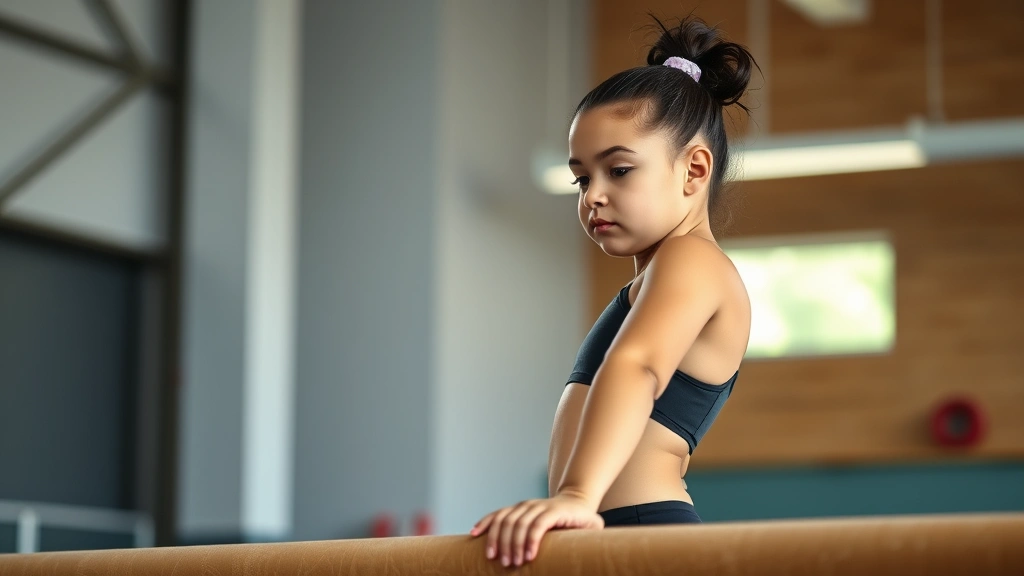
Does Gymnastics Stunt Growth? Scientific Insights and Evidence-Based Facts
The question of whether gymnastics stunts growth has persisted for decades, creating anxiety among parents considering this sport for their children. This concern often stems from observing elite gymnasts who tend to be shorter than average, leading to the assumption that the sport itself inhibits vertical growth. However, the scientific reality is far more nuanced and reassuring than popular myths suggest.
Understanding the relationship between gymnastics and growth requires examining genetics, training intensity, nutrition, and the selection bias inherent in elite sports. Rather than gymnastics causing stunted growth, evidence points to natural selection—taller individuals may self-select out of the sport due to biomechanical disadvantages, while shorter athletes naturally gravitate toward and excel in gymnastics. This article explores the science behind this common misconception and provides parents with evidence-based information to make informed decisions about their children’s athletic pursuits.
The Myth vs. The Science: Separating Fact from Fiction
For generations, parents have worried that intensive gymnastics training could stunt their child’s growth. This persistent myth likely originated from observing professional gymnasts, who are typically shorter than the general population. The conclusion seemed logical: if gymnasts are short, then gymnastics must make people short. However, this represents a classic case of confusing correlation with causation.
Research from sports science institutions consistently shows that gymnastics does not stunt growth. According to studies published in the Journal of Sports Sciences, there is no physiological mechanism by which gymnastics training inhibits longitudinal bone growth in children. The American Academy of Pediatrics has not identified gymnastics as a growth-inhibiting activity when properly structured and age-appropriate.
The confusion arises because elite gymnasts tend to be shorter, but this reflects selection bias rather than causation. Shorter individuals have biomechanical advantages in gymnastics—better leverage for flips, easier balance maintenance, and reduced stress on joints during high-impact movements. Conversely, taller individuals often naturally progress toward sports like basketball or volleyball where their height provides advantages.
Understanding this distinction is crucial for parents considering gymnastics for their children. The sport offers tremendous benefits including personal growth opportunities, improved strength, flexibility, and mental resilience—without the growth-stunting risks that myths suggest.
How Growth Actually Works: The Biology Behind Height
To understand whether gymnastics affects growth, we must first comprehend how children actually grow taller. Height is determined by the lengthening of bones, specifically through the growth plates (epiphyseal plates) located near the ends of long bones. These specialized areas of cartilage remain active until late adolescence, typically closing between ages 16-20 in girls and 18-22 in boys.
During childhood and adolescence, growth plates continuously produce new bone cells through a process called endochondral ossification. This natural process is governed by several factors:
- Genetics: Approximately 80% of height variation is determined by inherited factors from parents
- Nutrition: Adequate protein, calcium, vitamin D, and calories are essential for bone development
- Sleep: Growth hormone is primarily released during deep sleep stages
- Overall health: Chronic illnesses or hormonal imbalances can affect growth
- Physical activity: Moderate exercise actually stimulates bone density and healthy growth
Importantly, physical activity—including gymnastics—does not close or damage growth plates in healthy children. In fact, weight-bearing exercise and resistance training during childhood and adolescence strengthen bones and promote optimal bone density development. This is supported by research from the National Institutes of Health on pediatric bone development.
The growth plates themselves are remarkably resilient structures designed to withstand significant forces. They only become vulnerable to injury through acute trauma (like a fall or collision) rather than through normal training loads. Proper gymnastics coaching ensures movements are age-appropriate and progressively challenging, protecting these sensitive structures.
Selection Bias in Elite Gymnastics: Why Gymnasts Are Shorter
The most compelling explanation for why elite gymnasts tend to be shorter involves understanding selection bias and biomechanical advantages. This phenomenon is well-documented in sports science literature and explains the apparent paradox without invoking growth-inhibiting mechanisms.
Shorter stature provides distinct advantages in gymnastics:
- Improved leverage: Shorter limbs create mechanical advantages for rotational movements and flips
- Lower center of gravity: Easier balance maintenance on beam and reduced injury risk during falls
- Reduced joint stress: Less distance for limbs to travel means lower impact forces on knees, ankles, and shoulders
- Easier skill progression: Shorter athletes typically learn complex skills faster due to biomechanical advantages
- Natural selection: Taller children often gravitate toward sports where height is advantageous
Consider this from a developmental perspective: a tall, naturally gifted child might begin gymnastics training at age six. By age ten, they may notice that their height makes certain skills more difficult compared to shorter peers. Simultaneously, they might discover that basketball or volleyball better suits their physiology. Over time, this creates a population of elite gymnasts that skews toward shorter individuals—not because gymnastics stunted their growth, but because taller individuals self-selected into different sports.
Research examining this phenomenon, published in the Sports Medicine journal, confirms that selection bias accounts for height differences in gymnasts rather than training effects. Athletes are naturally selected into sports matching their physical characteristics, not modified by the sports themselves.
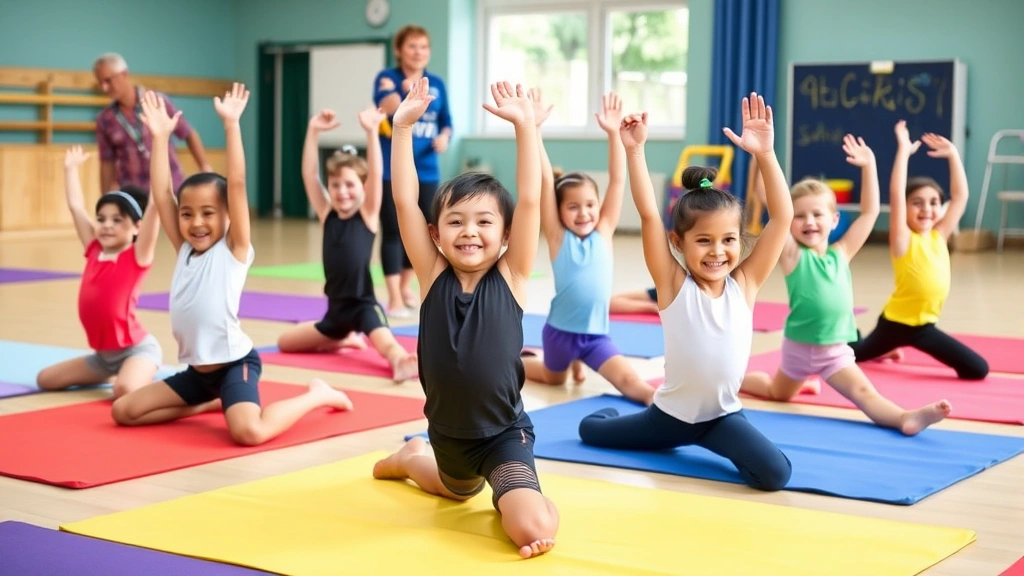
Impact of Training on Growth Plates: What Research Reveals
One of the primary concerns parents express involves potential damage to growth plates from intensive gymnastics training. This concern, while understandable, is largely unfounded when training is age-appropriate and properly supervised.
Growth plate injuries in gymnastics are rare and typically result from acute trauma rather than normal training loads. According to pediatric orthopedic research, growth plate injuries account for only 10-15% of all pediatric fractures, and the majority occur from falls or collisions rather than overuse.
The key factors protecting growth plates during gymnastics training include:
- Progressive overload: Proper coaching introduces skills gradually, allowing bones and connective tissues to adapt
- Age-appropriate progressions: Young gymnasts learn basic movements before attempting complex skills
- Adequate recovery: Quality training programs include rest days and deload weeks
- Proper technique: Correct form distributes forces across joints rather than concentrating stress
- Individual variation: Coaches should recognize that growth rates vary and adjust training accordingly
What actually happens during proper training is that bones become stronger and denser. Weight-bearing exercise stimulates osteoblasts (bone-building cells) to increase bone mineral density. This means gymnastics-trained children often develop superior skeletal strength compared to sedentary peers—a significant health advantage extending throughout life.
The concern about growth plate closure is similarly unfounded. Growth plates close at predetermined times based primarily on genetics and hormonal factors (particularly sex hormones during puberty), not training volume. No amount of gymnastics training will prematurely close growth plates in healthy children.
Nutritional Considerations: Fueling Growth and Training
While gymnastics itself doesn’t stunt growth, inadequate nutrition could theoretically compromise growth potential. This is where parental attention becomes genuinely important. Young gymnasts have increased caloric and nutrient demands compared to sedentary children, and meeting these needs is essential for both optimal growth and training performance.
Critical nutrients for growth and gymnastics training include:
- Protein: Essential for muscle repair and bone development (1.2-1.6g per kg body weight for young athletes)
- Calcium: Primary component of bone mineral, with 1,000-1,300mg daily recommended for growing children
- Vitamin D: Enables calcium absorption and supports immune function (600-800 IU daily)
- Iron: Especially important for female athletes; supports oxygen transport and energy production
- Carbohydrates: Fuel for training and recovery (55-65% of total calories)
- Healthy fats: Support hormone production and nutrient absorption
Parents should focus on ensuring their young gymnasts eat balanced meals including whole grains, lean proteins, fruits, vegetables, and dairy products. Restrictive dieting or excessive focus on body weight can indeed compromise growth and development—but this results from nutritional insufficiency, not from gymnastics training itself.
Athletes interested in growth mindset approaches should extend this philosophy to nutrition, viewing food as fuel for development rather than something to restrict. This positive relationship with nutrition supports both athletic performance and healthy growth.
Hormonal Factors and Exercise: Understanding the Connection
Exercise, including gymnastics training, influences various hormonal systems that regulate growth. Understanding these relationships helps clarify why gymnastics doesn’t stunt growth and may actually optimize growth potential.
Key hormonal considerations include:
Growth Hormone (GH): Moderate to intense exercise stimulates growth hormone release, particularly during sleep following training. This is beneficial for growth. Excessive overtraining without adequate recovery can suppress GH, but properly structured gymnastics programs include sufficient rest.
Thyroid Hormones: Exercise supports healthy thyroid function, which regulates metabolic rate and growth. Young athletes with healthy training patterns typically maintain optimal thyroid function.
Sex Hormones: Physical activity can slightly delay menarche (first menstruation) in elite female athletes, but this reflects training intensity and body composition rather than growth stunting. Once menstruation begins, growth velocity naturally decreases regardless of athletic activity—this is normal pubertal development, not a gymnastics effect.
Research published in the Sports journal examining hormonal responses to training confirms that properly structured exercise enhances rather than inhibits growth-promoting hormonal patterns.
The crucial distinction is between moderate training with adequate recovery and overtraining without sufficient rest. Overtraining can suppress growth hormone and increase cortisol (stress hormone), potentially compromising growth. However, this applies to any sport and results from poor program design, not from gymnastics specifically.
Age-Appropriate Training Guidelines: Protecting Young Athletes
Rather than fearing gymnastics will stunt growth, parents should focus on ensuring training is age-appropriate and properly structured. Evidence-based guidelines help maximize benefits while protecting developing bodies.
Ages 4-6 (Beginner Level):
- Focus on basic movement patterns, balance, and spatial awareness
- Limit structured training to 1-2 hours per week
- Emphasize fun and play rather than skill progression
- No complex skills or high-impact movements
Ages 7-9 (Intermediate Level):
- Introduce fundamental gymnastics skills (cartwheels, basic rolls)
- Increase to 3-4 hours per week if child shows interest
- Develop strength and flexibility through varied activities
- Maintain playful approach while building technical foundation
Ages 10-12 (Developing Level):
- Progress to more advanced skills with proper progressions
- 4-6 hours per week appropriate for committed athletes
- Introduce structured conditioning and flexibility work
- Monitor for overuse injuries and ensure adequate recovery
Ages 13+ (Advanced Level):
- More intensive training (6-10+ hours weekly) for elite-track athletes
- Structured periodization with planned recovery phases
- Nutritional counseling and injury prevention strategies
- Balance training with school, sleep, and social activities
Across all age groups, essential principles include:
- Qualified coaching: Certified coaches understand developmental progressions and injury prevention
- Adequate rest: At least one rest day weekly; sleep is crucial for growth
- Variety: Cross-training in other activities prevents overuse injuries
- Communication: Regular check-ins about pain, fatigue, or concerns
- Realistic expectations: Not every child will become elite; focus on enjoyment and development
Parents exploring athletic options for their children might also consider how sports participation supports broader personal development goals beyond physical growth. Gymnastics builds confidence, resilience, and problem-solving skills that contribute to overall growth as a person.
FAQ
Does gymnastics stunt growth in children?
No. Scientific research consistently shows gymnastics does not stunt growth. The shorter stature of elite gymnasts results from selection bias—shorter individuals have biomechanical advantages in gymnastics and naturally gravitate toward the sport, while taller individuals progress to other sports. Growth plates are not damaged by proper gymnastics training, and exercise actually promotes bone strength and density.
At what age should children start gymnastics?
Most children can begin basic gymnastics between ages 3-4 with parent-child classes or recreational programs. Structured gymnastics training typically begins around age 6-7. The focus at young ages should be on fundamental movement skills, balance, and enjoyment rather than complex skill progression.
Can intensive gymnastics training delay growth?
Proper gymnastics training does not delay growth. However, overtraining without adequate nutrition, sleep, or recovery could theoretically compromise growth potential through hormonal disruption. This is why balanced training programs with sufficient rest days, proper nutrition, and adequate sleep are essential.
What nutritional needs do young gymnasts have?
Young gymnasts require adequate protein (for muscle and bone development), calcium and vitamin D (for bone health), iron (especially for female athletes), and sufficient total calories to support both training and growth. A balanced diet with whole grains, lean proteins, fruits, vegetables, and dairy products typically meets these needs without special supplementation.
How do I know if my child’s gymnastics training is appropriate?
Age-appropriate training should include qualified coaching, progressive skill development, adequate rest days, skills matching the child’s developmental stage, and an emphasis on enjoyment alongside performance. If your child reports persistent pain, seems constantly fatigued, or loses interest in the sport, discuss concerns with coaches and consider adjusting training volume.
Can gymnastics improve bone health?
Yes. Weight-bearing exercise like gymnastics stimulates bone development and increases bone mineral density. This is particularly beneficial during childhood and adolescence when bone is still developing. Strong bones developed through gymnastics training provide lifelong health benefits.
Does gymnastics affect puberty or menstruation?
Elite-level female gymnasts may experience slightly delayed menarche compared to non-athletes, primarily due to intense training volume and lower body fat percentage. This is not harmful and represents normal variation in pubertal timing. Once menstruation begins, it typically continues normally even with continued training.
What should I do if I’m concerned about my child’s growth?
If you have concerns about your child’s growth trajectory, consult with your pediatrician. They can assess growth patterns, rule out underlying conditions, and provide guidance. A pediatrician can also help determine whether gymnastics training volume is appropriate for your child’s individual needs and development.


