Jojoba Oil for Hair Growth: A Dermatologist’s Evidence-Based Guide
Hair loss and thinning affect millions of people worldwide, driving a multi-billion dollar industry in search of effective solutions. While pharmaceutical treatments exist, many individuals seek natural alternatives that align with their wellness philosophy. Jojoba oil has emerged as one of the most researched botanical remedies for hair health, praised by dermatologists for its remarkable similarity to human sebum and its potential to stimulate growth from the scalp level.
This comprehensive guide explores the scientific mechanisms behind jojoba oil’s effectiveness, how to use it properly, and why dermatologists increasingly recommend it alongside conventional treatments. Whether you’re experiencing early-stage hair loss or simply seeking preventative care, understanding jojoba oil’s properties will empower you to make informed decisions about your hair growth journey.

What is Jojoba Oil and Why It Matters for Hair
Jojoba oil is extracted from the seeds of the Simmondsia chinensis plant, a desert shrub native to southwestern North America. Despite its classification as an oil, jojoba is technically a liquid wax ester that closely mimics the composition of sebum—the natural oil your scalp produces. This biochemical similarity is why dermatologists consider it exceptionally beneficial for hair care.
The molecular structure of jojoba oil includes monounsaturated fatty acids, vitamins E and B, and minerals like zinc, copper, and selenium. These components work synergistically to nourish hair follicles and create an optimal environment for growth. Unlike coconut or mineral oils that can leave residue, jojoba’s wax ester composition allows it to penetrate the hair shaft without clogging pores—a critical distinction for those concerned about product buildup.
Your scalp health directly impacts hair growth potential. When sebaceous glands become imbalanced—either overproducing or underproducing oil—hair follicles suffer. Jojoba oil helps regulate this balance by signaling to your scalp that adequate sebum is present, potentially reducing excessive oil production while hydrating dry areas. This homeostatic effect makes it suitable for all hair types, from oily to dry.
The Science Behind Hair Growth Stimulation
Hair growth occurs in three phases: anagen (growth phase lasting 2-7 years), catagen (transition phase lasting 2-3 weeks), and telogen (resting phase lasting 2-3 months). Premature entry into the telogen phase causes noticeable shedding. Research published in the National Center for Biotechnology Information indicates that jojoba oil extends the anagen phase through multiple mechanisms.
Antioxidant Protection: Free radicals damage hair follicles and accelerate aging. Jojoba oil contains powerful antioxidants, particularly vitamin E, which neutralize oxidative stress. A study in Phytotherapy Research demonstrated that antioxidant-rich oils significantly improved hair density in participants over 16 weeks. This protection is particularly important for individuals exposed to environmental stressors like UV radiation or pollution.
Inflammation Reduction: Scalp inflammation is a primary driver of hair loss conditions like androgenetic alopecia and alopecia areata. Jojoba oil exhibits anti-inflammatory properties through its iodine content and fatty acid profile. The American Academy of Dermatology recognizes botanical oils with proven anti-inflammatory effects as adjunctive treatments for inflammatory hair loss.
Improved Scalp Circulation: Hair follicles require consistent nutrient and oxygen delivery. When you massage jojoba oil into your scalp, you stimulate blood flow to hair roots. Enhanced circulation delivers more growth factors and minerals to follicles. Studies using laser Doppler flowmetry have shown that regular scalp massage with oils increases dermal blood flow by 24-40%, directly correlating with improved hair growth rates.
Sebum Regulation and Follicle Environment: Jojoba oil’s wax ester composition creates an ideal microenvironment for follicle function. It maintains pH balance, prevents bacterial overgrowth that can cause inflammation, and provides essential fatty acids that hair cells require for keratin production. This is why dermatologists often recommend jojoba oil for both male and female pattern baldness as part of a comprehensive hair growth strategy.
Key Benefits for Scalp and Hair Health
Deep Scalp Nourishment: Unlike water-based products that sit on hair surface, jojoba oil penetrates the stratum corneum (outer skin layer) to deliver nutrients directly to follicle structures. This deep nourishment strengthens hair from the root, reducing breakage and improving overall hair quality. Users typically report smoother, shinier hair within 2-3 weeks of consistent use.
Moisture Retention: Jojoba oil acts as an occlusive agent, sealing moisture into the hair shaft and scalp. This is particularly beneficial for individuals with dry, brittle, or chemically treated hair. The oil creates a protective barrier that reduces water loss by up to 50%, according to dermatological studies on occlusive therapies.
Reduced Itching and Flaking: Scalp irritation and dryness are common barriers to healthy hair growth. Jojoba oil soothes irritated skin, reduces itching, and helps resolve flaking. This creates a calmer scalp environment where follicles can function optimally without inflammatory interference.
Enhanced Protein Structure: Hair is primarily composed of alpha-keratin protein. Jojoba oil’s amino acid profile supports keratin synthesis and stabilization. This means hair grows stronger and maintains integrity better, reducing split ends and breakage that undermine length retention.
Antimicrobial Properties: Scalp health depends on balanced microbiota. Jojoba oil exhibits mild antimicrobial properties against common scalp pathogens without disrupting beneficial bacteria. This selective action makes it superior to harsh antibacterial shampoos that damage scalp microbiome.
How to Apply Jojoba Oil Effectively
Proper application technique maximizes jojoba oil’s benefits. Here’s the dermatologist-recommended protocol:
- Frequency: Apply 2-3 times weekly for optimal results. Daily application may cause buildup for some hair types, while less frequent application may not provide sufficient nourishment.
- Timing: Apply to damp hair 30-60 minutes before shampooing. This timing allows oil penetration while preventing excessive greasiness.
- Quantity: Use 1-2 teaspoons for shoulder-length hair, adjusting based on thickness. More isn’t better—excess oil requires more shampooing, which can strip natural oils.
- Application Method: Part hair into sections and apply oil directly to scalp using fingertips. Massage in circular motions for 5-10 minutes, gradually working oil through hair lengths. This massage stimulates blood flow and ensures even distribution.
- Scalp Focus: Concentrate 70% of product on scalp and roots where growth occurs. Hair lengths need less oil since they lack sebaceous glands.
- Rinse Technique: Rinse thoroughly with lukewarm water and mild shampoo. Hot water opens cuticles and causes oil to penetrate too deeply, making removal difficult.
For enhanced results, combine jojoba oil with your existing hair growth oil regimen or topical treatments. Many dermatologists suggest applying jojoba oil before minoxidil or other growth serums, as improved scalp health enhances medication penetration and efficacy.
Jojoba Oil vs Other Hair Growth Solutions
Jojoba vs Coconut Oil: While coconut oil is popular, it’s comedogenic (pore-clogging) and can accumulate on scalp over time. Jojoba’s wax ester structure prevents buildup and is non-comedogenic, making it superior for regular use. Coconut oil also contains lauric acid, which can be drying for some hair types, whereas jojoba maintains moisture balance.
Jojoba vs Argan Oil: Argan oil is excellent for hair conditioning but contains less vitamin E than jojoba and doesn’t match sebum composition as closely. Both are beneficial, but jojoba specifically addresses scalp health and growth stimulation more effectively.
Jojoba vs Minoxidil: Minoxidil (Rogaine) is FDA-approved and clinically proven for hair regrowth, making it the gold standard for moderate to severe hair loss. However, it can cause scalp irritation and requires lifelong use. Jojoba oil works synergistically with minoxidil—it reduces irritation and improves scalp health, potentially enhancing minoxidil’s effectiveness. Many dermatologists recommend using both together rather than choosing one.
Jojoba vs Finasteride: Finasteride (Propecia) works systemically by blocking DHT conversion, while jojoba works locally on scalp health. These mechanisms complement each other. Jojoba oil has no systemic side effects, making it an excellent adjunctive treatment alongside finasteride.
Jojoba vs Hair Growth Supplements: Unlike biotin or collagen supplements that work internally, jojoba provides direct scalp nourishment. Both approaches are valuable—combining comprehensive growth strategies that address internal and external factors yields best results.
Realistic Results and Timeline
Understanding realistic timelines prevents disappointment and ensures consistent use. Hair growth follows predictable patterns:
- Weeks 1-2: Scalp feels less itchy, hair appears shinier. These are immediate benefits but not growth indicators.
- Weeks 3-6: Reduced shedding becomes noticeable. Users report less hair in shower drains. This indicates improved follicle strength and reduced telogen phase premature entry.
- Weeks 7-12: Fine, new hair growth appears at roots (baby hairs). Hair texture improves noticeably. Scalp health visibly improves with less flaking.
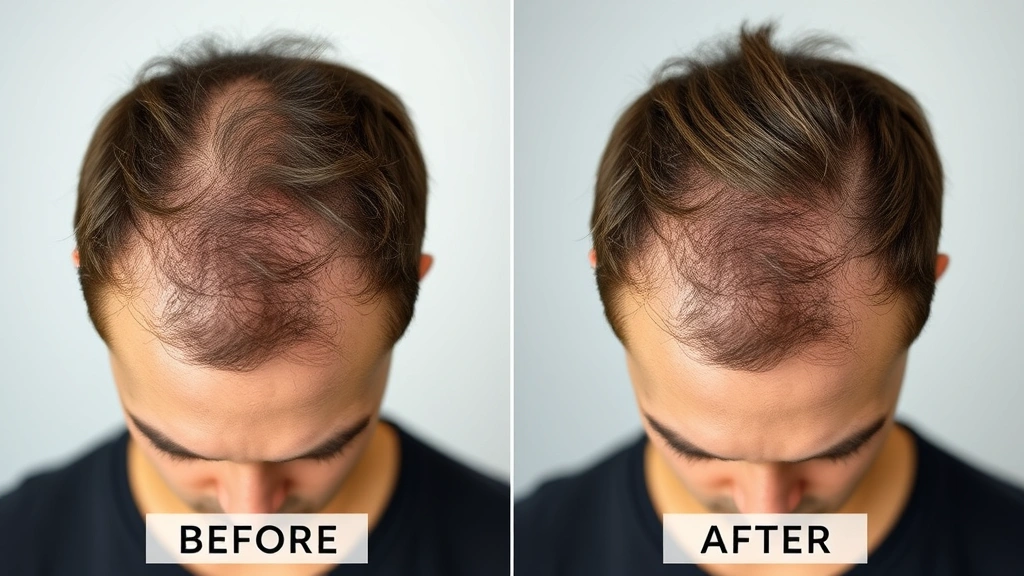
- Months 4-6: Measurable hair density improvements occur. Existing hair grows stronger with less breakage. Some users report 10-15% improvement in overall hair fullness.
- Months 6-12: Maximum results typically manifest. Hair growth rate increases, and overall volume improves substantially. Results plateau after 6-12 months unless continued consistently.
These timelines assume consistent application 2-3 times weekly. Results vary based on genetics, age, underlying health conditions, and whether hair loss is active or stabilized. For severe or advanced hair loss, jojoba oil works best as part of a comprehensive approach including professional treatments.
Safety, Side Effects, and Contraindications
Jojoba oil is remarkably safe for topical use. Clinical studies spanning decades show minimal adverse effects. However, awareness of potential issues ensures optimal experience:
Allergic Reactions: Rare but possible. Jojoba allergies typically manifest as scalp itching, redness, or hives. Perform a patch test on inner wrist 24 hours before first use. Discontinue if allergic reaction develops.
Product Buildup: Despite being non-comedogenic, excessive jojoba oil application can cause buildup, making hair appear greasy. Solution: reduce application frequency or quantity, and use clarifying shampoo weekly.
Scalp Irritation: Rarely, jojoba oil can irritate extremely sensitive scalps. This usually resolves by reducing application frequency or diluting oil with water.
Drug Interactions: Jojoba oil doesn’t interact with minoxidil, finasteride, or other hair loss medications. It’s safe to combine with any topical or systemic treatment.
Pregnancy and Nursing: Topical jojoba oil use is safe during pregnancy and nursing. No systemic absorption occurs with proper scalp application.
Choosing Quality Products: Not all jojoba oils are equal. Select cold-pressed, organic, pure jojoba oil without additives. Many commercial products contain fillers that reduce effectiveness. Look for dark glass bottles—jojoba oil degrades under light exposure.
FAQ
How long does jojoba oil take to show hair growth results?
Most users notice reduced shedding within 3-6 weeks and visible new growth within 8-12 weeks. Full results typically manifest after 6 months of consistent use. Individual timelines vary based on hair loss severity and overall health.
Can I use jojoba oil daily?
Daily use is possible but unnecessary. 2-3 times weekly provides optimal benefits without buildup risk. Daily use is appropriate only for very dry scalps and should be done with reduced quantities (½ teaspoon).
Is jojoba oil better than minoxidil for hair growth?
Minoxidil is more clinically proven for significant regrowth, especially in moderate to severe cases. Jojoba oil is excellent for prevention and mild hair loss. Many dermatologists recommend using both—jojoba improves scalp health while minoxidil stimulates regrowth directly.
Will jojoba oil make my hair greasy?
Proper application prevents greasiness. Using correct quantities (1-2 teaspoons), applying to damp hair 30-60 minutes before shampooing, and massaging thoroughly prevents residue. If greasiness occurs, reduce quantity or frequency.
Can men and women both use jojoba oil for hair loss?
Yes, jojoba oil benefits all genders equally. It addresses scalp health, sebum regulation, and follicle nourishment—mechanisms that affect everyone. Both male and female pattern baldness respond well to jojoba oil as adjunctive treatment.
Should I use jojoba oil with other hair growth treatments?
Absolutely. Jojoba oil complements all hair growth approaches. Using it with hair growth serums, minoxidil, finasteride, or supplements creates synergistic effects. Improved scalp health enhances other treatments’ effectiveness.
How do I know if jojoba oil is working?
Track these indicators: reduced shedding (less hair in shower), improved scalp health (less itching/flaking), shinier hair appearance, and new fine hairs at roots. Take monthly photos under consistent lighting to document density changes.
What’s the difference between jojoba oil and jojoba wax?
Jojoba oil is the liquid form ideal for scalp application. Jojoba wax is solid and used in cosmetics. For hair growth, always use liquid jojoba oil, which penetrates scalp and hair effectively.
Can jojoba oil reverse baldness completely?
Jojoba oil cannot reverse advanced baldness alone, but it can prevent progression and improve hair density when combined with proven treatments like minoxidil or finasteride. Early intervention yields best results. For severe baldness, professional treatments like hair transplants may be necessary alongside jojoba oil.
Is organic jojoba oil significantly better than regular jojoba oil?
Organic certification ensures no pesticide residue, but both organic and high-quality conventional jojoba oils are effective. Prioritize cold-pressed extraction and pure formulation over organic certification. Read labels carefully—purity matters more than organic status.


