Does Hair Growth Shampoo Work? Dermatologist Insights for Men
The hair growth shampoo market has exploded in recent years, with countless products promising thicker, fuller hair and even regrowth of lost strands. Men everywhere are searching for solutions to thinning hair and receding hairlines, and marketing claims can seem incredibly compelling. But do these shampoos actually deliver results, or are they just expensive placebos?
This comprehensive guide breaks down the science behind hair growth shampoos, examines what dermatologists really think about them, and helps you understand which ingredients actually work. Whether you’re dealing with male pattern baldness, general thinning, or simply want to optimize your hair health, understanding the evidence is crucial before spending your hard-earned money.
As someone interested in personal growth and self-improvement, taking care of your appearance is an important aspect of building confidence and maintaining your best self. Let’s explore what science says about hair growth solutions.
How Hair Growth Actually Works
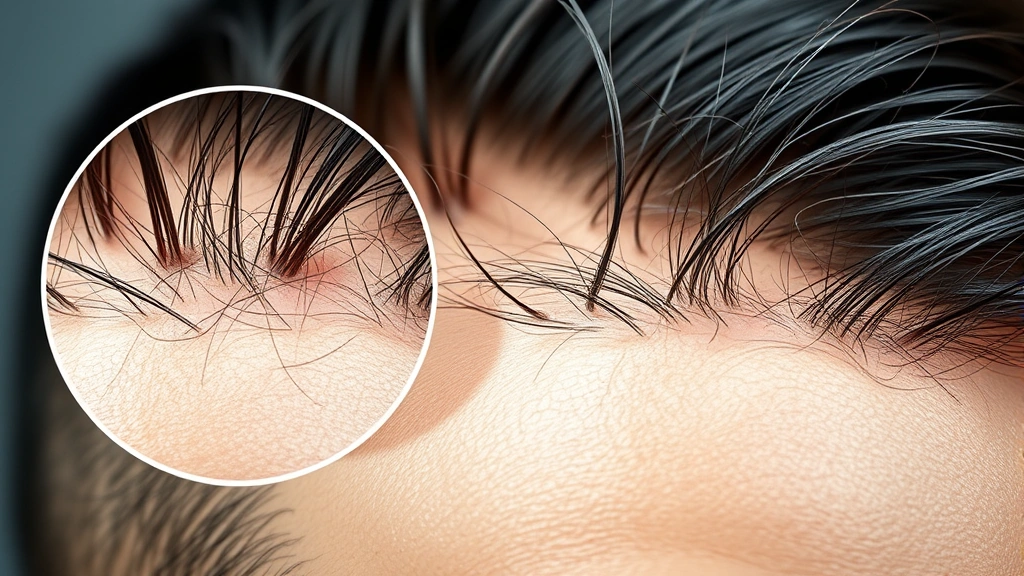
To understand whether hair growth shampoos work, you first need to understand the biological process of hair growth itself. Hair exists in a complex cycle with three main phases: anagen (growth phase), catagen (transition phase), and telogen (resting phase). Most of your scalp hair is in the anagen phase, which can last anywhere from two to seven years.
Hair follicles are living structures that require proper nutrition, blood flow, and hormonal balance to function optimally. When something disrupts this cycle—whether genetics, hormones, stress, or nutritional deficiencies—hair can enter the telogen phase prematurely, leading to increased shedding and visible thinning.
The root cause of most male hair loss is androgenetic alopecia, commonly known as male pattern baldness. This condition is driven by genetics and the hormone DHT (dihydrotestosterone). If your hair loss is caused by DHT sensitivity, topical shampoos alone have significant limitations, which we’ll explore shortly.
However, not all hair loss is permanent. Some loss is due to temporary factors like stress, poor nutrition, or product buildup. In these cases, the right shampoo ingredients can genuinely help restore hair health and reduce shedding.
What Ingredients Actually Have Evidence
Let’s examine the ingredients that dermatologists actually recognize as having scientific support. This is where marketing hype meets reality.
Caffeine has emerged as one of the most studied ingredients in hair care products. Research published in the British Medical Journal shows that caffeine can stimulate hair follicles and potentially extend the anagen phase. It works by blocking adenosine, a chemical that can suppress hair growth. However, the effect is modest and works best as part of a comprehensive approach.
Niacinamide (Vitamin B3) has demonstrated effectiveness in reducing sebum production and improving scalp health. Studies show it can strengthen hair and reduce breakage, though it doesn’t directly stimulate new growth. It’s particularly useful for maintaining healthy hair and preventing further damage.
Saw Palmetto is a botanical extract that shows promise in blocking DHT at the scalp level. While not as powerful as prescription medications like finasteride, some studies suggest it can help slow hair loss when used consistently. The evidence is moderate but encouraging for natural alternatives.
Biotin and B vitamins support hair structure and health. While biotin alone won’t regrow hair if you’re not deficient, adequate levels are essential for maintaining strong, healthy strands. Many men with hair loss have underlying nutritional gaps that biotin can address.
Ketoconazole, an antifungal ingredient, has clinical evidence supporting its use in reducing hair loss. It works by lowering scalp inflammation and fungal overgrowth, which can contribute to shedding. A systematic review in Dermatology Research and Practice found ketoconazole to be effective as an adjunctive treatment.
The honest truth: most hair growth shampoos contain some of these ingredients, but at concentrations that may be too low to produce significant results. Dermatologists often point out that the contact time between shampoo and scalp is typically only 60-90 seconds, limiting absorption and effectiveness.
Limitations of Topical Shampoos
Understanding why shampoos have limitations is crucial for setting realistic expectations. Even the best formulations face inherent challenges.
Contact Time Constraint: Most people spend less than two minutes shampooing. This brief window means active ingredients have minimal time to penetrate the scalp and affect hair follicles. Compare this to pharmaceutical treatments designed to be left on the scalp for hours—shampoos simply can’t compete.
Barrier Penetration: The scalp has a protective barrier that prevents many molecules from reaching hair follicles. Large molecular compounds in shampoos struggle to penetrate deeply enough to affect the follicle itself. Smaller molecules are more effective but harder to stabilize in shampoo formulations.
Wash-Off Problem: Even if ingredients penetrate effectively, they’re immediately washed away. This means any benefit is temporary and requires consistent, long-term use. You can’t build up a reserve of these compounds in your scalp tissue.
Scalp Variability: Everyone’s scalp is different. Factors like pH, microbial balance, oil production, and blood flow affect how well ingredients work. A shampoo that works wonderfully for one person might be ineffective for another.
Genetic Limitations: If your hair loss is primarily genetic (male pattern baldness), a shampoo cannot override your DNA. Topical treatments can slow loss or improve hair health, but they cannot typically reverse established male pattern baldness without addressing the underlying hormonal component.
For those serious about hair recovery, exploring options like the hair growth oil spray can provide longer contact time than traditional shampoos, offering better absorption potential.
Clinically Proven Alternatives
If you’re serious about combating hair loss, dermatologists typically recommend evidence-based treatments beyond shampoos alone.
Minoxidil (Rogaine) is an FDA-approved topical treatment that’s more effective than any shampoo. It’s available over-the-counter and works by improving blood flow to hair follicles and extending the growth phase. Clinical studies show it can regrow hair in approximately 40% of men and slow loss in most users. The key advantage: it stays on the scalp for hours, not minutes.
Finasteride (Propecia) is an oral medication that blocks DHT production at the source. It’s the most effective treatment for male pattern baldness available, with studies showing it can regrow hair and halt progression in the majority of users. It requires a prescription and ongoing use.
Combination Therapy often works best. Many dermatologists recommend using minoxidil topically while taking finasteride orally, sometimes adding a quality shampoo as supportive care. This multi-pronged approach addresses hair loss from several angles.
Low-Level Laser Therapy (LLLT) is an emerging treatment with growing evidence. Devices like laser combs and caps stimulate hair follicles through light energy. While results are modest compared to medication, it’s non-invasive and has minimal side effects.
Improving your overall health through better nutrition and stress management also supports hair growth. Your hair reflects your internal health, so practices that support growth mindset and wellness create the foundation for better hair outcomes.
Choosing the Right Product for Your Needs
Not all hair loss is the same, so your approach should be tailored to your specific situation.
For General Hair Health and Maintenance: If you’re not experiencing significant hair loss but want to maintain strong, healthy hair, a quality shampoo with niacinamide, caffeine, and biotin is worthwhile. Look for products that don’t strip natural oils and are sulfate-free. These support your hair’s natural growth cycle without requiring medical intervention.
For Early-Stage Thinning: If you’re noticing the first signs of thinning, start with a comprehensive approach. Use a quality shampoo as the foundation, consider adding a beard growth oil or scalp treatment for longer contact time, and consult a dermatologist about minoxidil. Early intervention is most effective.
For Established Male Pattern Baldness: If you have significant hair loss, shampoo alone won’t reverse it. You need prescription treatments like finasteride, minoxidil, or both. A good shampoo can be part of your regimen but shouldn’t be your primary strategy. Think of it as supporting care, not primary treatment.
For Scalp Health Issues: If your hair loss is accompanied by itching, flaking, or visible scalp irritation, look for shampoos with ketoconazole or zinc pyrithione. These address underlying scalp conditions that can contribute to hair loss.
Reading ingredient labels is essential. Dermatologists recommend avoiding shampoos with harsh sulfates, silicones that build up on the scalp, and unnecessary fragrances that can irritate. Look for transparent labeling that shows active ingredient concentrations.
Realistic Expectations and Timeline
One of the biggest mistakes men make is expecting overnight results. Hair growth is a slow biological process, and realistic timelines matter for staying motivated.
Shampoo Results Timeline: If a shampoo is going to help, you typically won’t notice results for 8-12 weeks of consistent use. This is because it takes that long for new hair to grow visibly and for the hair cycle to progress. Many people give up too early, thinking the product doesn’t work.
Minoxidil Timeline: Results typically appear after 3-4 months, with maximum benefit around 6-12 months. You may initially see increased shedding (the shedding phase) as old hairs make room for new growth—this is actually a positive sign.
Finasteride Timeline: This medication takes 6-12 months to show visible results, but it’s highly effective at halting progression. Many men notice they’re losing less hair before they notice new growth.
Maintenance is Permanent: Whether using shampoos, minoxidil, or finasteride, you must continue treatment to maintain results. Hair loss typically resumes if you stop. This is why choosing a sustainable approach that fits your lifestyle is important.
Remember, building healthy hair is similar to other best productivity tools for professionals—consistency matters more than perfection. Commit to a realistic routine you can maintain long-term.
Understanding what works requires looking beyond marketing claims to actual research. The American Academy of Dermatology publishes evidence-based guidelines on hair loss treatment that are worth reviewing. Their recommendations consistently emphasize that while shampoos can support hair health, they’re not primary treatments for significant hair loss.
FAQ
Can hair growth shampoo regrow lost hair?
Hair growth shampoos can support hair health and may slow shedding, but they typically cannot regrow hair that’s already been lost due to male pattern baldness. For actual regrowth, you need FDA-approved treatments like minoxidil or finasteride. Shampoos work best as supportive care alongside these treatments.
How long does it take for hair growth shampoo to work?
If a shampoo is going to show benefits, you should see changes after 8-12 weeks of consistent use. Hair growth is slow, and the hair cycle takes time to progress. Many people give up too early. Commit to at least 12 weeks before evaluating effectiveness.
Are expensive hair growth shampoos better than cheaper ones?
Price doesn’t always correlate with effectiveness. What matters is the concentration and type of active ingredients. A moderately-priced shampoo with proven ingredients like caffeine, niacinamide, and ketoconazole may outperform an expensive product with marketing hype. Read ingredient lists, not price tags.
Should I use hair growth shampoo if I’m already using minoxidil or finasteride?
Yes, absolutely. A quality shampoo complements prescription treatments well. It supports scalp health, reduces buildup, and maintains hair strength while the medications work on regrowing hair. This combination approach is what dermatologists typically recommend.
What’s the difference between hair growth shampoo and regular shampoo?
Hair growth shampoos contain specific active ingredients like caffeine, niacinamide, biotin, or ketoconazole that are meant to support the hair growth cycle and scalp health. Regular shampoos primarily clean without targeting these specific benefits. Quality matters in both, but growth shampoos have a therapeutic component.
Can hair growth shampoo cause side effects?
Most hair growth shampoos are well-tolerated. However, some people may experience scalp irritation, dryness, or allergic reactions to specific ingredients. Always do a patch test first. If you experience persistent irritation, discontinue use and consult a dermatologist. Prescription treatments like finasteride have more significant potential side effects that require medical supervision.
Is hair growth shampoo worth the money?
It depends on your situation. If you have early-stage thinning or want to maintain healthy hair, a quality growth shampoo is a reasonable investment—typically $20-40 per bottle. If you have significant male pattern baldness, spending heavily on shampoo alone is likely wasting money; you need prescription treatments. Use shampoo as part of a comprehensive strategy, not as your primary solution.


