Boost Hair Growth: Top Oils You Need to Try
Your hair is a reflection of your overall health and vitality. Just as you invest time in personal development and self-improvement, nurturing your hair deserves the same dedicated attention. Hair loss and slow growth can be frustrating challenges, but nature has provided us with powerful botanical solutions that can transform your hair health from the roots up.
The journey to luscious, healthy hair isn’t about quick fixes—it’s about understanding what your scalp and strands truly need. When you discover the right hair growth oil spray, you’re not just applying a product; you’re committing to a sustainable practice that aligns with your broader wellness goals. This comprehensive guide explores the most effective oils backed by scientific research, helping you make informed decisions about your hair care routine.
Why Oil Therapy Works for Hair Growth
Understanding the science behind hair growth oils empowers you to use them strategically. Hair follicles require specific nutrients, moisture, and circulation to thrive. When you apply targeted oils, you’re delivering concentrated compounds that address multiple aspects of hair health simultaneously.
The scalp is essentially skin, and like all skin, it benefits from proper hydration and nourishment. Many people struggle with hair growth because they neglect the foundational health of their scalp environment. Oils penetrate the scalp barrier, reducing inflammation, improving blood flow, and creating an optimal environment for hair follicles to enter the growth phase.
Research from the National Institutes of Health demonstrates that certain botanical oils contain compounds that inhibit DHT (dihydrotestosterone), a hormone linked to hair loss. Additionally, these oils provide essential fatty acids that strengthen hair structure from within, reducing breakage and promoting length retention.
When combined with your broader personal growth journey, establishing a consistent hair care ritual becomes a form of self-care that builds discipline and reinforces your commitment to holistic wellness.
Top Hair Growth Oils: The Complete Review
Castor Oil: The Powerhouse
Castor oil stands as one of the most researched and effective options for promoting hair growth. This thick, nutrient-dense oil contains ricinoleic acid, omega-6 and omega-9 fatty acids, and vitamin E—all crucial for hair health. When used as a hair growth oil spray, castor oil penetrates deeply, nourishing follicles and strengthening hair shafts.
The effectiveness of castor oil lies in its ability to improve microcirculation in the scalp, ensuring that hair follicles receive adequate oxygen and nutrients. Studies show that regular castor oil application can increase hair thickness and reduce shedding within 2-3 months of consistent use.
Rosemary Oil: The Circulation Enhancer
Rosemary essential oil has gained significant attention in recent years, and for good reason. Research published in Phytotherapy Research found that rosemary oil was as effective as minoxidil (a common hair loss treatment) in promoting hair growth after six months of use. This herb increases blood flow to the scalp, stimulates hair follicles, and contains antioxidants that protect against oxidative stress.
When incorporating rosemary into your routine, dilute the essential oil in a carrier oil and apply as a spray for optimal absorption and safety. Many people find that the invigorating scent of rosemary also provides mental clarity and focus, connecting your physical hair care to your broader wellness objectives.
Coconut Oil: The Moisture Guardian
Coconut oil’s popularity in hair care is well-deserved. Its unique structure allows it to penetrate the hair shaft, reducing protein loss and maintaining moisture balance. The lauric acid in coconut oil has antimicrobial properties, protecting your scalp from infections that can impede growth.
Unlike many oils, coconut oil can be used as both a pre-wash treatment and a leave-in conditioner. This versatility makes it an excellent base for creating your own hair growth oil spray at home, combining it with more potent essential oils for enhanced benefits.
Argan Oil: The Vitamin E Treasure
Argan oil, extracted from the kernels of the Moroccan argan tree, is remarkably rich in vitamin E and antioxidants. These compounds protect hair from environmental damage and oxidative stress, two major contributors to hair loss. Argan oil also contains phenolic compounds that may help regulate sebum production, benefiting both dry and oily scalps.
The lightweight nature of argan oil makes it ideal for spray applications, as it won’t leave your hair feeling greasy while still delivering deep nourishment. This oil is particularly effective for those dealing with damage from heat styling or chemical treatments.
Jojoba Oil: The Scalp Balancer
Jojoba oil’s molecular structure closely resembles the scalp’s natural sebum, making it exceptionally compatible with human hair and skin. This similarity means jojoba oil regulates sebum production rather than adding excess oil, making it suitable for all hair types. It contains zinc, copper, and selenium—minerals essential for hair growth and strength.
When used in a spray formula, jojoba oil provides balanced hydration without heaviness, making it an excellent choice for daily use.
Peppermint Oil: The Growth Stimulator
Peppermint essential oil creates a cooling sensation that many find invigorating. More importantly, studies show that peppermint oil stimulates hair growth by increasing blood flow to the scalp and promoting the lengthening phase of the hair growth cycle. The menthol in peppermint also provides antimicrobial and anti-inflammatory benefits.
Always dilute peppermint oil with a carrier oil before applying to avoid scalp irritation. A few drops in your hair growth oil spray can provide significant benefits without overwhelming your scalp.

How to Use Hair Growth Oil Spray Effectively
Simply having the best oils isn’t enough—application technique matters significantly. The way you use your hair growth oil spray determines how effectively the active compounds reach your hair follicles and scalp.
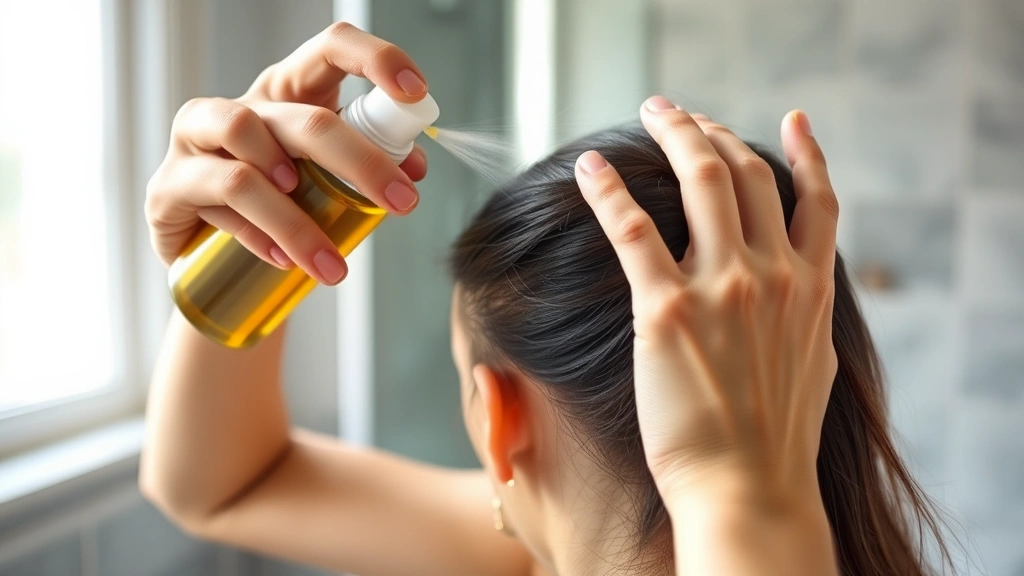
Preparation is key. Start with a clean or damp scalp. Many people find that applying oils to damp hair helps with distribution and penetration. Divide your hair into sections using clips, then apply the spray directly to the scalp, not the hair strands. Use your fingertips to gently massage the oil into your scalp using circular motions for 5-10 minutes. This massage stimulates blood flow and helps the oil penetrate more deeply.
For maximum absorption, leave the oil on your scalp for at least 30 minutes, though overnight application is often more effective. Many people apply their hair growth oil spray before bed, allowing the oils to work throughout the night. In the morning, shampoo thoroughly to remove excess oil. You may need to shampoo twice to completely remove the oil without stripping your scalp of natural moisture.
Consistency is absolutely crucial. Like any wellness practice you’ll read about in the growth mindset books section of our blog, hair growth requires sustained effort. Apply your oil treatment 2-3 times weekly for optimal results. Most people notice improvements within 4-6 weeks of consistent use, though significant changes may take 2-3 months.
Temperature matters. Slightly warming your oil before application increases its penetration ability. Warm the oil by placing the bottle in warm water for a few minutes—never use direct heat that could damage the oils’ beneficial compounds.
Creating Your Custom Hair Growth Routine
The most effective hair care routine is one tailored to your specific needs and lifestyle. Rather than following generic recommendations, assess your hair type, scalp condition, and growth challenges to create a personalized approach.
Assess your hair type. Fine, thin hair benefits from lighter oils like jojoba and argan, while thick, coarse hair can handle heavier oils like coconut and castor. Combination scalps—oily at the roots but dry at the ends—respond well to balanced options like argan oil.
Identify your primary concern. Are you dealing with overall hair loss, slow growth, breakage, or scalp inflammation? Each concern responds differently to specific oils. Slow growth responds well to rosemary and peppermint. Breakage improves with protein-rich castor and coconut oils. Inflammation benefits from the anti-inflammatory properties of argan and jojoba.
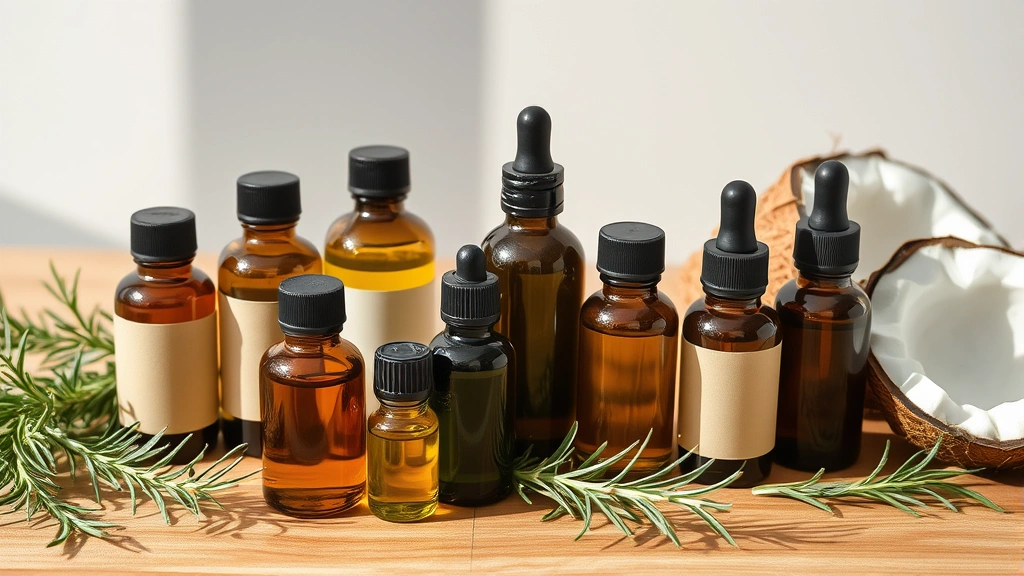
Create a synergistic blend. Rather than using one oil exclusively, combine complementary oils for enhanced benefits. A powerful combination might include: 2 tablespoons castor oil (base), 10 drops rosemary essential oil (growth stimulation), 5 drops peppermint essential oil (circulation), and 1 tablespoon jojoba oil (balance). Store in a spray bottle for easy application.
Developing this routine requires the same intentional goal-setting approach discussed in our guide about how to set and achieve goals effectively. Define your hair growth targets, establish a realistic timeline, and track your progress with photos taken every four weeks.
Common Mistakes That Slow Hair Growth
Even with the best oils, certain habits can sabotage your results. Understanding and avoiding these mistakes ensures your efforts yield maximum benefit.
Inconsistency is the primary culprit. Hair growth is a slow biological process. Applying oils sporadically won’t trigger the sustained scalp changes needed for visible improvement. Commit to a regular schedule, treating it as seriously as you would any important wellness practice. Building motivation to maintain consistency is essential—consider scheduling your oil treatments on specific days to establish habit patterns.
Using too much product. More oil doesn’t equal better results. Excess oil clogs pores, traps bacteria, and creates an unhealthy scalp environment. A few tablespoons of oil per application is typically sufficient for most people. The goal is to nourish, not saturate.
Applying only to hair, not scalp. The scalp is where hair growth happens. Applying oil exclusively to hair strands provides cosmetic benefits but misses the therapeutic potential. Always focus your application on the scalp itself, massaging the oil into the skin where follicles reside.
Ignoring complementary health factors. Oils are powerful, but they work best within a holistic health framework. Hair growth depends on proper nutrition, adequate sleep, stress management, and hydration. Your hair reflects your overall health status. As you work on personal development and self-improvement, ensure your nutrition includes adequate protein, iron, zinc, and B vitamins—all critical for hair health.
Using poor-quality products. Not all oils are created equal. Purchase cold-pressed, organic oils when possible, as these retain maximum nutrients and active compounds. Refined oils undergo processing that removes many beneficial elements. When selecting essential oils, ensure they’re therapeutic grade and from reputable sources.
Neglecting scalp cleansing. While oils are beneficial, buildup can occur if you don’t cleanse properly. Use a gentle, sulfate-free shampoo to remove oil residue without stripping your scalp. Some people benefit from clarifying shampoos used monthly to remove stubborn buildup.
Expecting overnight results. This is perhaps the most common mistake. Hair grows approximately half an inch per month, and significant changes take time. Patience is essential. Trust the process, maintain consistency, and celebrate small improvements along the way. This mindset aligns with the broader principles of personal growth—meaningful change requires sustained effort over time.
FAQ
How long does it take to see results from hair growth oil spray?
Most people notice initial improvements in scalp health and hair texture within 2-4 weeks. Visible hair growth improvements typically appear within 6-8 weeks of consistent use. Significant changes in hair thickness and length may take 3-4 months. Remember, patience and consistency are key—these timelines apply only to those who maintain regular application schedules.
Can I use hair growth oil spray on colored or treated hair?
Yes, oils are actually beneficial for colored and chemically treated hair. These treatments can damage hair structure, and oils help restore moisture and strength. However, avoid applying oils immediately before or after coloring treatments, as some oils may interact with dyes. Wait at least 48 hours post-treatment before resuming your oil routine.
Is it possible to use too much hair growth oil?
Yes. Excessive oil application can clog scalp pores, trap bacteria, and create an unhealthy environment that actually impedes growth. Stick to 2-3 tablespoons per application, 2-3 times weekly. If you notice increased itching, flaking, or unpleasant odor, reduce frequency or quantity.
Can men use these oils as effectively as women?
Absolutely. Hair growth oils work effectively regardless of gender. In fact, men experiencing male pattern baldness may find rosemary and peppermint oils particularly beneficial, as research shows these oils can compete with DHT’s effects on hair follicles. Application methods remain identical.
Should I combine hair oils with other hair loss treatments?
Most oils work well alongside conventional treatments like minoxidil or finasteride. However, consult with a dermatologist before combining treatments, as certain combinations may require adjusted timing or application methods. Some people find that oils enhance the effectiveness of pharmaceutical treatments while providing additional scalp health benefits.
What’s the difference between essential oils and carrier oils?
Essential oils are concentrated plant extracts with potent active compounds. They’re never applied directly to skin without dilution, as they can cause irritation. Carrier oils like coconut, jojoba, and argan are gentler and can be applied directly. The most effective hair growth oil spray combines a carrier oil base with diluted essential oils for both safety and efficacy.
Can I make my own hair growth oil spray at home?
Yes, and many people prefer homemade versions for cost-effectiveness and ingredient control. Start with a carrier oil base (coconut, castor, or jojoba), then add 2-3 drops of essential oils per tablespoon of carrier oil. Store in a clean spray bottle and shake well before each use. Homemade blends typically last 2-3 weeks before the essential oils begin to degrade.


