
Boost Hair Growth: Proven Tips from Experts
Hair loss and slow hair growth affect millions of people worldwide, impacting self-confidence and overall well-being. Whether you’re experiencing thinning hair, receding hairlines, or simply want to accelerate your natural hair growth, understanding the science behind healthy hair development is essential. The journey to stronger, fuller hair isn’t just about external treatments—it requires a comprehensive approach that addresses nutrition, lifestyle, stress management, and targeted care routines.
This guide combines expert recommendations, scientific research, and practical strategies to help you achieve visible hair growth results. Just as personal growth requires patience and consistency, hair growth demands a holistic commitment. By implementing these evidence-based tips, you’ll create optimal conditions for your hair to thrive and reach its fullest potential.
Understanding Hair Growth Biology
Before diving into solutions, it’s crucial to understand how hair actually grows. Each hair follicle goes through three distinct phases: the anagen (growth) phase, catagen (transition) phase, and telogen (resting) phase. Most of your scalp hair is in the anagen phase, which can last anywhere from two to seven years. The length of this phase determines your maximum hair length and growth rate.
According to research published in the National Center for Biotechnology Information, the average hair growth rate is approximately half an inch per month, or six inches per year. However, this rate varies significantly based on genetics, age, hormonal balance, and overall health. Understanding these biological factors helps explain why some people naturally have faster-growing hair while others experience slower growth cycles.
Hair follicles are incredibly sensitive to hormonal changes, nutritional deficiencies, and stress levels. When your body experiences significant stress or nutritional gaps, it can push more hair follicles into the telogen phase prematurely, resulting in increased shedding. This is why addressing hair growth comprehensively—rather than relying on single solutions—yields the best results. Just like overcoming procrastination requires multiple strategies, achieving optimal hair growth demands a multifaceted approach.

Nutrition and Hair Health
What you eat directly impacts hair quality and growth speed. Hair follicles require specific nutrients to function optimally, and deficiencies in key vitamins and minerals can halt growth or accelerate hair loss. The most critical nutrients for hair health include protein, iron, zinc, biotin, vitamin D, and B vitamins.
Protein Foundation: Hair is primarily composed of a protein called keratin, making adequate protein intake non-negotiable for growth. Aim for 1.2-2 grams of protein per kilogram of body weight daily. Quality sources include lean meats, fish, eggs, legumes, nuts, and dairy products. Without sufficient protein, your body cannot build new hair strands, and existing hair becomes brittle and prone to breakage.
Iron and Zinc: These minerals are essential for hair follicle health and cycling. Iron deficiency, particularly common in women, directly correlates with hair loss. Research shows that low iron levels can trigger telogen effluvium, a condition causing excessive shedding. Include iron-rich foods like spinach, red meat, lentils, and fortified cereals. Zinc supports immune function and hormone regulation, both crucial for hair growth. Oysters, beef, pumpkin seeds, and chickpeas are excellent sources.
Biotin and B Vitamins: Biotin strengthens hair structure and improves resilience. B vitamins support energy production in hair follicles and regulate stress hormones that can trigger hair loss. Incorporate whole grains, eggs, almonds, and salmon into your diet. Many experts recommend 2.5 micrograms of biotin daily, though higher doses may be beneficial for those with specific deficiencies.
Vitamin D: This nutrient regulates immune function and hair cycling. Deficiency is linked to alopecia and premature hair shedding. Spend 10-30 minutes in sunlight daily, consume fatty fish, egg yolks, or consider supplementation if you live in regions with limited sunlight exposure.
Consider tracking your nutrition using a food diary for two weeks to identify gaps. Developing a growth mindset about nutrition helps you view dietary changes as investments in your health rather than restrictions.
Scalp Care and Massage Techniques
Your scalp is the foundation for healthy hair growth. A clean, well-nourished scalp provides the optimal environment for follicles to thrive. Regular scalp care removes buildup, improves circulation, and delivers essential nutrients directly to hair roots.
Scalp Massage Benefits: Daily scalp massage increases blood flow to hair follicles, delivering oxygen and nutrients while removing toxins. A study in Dermatology Practical & Conceptual found that participants who performed daily scalp massage for five minutes experienced significant hair thickness increases after 24 weeks. This simple practice costs nothing and requires minimal time investment.
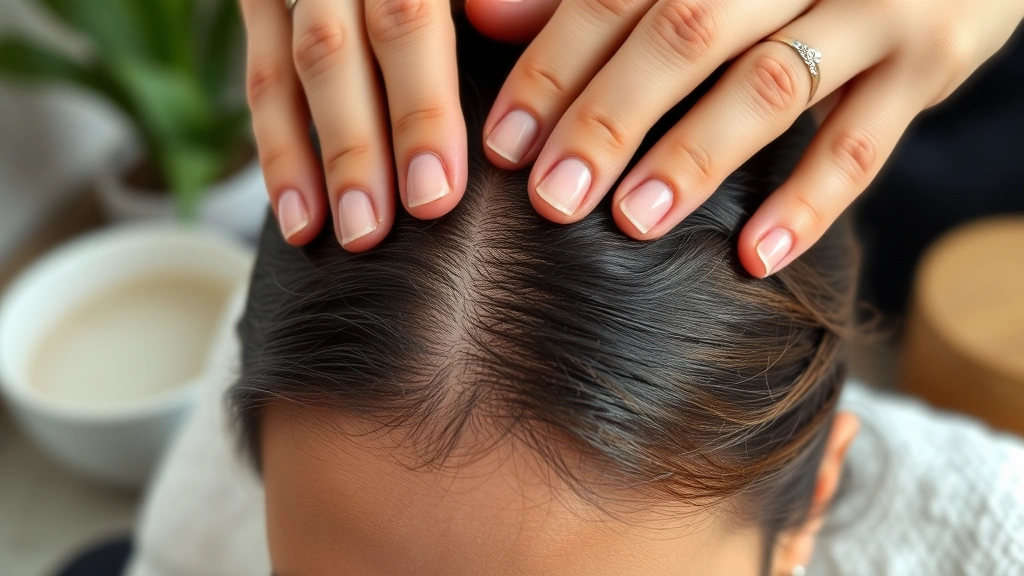
Proper Massage Technique: Use your fingertips (not nails) to apply gentle pressure in circular motions across your entire scalp. Start at the hairline and work backward toward the crown and nape. Spend at least five minutes daily, preferably in the evening. You can enhance this practice by using oils—coconut, argan, or rosemary oil provide additional nourishing benefits.
Choosing the Right Shampoo: Select sulfate-free, gentle shampoos that won’t strip natural oils from your scalp and hair. Harsh chemicals damage the hair shaft and irritate the scalp, creating an inflammatory environment hostile to growth. Wash hair two to three times weekly rather than daily, which prevents over-drying and scalp irritation. Use lukewarm water, as hot water opens hair cuticles excessively and causes moisture loss.
Deep Conditioning: Weekly deep conditioning treatments repair damage, seal cuticles, and provide intensive moisture. Apply conditioner from mid-shaft to ends, avoiding the scalp. Leave on for 10-20 minutes. This practice prevents breakage and maintains hair integrity, allowing growth to accumulate visibly.
Lifestyle Factors That Impact Growth
Hair growth doesn’t occur in isolation—it’s intimately connected to your overall lifestyle and stress levels. Managing these factors is as important as nutrition and topical care.
Stress Management: Chronic stress elevates cortisol levels, which can trigger telogen effluvium and suppress hair growth. The mind-body connection is powerful; psychological stress directly impacts follicle cycling. Implement stress-reduction practices like meditation, yoga, deep breathing exercises, or regular exercise. Even 20 minutes of moderate activity daily significantly reduces cortisol and supports hair health. Increasing motivation for self-care activities creates a positive feedback loop where you feel better physically and mentally.
Sleep Quality: Hair growth occurs primarily during sleep when your body enters repair mode. Aim for 7-9 hours nightly. During deep sleep, growth hormone peaks, follicles shift into the anagen phase, and cellular repair accelerates. Poor sleep disrupts this process and increases cortisol, creating a hostile environment for growth. Establish consistent sleep schedules, limit screen time before bed, and maintain a cool, dark bedroom.
Exercise and Circulation: Regular cardiovascular exercise improves blood flow throughout your body, including to the scalp. Aim for 150 minutes of moderate activity weekly. Exercise also reduces stress hormones and improves sleep quality—all factors supporting hair growth. Whether running, cycling, swimming, or dancing, consistency matters more than intensity.
Hydration: Hair follicles require adequate hydration to function optimally. Dehydration reduces nutrient delivery to follicles and increases brittleness. Drink at least eight glasses of water daily, adjusting for climate and activity level. Proper hydration also supports kidney function, which helps eliminate toxins that might otherwise accumulate in follicles.
Professional Treatments and Solutions
When lifestyle and nutritional changes need supplementation, several professional treatments offer science-backed results. Consulting with a dermatologist helps identify which approach suits your specific situation.
Minoxidil (Rogaine): This FDA-approved topical treatment stimulates hair follicles and extends the anagen phase. Applied twice daily to the scalp, minoxidil shows visible results within 3-6 months for many users. It works best for androgenetic alopecia (pattern hair loss) and requires consistent, long-term use. Results may regress if treatment stops.
Finasteride (Propecia): This oral medication reduces DHT (dihydrotestosterone), a hormone that shrinks hair follicles in genetically predisposed individuals. Taken daily, finasteride can halt hair loss and sometimes regrow hair. Results typically appear after 3-6 months of consistent use. Consult a healthcare provider about potential side effects and whether this treatment suits your situation.
Hair Growth Supplements: While whole foods are optimal, targeted supplements can address specific deficiencies. Look for products containing biotin, saw palmetto, marine collagen, and vitamins A, C, D, and E. Quality matters significantly—choose brands that undergo third-party testing and provide transparent ingredient lists.
Low-Level Laser Therapy (LLLT): This non-invasive treatment uses red and near-infrared light to stimulate follicles and increase blood flow. Clinical studies show modest improvements in hair density and thickness. Devices range from affordable combs to expensive panels; consistency and proper usage matter for results.
Platelet-Rich Plasma (PRP): This advanced treatment extracts growth factors from your blood and injects them into the scalp. PRP shows promise for hair restoration and is increasingly popular among dermatologists. Multiple sessions (typically 3-4) spaced monthly yield the best results. Cost and availability vary by location.
Building Your Hair Growth Routine
Success requires creating a sustainable, consistent routine. Rather than implementing everything simultaneously, build gradually. Effective goal setting for hair growth means establishing realistic timelines and celebrating incremental progress.
Week 1-2: Foundation Phase
- Assess current hair health and identify obvious deficiencies
- Begin daily 5-minute scalp massage
- Switch to sulfate-free shampoo and lukewarm water
- Commit to 7-9 hours of sleep nightly
- Increase water intake to 8+ glasses daily
Week 3-4: Nutritional Optimization
- Audit your diet for protein, iron, and zinc intake
- Add three new nutrient-dense foods to weekly meals
- Consider a quality multivitamin or specific supplements
- Implement weekly deep conditioning treatments
- Begin stress-reduction practice (meditation, yoga, or exercise)
Month 2-3: Consistency and Adjustment
- Maintain all established habits without exception
- Track progress with monthly photos under consistent lighting
- Notice improvements in hair texture, breakage, and shedding
- Adjust supplement dosages based on results and tolerance
- Consider professional treatments if desired
Month 4+: Advanced Optimization
- Evaluate progress objectively—hair typically shows visible growth after 3-4 months
- Refine routines based on what works best for your hair type
- Consider professional treatments (minoxidil, laser therapy, PRP) if needed
- Maintain consistency—hair growth is a long-term commitment
- Celebrate progress and adjust goals as needed
Document your journey with monthly photos. Hair growth is gradual, making daily observation difficult. Monthly comparisons reveal progress that motivates continued commitment. Remember that continuous improvement in all life areas includes physical health investments like hair care.
Consistency matters more than perfection. Missing one scalp massage or eating one less-than-ideal meal won’t derail progress. What matters is maintaining these practices 80-90% of the time over months. This mindset shift—focusing on long-term consistency rather than perfect compliance—increases adherence and produces superior results.
FAQ
How long does it take to see hair growth results?
Most people notice initial improvements in hair texture and reduced shedding within 4-6 weeks. Visible growth—approximately half an inch—requires 4-8 weeks. Significant thickness and length improvements typically appear after 3-4 months of consistent practice. Professional treatments may accelerate timelines slightly, but patience remains essential.
Can hair growth supplements replace a healthy diet?
No. Whole foods provide bioavailable nutrients, fiber, and beneficial compounds that supplements cannot replicate. Supplements fill specific gaps but work best alongside a nutrient-dense diet. Prioritize food first, then supplement strategically based on identified deficiencies.
Is scalp massage effective for all hair types?
Yes, scalp massage benefits all hair types. However, technique varies slightly. Those with textured hair should use gentler pressure and avoid excessive manipulation. Dry scalps benefit from oil-based massage, while oily scalps may prefer lighter techniques. Experiment to find what works best for your hair.
Can stress alone cause hair loss?
Stress alone doesn’t typically cause permanent hair loss in genetically predisposed individuals, but it accelerates shedding and can trigger telogen effluvium. Stress management is essential, but addressing nutritional deficiencies, hormone balance, and genetics is equally important for comprehensive solutions.
Should I use hair growth products continuously?
For prescription treatments like minoxidil and finasteride, yes—discontinuation typically results in hair loss reversal within months. For supplements and topical treatments, you can adjust based on results. Many people maintain lower doses once desired results are achieved. Discuss long-term strategies with your dermatologist.
What’s the difference between hair loss and normal shedding?
Shedding 50-100 hairs daily is normal. Hair loss exceeding 100 hairs daily, visible thinning, or widening parts indicates a problem requiring investigation. Telogen effluvium causes temporary excessive shedding (typically 3-6 months post-trigger), while androgenetic alopecia causes permanent follicle miniaturization. Proper diagnosis determines appropriate treatment.


