Potato Growth Stages: Expert Insights Explained
Just as personal development requires understanding distinct phases of growth, potatoes follow a remarkably structured progression from seed to harvest. This comprehensive guide explores the growth stages of potato plants, offering insights that mirror the principles of intentional development found in personal growth journeys. Whether you’re a gardener seeking to optimize yields or simply curious about agricultural science, understanding these stages reveals the patience and precision required for success.
Potato cultivation teaches us valuable lessons about timing, consistency, and adaptation. Each stage demands specific conditions and attention, much like how achieving effective goals requires understanding where you are in the process. The journey from a small seed potato to a mature plant producing multiple tubers typically spans 70-120 days, depending on variety and environmental conditions. This timeline demonstrates how incremental progress accumulates into substantial results.
Stage 1: Seed Potato Preparation and Selection
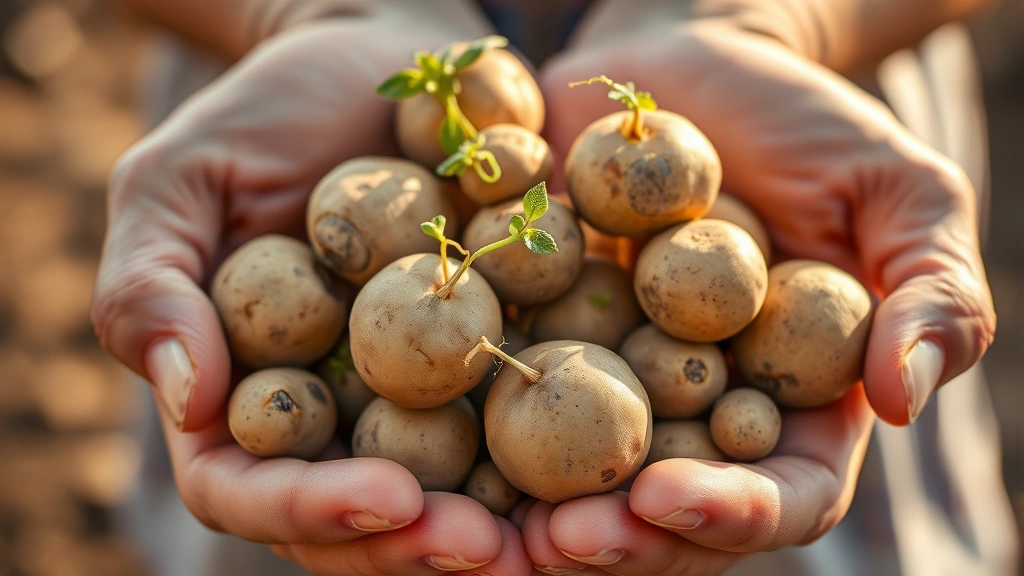
The foundation of successful potato cultivation begins long before planting occurs. Selecting quality seed potatoes represents the critical first stage in the growth stages of potato development. Unlike larger crops that may tolerate mediocre starting materials, potatoes demand careful selection because the seed potato contains all genetic information and stored nutrients necessary for initial growth.
Seed potatoes should weigh between 1-2 ounces and contain at least two viable eyes (buds). These eyes represent dormant growth points that will develop into shoots. Certified seed potatoes, sourced from reputable suppliers, provide disease-free material essential for healthy plant development. This selection process mirrors the importance of cultivating the right mindset before pursuing ambitious objectives.
Pre-planting preparation involves chitting—a process where seed potatoes are exposed to light and cool temperatures (50-60°F) for 2-4 weeks before planting. This induces sprouting and activates the eyes, creating multiple growth points. Research from Scientia Horticulturae demonstrates that chitted potatoes produce 15-20% higher yields compared to non-chitted seed.
Cutting larger seed potatoes requires precision. Each piece must contain at least one healthy eye and sufficient flesh to provide nutrients during the critical establishment phase. Cut surfaces should be allowed to suberize (heal) for 1-2 days in a cool, humid environment. This healing process creates a protective barrier against soil pathogens and disease organisms.
Stage 2: Sprouting and Pre-Planting Phase
Once preparation is complete, the sprouting stage begins whether potatoes are directly planted or pre-sprouted. This phase typically lasts 2-4 weeks and represents a critical transition period. During sprouting, the seed potato’s stored carbohydrates and proteins mobilize to support shoot and root development.
Environmental conditions during sprouting significantly impact subsequent growth. Optimal temperatures range from 50-70°F, with humidity levels around 85-90%. Too much warmth encourages weak, elongated sprouts, while excessive cold delays sprouting. This balance reflects principles discussed in motivation and environment management—external conditions profoundly influence outcomes.
Healthy sprouts appear stocky and white or pale purple, typically 0.5-1 inch in length when ready for planting. Multiple sprouts per seed potato indicate vigorous genetics and promise abundant plant growth. As potatoes enter the soil, root development begins simultaneously with shoot emergence, creating a balanced foundation for subsequent stages.
Stage 3: Emergence and Early Vegetative Growth
Emergence marks the dramatic transition from underground development to above-ground growth. This stage typically occurs 10-21 days after planting, depending on soil temperature and moisture. Sprouts push through soil as the plant’s first leaves unfold, beginning photosynthesis and establishing the foundation for all future growth.
During emergence, the young plant remains vulnerable to environmental stresses. Soil temperature below 45°F significantly slows growth, while temperatures above 85°F can cause stress and reduced vigor. Adequate soil moisture proves essential—not waterlogged, but consistently moist. The first true leaves appear within days of emergence, replacing the initial cotyledons with compound leaves characteristic of potato plants.
This stage demonstrates the critical importance of consistent conditions, much like how consistent personal development practices create momentum. Early attention to weed management, pest monitoring, and irrigation establishes habits that compound throughout the season. Young plants require protection from frost, as temperatures below 28°F damage emerging shoots.
Stage 4: Vegetative Development and Canopy Formation
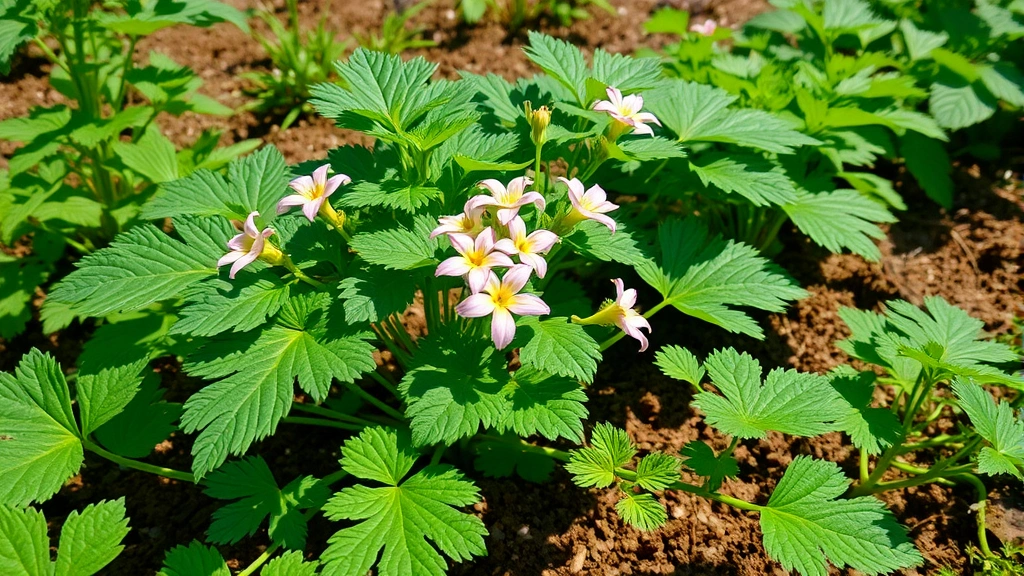
Following emergence, the plant enters vigorous vegetative growth lasting 3-6 weeks. During this stage, stems elongate, new leaves continuously develop, and the plant establishes a substantial canopy. This rapid growth phase demands adequate nutrients, particularly nitrogen, which supports leaf and stem development.
The plant’s architecture during this stage directly influences tuber production capacity. A robust canopy with healthy, green leaves maximizes photosynthetic capacity—the plant’s ability to convert sunlight into energy. Leaf area index, measuring total leaf surface relative to ground area, peaks during this stage and determines the plant’s productivity potential.
Management practices during vegetative development prove critical. Hilling—mounding soil around developing stems—provides several benefits. It creates loose soil where tubers develop, prevents greening of exposed tubers (which contain toxic solanine), and supports stem stability. Adequate spacing ensures air circulation, reducing disease pressure. Irrigation should maintain consistent soil moisture without creating waterlogged conditions.
This stage requires vigilant pest and disease monitoring. Common threats include Colorado potato beetles, aphids, and fungal diseases like early blight. Integrated pest management approaches, combining cultural practices with targeted interventions, protect plant health while maintaining environmental stewardship.
Stage 5: Tuber Initiation and Bulking
As plants mature, growth patterns shift dramatically during tuber initiation and bulking—arguably the most critical stage for yield determination. This transition typically occurs 30-50 days after planting, triggered by specific environmental signals including day length, temperature, and plant maturity.
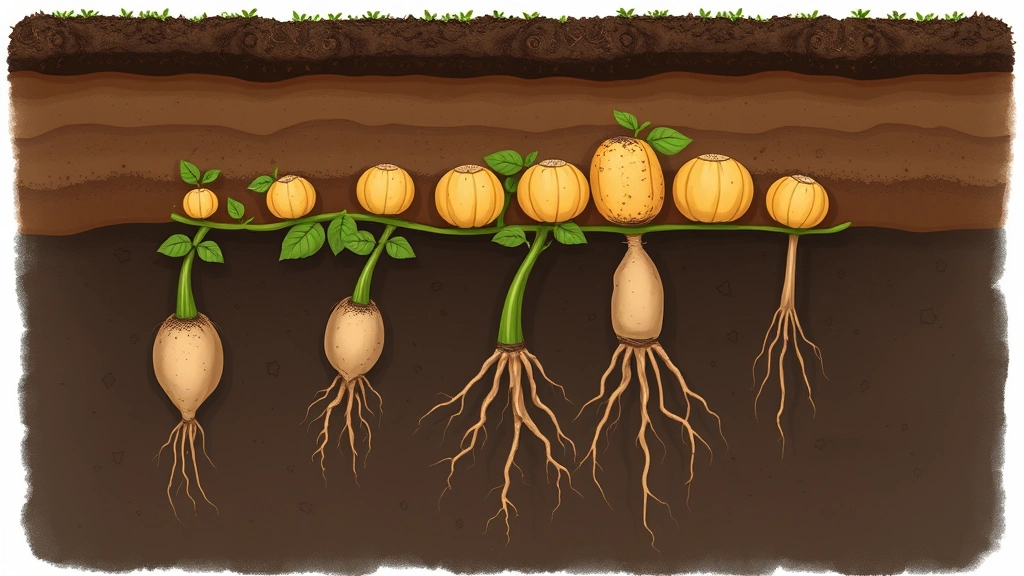
Tuber initiation begins with underground stolon development. Stolons are specialized stems that grow horizontally below the soil surface. At their tips, cell division accelerates, creating the characteristic rounded swelling that develops into tubers. This process represents a fundamental metabolic shift—the plant redirects energy from above-ground growth toward underground storage organ development.
Research from Frontiers in Plant Science indicates that tuber number and size are largely determined within 2-3 weeks of initiation. Environmental stress during this critical period—drought, excessive heat, or nutrient deficiency—reduces tuber count and final yields. Conversely, optimal conditions during bulking support the development of multiple large tubers per plant.
Nutrient management becomes increasingly important during bulking. While nitrogen remains essential for continued leaf development, potassium becomes critical for tuber quality and storage characteristics. Phosphorus supports energy transfer and root development. Balanced nutrition prevents premature plant senescence while supporting maximum tuber accumulation.
Water management during bulking requires careful attention. Consistent soil moisture supports tuber expansion, while fluctuating moisture causes stress cracks and reduced quality. Irrigation strategies should maintain soil moisture at 60-80% of field capacity, adjusting for rainfall and evapotranspiration rates.
Stage 6: Maturation and Harvest Preparation
As the growing season approaches its conclusion, plants enter the maturation stage lasting 2-4 weeks. Above-ground growth slows as the plant directs remaining energy into tuber development and starch accumulation. Leaves gradually yellow and senesce, signaling the plant’s transition toward dormancy.
Tuber skin maturation occurs during this stage—the outer layer thickens and hardens, developing the characteristic texture and color of mature potatoes. This process, called skin set, indicates tubers are ready for harvest. Premature harvesting yields potatoes with thin, delicate skin prone to damage during handling and storage.
Harvest timing significantly impacts storage quality and long-term viability. Most potatoes reach optimal maturity 90-120 days after planting, though variety-specific characteristics influence exact timing. Soil temperature should be below 60°F before harvesting, as warmer soil increases disease risk and reduces storage life.
Proper harvest technique prevents mechanical damage that compromises storage quality. Using a potato fork or shovel, carefully lift plants from the soil, allowing tubers to roll onto the surface. Handle tubers gently—even minor bruises create entry points for storage diseases. Harvested potatoes should be cured in a cool (50-60°F), humid environment for 2-3 weeks before storage, allowing minor skin injuries to heal and improving overall storage longevity.
Maximizing Growth Potential
Understanding potato growth stages provides the foundation for optimizing cultivation outcomes. Several evidence-based strategies enhance results across all stages. Recent agricultural research demonstrates that integrated management approaches yield superior results compared to single-factor optimization.
Soil Preparation: Potatoes thrive in well-draining, slightly acidic soil (pH 5.5-7.0) rich in organic matter. Incorporating compost or aged manure improves soil structure, water retention, and nutrient availability. Soil testing before planting guides nutrient amendments, preventing deficiencies that limit growth.
Variety Selection: Different potato varieties exhibit distinct growth characteristics, maturity periods, and yield potential. Early varieties mature in 60-90 days, mid-season varieties in 90-110 days, and late varieties in 110-130 days. Selecting varieties matched to your growing season and intended use optimizes outcomes.
Crop Rotation: Rotating potatoes with non-solanaceous crops (avoiding tomatoes, peppers, eggplants) for 3-4 years reduces soil-borne disease pressure and pest populations. This practice supports long-term soil health and consistent yields, reflecting the sustainable systems thinking essential for lasting success.
Integrated Pest Management: Combining cultural practices (crop rotation, resistant varieties, sanitation), biological controls (beneficial insects), and targeted interventions (organic or conventional pesticides when necessary) maintains plant health while minimizing environmental impact.
Climate Adaptation: Understanding your region’s temperature patterns, rainfall distribution, and growing season length allows strategic timing and variety selection. In hot climates, planting early-season varieties in spring and late varieties in summer extends production. In cool regions, waiting for soil to warm before planting prevents rotting and sluggish growth.
The journey through potato growth stages parallels personal development principles. Success requires understanding distinct phases, providing appropriate resources for each stage, maintaining consistency despite challenges, and recognizing that foundation-building early pays dividends throughout the process. These insights extend beyond agriculture, offering metaphorical lessons for any growth-oriented endeavor.
FAQ
How long do potato growth stages typically take?
Complete potato development from planting to harvest typically spans 70-120 days depending on variety and environmental conditions. Early varieties mature faster (60-90 days) while late varieties require 110-130 days. Temperature, moisture, and light conditions significantly influence the timeline for each growth stage.
What is the most critical stage for yield determination?
Tuber initiation and bulking (30-50 days after planting) represents the most critical stage. Tuber number and ultimate size are largely determined within 2-3 weeks of initiation. Environmental stress during this period—drought, heat, or nutrient deficiency—substantially reduces final yields.
Can I harvest potatoes before full maturity?
Yes, potatoes can be harvested early as “new potatoes” with thin, delicate skin. These are typically harvested 2-3 weeks after flowering. However, mature potatoes with thickened skin store far longer and are more suitable for winter storage. Harvest timing depends on your intended use.
Why is soil temperature important for potato growth?
Soil temperature directly influences growth rate, disease risk, and tuber quality. Optimal range is 60-70°F. Below 45°F, growth nearly stops and rotting risk increases. Above 80°F, plants experience stress and tuber quality declines. Timing planting to achieve optimal soil temperatures maximizes growth efficiency.
How do I know when potatoes are ready to harvest?
Potatoes are ready when vines die back naturally (yellowing and withering). Skin should be thick and resistant to rubbing off. Wait at least 2-3 weeks after flowering for tubers to reach full size and skin to set properly. Soil temperature should be below 60°F before harvesting.
What causes potato plants to fail at specific growth stages?
Different stages have distinct failure points: poor seed quality (stage 1), inadequate sprouting conditions (stage 2), frost damage during emergence (stage 3), pest/disease pressure during vegetative growth (stage 4), environmental stress during tuber initiation (stage 5), and premature senescence during maturation (stage 6). Understanding stage-specific challenges enables preventive management.


