
Track Growth: German Shepherd Puppy Guide
Watching your German Shepherd puppy grow from a tiny, wiggly bundle into a confident adult dog is one of life’s most rewarding experiences. Understanding the German Shepherd growth chart and developmental milestones helps you provide appropriate nutrition, training, and care at each stage. This comprehensive guide will walk you through the growth phases, expected weight ranges, and key developmental markers that define a healthy German Shepherd’s journey from birth to adulthood.
German Shepherds are large-breed dogs with a relatively long growth period compared to smaller breeds. Their development spans approximately 18 to 24 months, during which they undergo dramatic physical and behavioral changes. By tracking your puppy’s growth against established benchmarks, you can identify potential health issues early, adjust feeding protocols appropriately, and ensure your dog develops into a well-proportioned, healthy adult. This guide incorporates evidence-based information about canine development and practical strategies for monitoring your puppy’s progress.
Understanding German Shepherd Growth Phases
German Shepherds experience distinct growth phases that correspond to physical, behavioral, and cognitive development. Unlike smaller breeds that reach adult size relatively quickly, German Shepherds have a prolonged growth period that reflects their large frame and complex muscular development. Each phase presents unique nutritional requirements, training opportunities, and developmental milestones.
The growth trajectory of a German Shepherd follows a predictable pattern. During the first year, puppies experience explosive growth, with most of their adult height achieved by 12 months. However, they continue filling out and developing muscle mass until approximately 18 to 24 months. Understanding these phases allows you to align your care strategies with natural growth properties and optimize your puppy’s development at each stage.
Research from the American Animal Hospital Association emphasizes that large-breed puppies require specialized care to prevent developmental orthopedic disease. Monitoring growth rates and adjusting nutrition accordingly is critical for preventing joint problems later in life. This guide provides the framework you need to track your German Shepherd’s growth with precision and confidence.
Birth to 8 Weeks: The Neonatal and Early Socialization Period
The first two months of a German Shepherd puppy’s life are characterized by rapid growth and complete dependence on the mother. Newborn German Shepherd puppies typically weigh between 0.5 and 1 pound at birth. During this period, puppies spend most of their time eating and sleeping, with their eyes opening around 10 to 14 days and ears opening around 3 to 4 weeks.
By 4 weeks of age, a German Shepherd puppy should weigh approximately 3 to 5 pounds. At this stage, puppies begin eating soft food in addition to nursing. By 8 weeks, when most puppies leave their mother, they typically weigh between 7 and 10 pounds. The growth rate during this period is approximately 1 to 1.5 pounds per week.
Early socialization during this phase is crucial for behavioral development. Puppies exposed to various stimuli, people, and environments during the critical 3 to 14-week window develop greater confidence and adaptability. This early period establishes the foundation for future training and emotional resilience, connecting directly to the broader concept of personal growth principles that apply across species.
8 Weeks to 16 Weeks: Rapid Growth and Learning
The 8-week to 16-week period represents explosive growth combined with heightened learning capacity. At 8 weeks, your German Shepherd puppy should weigh 7 to 10 pounds. By 12 weeks, expect a weight of 16 to 20 pounds. At 16 weeks, puppies typically weigh 25 to 35 pounds, depending on genetics and nutrition quality.
During this period, puppies can begin basic training, though their attention span remains limited to 5 to 10-minute sessions. House training becomes increasingly effective as bladder control develops. Vaccination protocols are typically completed during this phase, and your veterinarian will provide guidance on appropriate exercise levels. Avoid excessive jumping or repetitive high-impact activities that can stress developing joints.
Growth rate during this phase averages 2 to 3 pounds per week. The puppy’s body begins showing more definition, with legs lengthening and the characteristic German Shepherd profile becoming recognizable. Proper nutrition during this critical growth period directly impacts adult size, bone density, and long-term health outcomes.
4 to 6 Months: The Growth Acceleration Phase
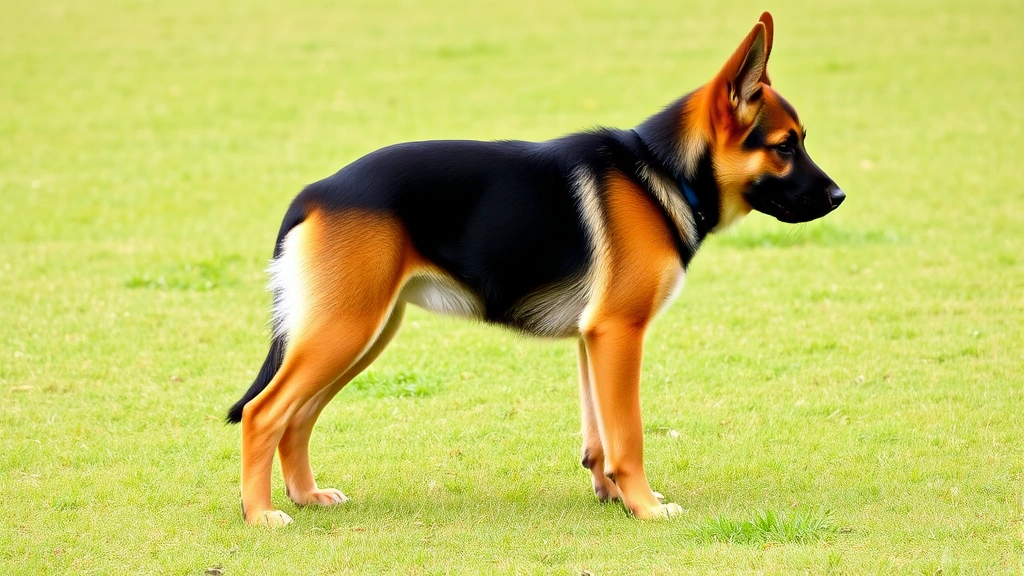
Between 4 and 6 months, German Shepherd puppies experience their most rapid growth phase. At 4 months, puppies typically weigh 35 to 40 pounds. By 6 months, they often reach 50 to 60 pounds, representing a growth rate of 5 to 10 pounds per month. This acceleration can seem dramatic, and proper nutrition becomes absolutely critical during this window.
At this stage, puppies are often taller than they are long, creating a somewhat gangly appearance. Their coordination may seem awkward as they adjust to their rapidly changing body proportions. Their adult teeth begin erupting, and they may experience discomfort during teething. Providing appropriate chew toys helps manage this natural process.
Training becomes more sophisticated during this phase. Puppies can focus for longer periods and begin understanding more complex commands. Leash training, basic obedience, and introduction to advanced skills should progress steadily. Mental stimulation becomes increasingly important, as bored puppies often develop destructive behaviors. Consider enrolling in a structured training program that aligns with your puppy’s developmental stage.
6 to 12 Months: Adolescence and Skeletal Development
The 6 to 12-month period marks the transition from puppyhood to adolescence. At 6 months, puppies weigh 50 to 60 pounds. By 9 months, they typically reach 60 to 70 pounds. At 12 months, most German Shepherds weigh between 70 and 85 pounds, though some individuals may be slightly lighter or heavier depending on genetics and sex.
During this phase, growth rate slows to approximately 5 pounds per month. The puppy’s body becomes more proportional, with the characteristic German Shepherd profile fully established. However, skeletal development continues, with growth plates remaining open throughout this period. Avoid excessive jumping, long-distance running, or other high-impact activities that could damage developing bones.
Behavioral changes during adolescence can be significant. Puppies may test boundaries and challenge authority more than they did in early puppyhood. Consistent training and clear leadership become essential. Many behavioral issues that emerge during this phase respond well to structured training and increased exercise. This period mirrors the transformative phases described in growth mindset literature, where challenges present opportunities for development.
12 to 24 Months: Maturation and Final Growth
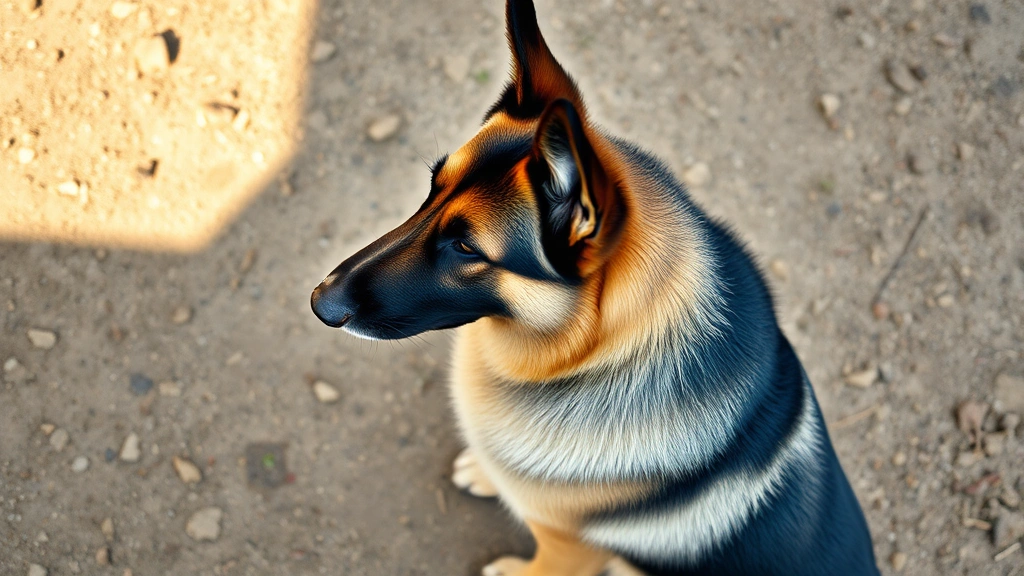
Between 12 and 24 months, German Shepherds approach their adult size and maturity. Growth significantly slows during this phase, with most dogs reaching their final adult weight by 18 months. Males typically weigh 75 to 95 pounds at full maturity, while females usually weigh 60 to 70 pounds, though individual variation exists.
The final growth phase focuses on muscle development and skeletal strengthening rather than dramatic size increases. Your German Shepherd’s body continues filling out and becoming more muscular. Mental maturity also develops during this period, with improved impulse control and emotional regulation. Many behavioral issues that emerged during adolescence resolve naturally as the dog matures.
By 24 months, most German Shepherds have reached their full adult size and behavioral maturity. However, individual dogs may continue subtle changes in musculature and body composition until 3 years of age. Maintaining consistent training, appropriate exercise, and high-quality nutrition supports optimal development throughout this extended maturation period.
Creating Your Own Growth Tracking System
Establishing a systematic approach to tracking your German Shepherd puppy’s growth provides valuable data for identifying potential health issues and optimizing care strategies. Begin by recording your puppy’s weight at consistent intervals, ideally weekly during the first 6 months, then monthly through 24 months.
Create a simple spreadsheet or use a dedicated app to record weights, dates, and any notable observations about your puppy’s development. Include measurements such as shoulder height (measured from the ground to the highest point of the shoulder blade) and body length (measured from the point of the shoulder to the point of the buttocks). These measurements provide more comprehensive growth data than weight alone.
Document behavioral milestones, training achievements, and any health concerns. Note changes in appetite, activity level, or physical appearance that might indicate developmental issues. Regular veterinary check-ups provide professional assessment and comparison to breed standards. By maintaining detailed records, you create a comprehensive growth profile that guides decision-making about nutrition, exercise, and training adjustments.
This systematic tracking approach aligns with the principles discussed in our Growth Life Hub Blog, where measurement and accountability drive continuous improvement. The same mindset that applies to personal development applies to optimizing your puppy’s health and growth trajectory.
Nutrition and Growth Optimization
Proper nutrition is the single most important factor influencing your German Shepherd puppy’s growth and development. Large-breed puppies have specific nutritional requirements that differ significantly from small-breed puppies and adult dogs. Excessive growth rate, particularly from overfeeding or high-calorie diets, can increase the risk of developmental orthopedic disease, joint problems, and other growth-related complications.
Select a high-quality large-breed puppy food formulated specifically for growing dogs. Look for foods with appropriate calcium and phosphorus ratios (typically 1.2:1), moderate protein levels (22-24%), and controlled fat content. Avoid adult formulas or generic puppy foods not designed for large breeds. Your veterinarian can recommend appropriate brands based on your puppy’s individual needs.
Feeding frequency changes as your puppy grows. Until 12 weeks, feed 3 to 4 times daily. From 12 weeks to 6 months, reduce to 2 to 3 feedings daily. After 6 months, transition to twice-daily feeding, which you’ll maintain throughout adulthood. Measure portions carefully according to your puppy’s weight and age, following package guidelines adjusted for your specific dog’s growth rate.
Avoid supplementing with calcium, phosphorus, or other minerals unless specifically recommended by your veterinarian. Excessive supplementation can actually harm development by creating mineral imbalances. High-quality puppy food provides appropriate mineral levels when fed in proper portions. Treats should comprise no more than 10% of daily calories. This disciplined nutritional approach connects to the broader concept of sustainable growth strategies that prioritize long-term health over short-term gains.
Common Growth Issues and When to Consult Your Vet
While most German Shepherd puppies grow normally, some developmental issues can occur. Hip dysplasia, a genetic condition affecting the hip joint, is relatively common in the breed. Elbow dysplasia affects the elbow joint similarly. Both conditions have genetic and environmental components, with excessive growth rate, improper nutrition, and excessive exercise during growth phases contributing to severity.
Growth plate disorders can occur when growth plates (soft cartilage areas at bone ends) are damaged or develop abnormally. These typically result from trauma, excessive jumping, or sustained high-impact activity during the growth period. Signs include limping, reluctance to exercise, or visible swelling. Consult your veterinarian immediately if you notice these symptoms.
Panosteitis, sometimes called “growing pains,” causes lameness that shifts between legs and typically resolves as growth completes. While usually not serious, it warrants veterinary evaluation to rule out other conditions. Some puppies experience temporary setbacks in growth or appetite during stressful periods, which typically resolve with appropriate management.
Contact your veterinarian if you notice: growth rate significantly faster or slower than expected, lameness or reluctance to exercise, abnormal body proportions, skin or coat issues, or behavioral changes suggesting pain or discomfort. Regular veterinary check-ups at 8 weeks, 12 weeks, 16 weeks, 6 months, 12 months, and 18 months provide professional oversight of your puppy’s development.
FAQ
What is the average weight of an adult German Shepherd?
Adult male German Shepherds typically weigh 75 to 95 pounds, while females usually weigh 60 to 70 pounds. Individual variation exists based on genetics, sex, and overall body structure. Some dogs may be slightly smaller or larger while still being healthy and within breed standards.
How can I predict my puppy’s adult size?
Adult size is primarily determined by genetics. Examining the parents’ sizes provides the best estimate. Generally, puppies reach approximately 75% of their adult weight by 6 months and 90% by 12 months. Individual growth rates vary, but established growth charts provide reasonable benchmarks for comparison.
Is it normal for growth to fluctuate?
Minor fluctuations in growth rate are normal, particularly during stressful periods or dietary changes. However, dramatic changes warrant veterinary evaluation. Most puppies maintain relatively consistent growth trajectories when nutrition and care remain stable.
When do German Shepherds stop growing?
Most German Shepherds reach their full adult height by 12 to 14 months, though they continue developing muscle mass and filling out until 18 to 24 months. Some individuals may continue subtle changes until 3 years of age. Growth plates typically close by 18 to 24 months.
How much exercise should my growing German Shepherd get?
Exercise recommendations vary by age. Young puppies (under 3 months) should have short, frequent play sessions of 5 to 10 minutes. From 3 to 6 months, increase to 15 to 20-minute sessions 2 to 3 times daily. After 6 months, gradually increase to adult levels, but avoid excessive jumping or long-distance running until growth plates close at approximately 18 to 24 months.
What is the best diet for a growing German Shepherd?
Feed a high-quality large-breed puppy formula specifically formulated for growing dogs. Look for appropriate calcium-phosphorus ratios, moderate protein, and controlled fat. Avoid generic puppy foods or adult formulas. Your veterinarian can recommend specific brands appropriate for your puppy’s individual needs and growth rate.


