Does Waxing Reduce Hair Growth? Dermatologist Insights and Evidence-Based Facts
The question of whether waxing permanently reduces hair growth has puzzled beauty enthusiasts for decades. Many people spend considerable time and money on waxing treatments hoping for permanent hair reduction, only to discover that hair regrows within weeks. Understanding the science behind hair growth and waxing is essential for making informed decisions about your personal grooming routine and managing realistic expectations about long-term results.
Hair removal is more than a cosmetic concern—it’s deeply connected to self-confidence and how we present ourselves to the world. Just as personal growth requires understanding your starting point, understanding your hair growth cycle is the first step toward effective hair management. This comprehensive guide reveals what dermatologists actually know about waxing’s effects on hair growth, backed by scientific research and expert insights.
The Hair Growth Cycle Explained
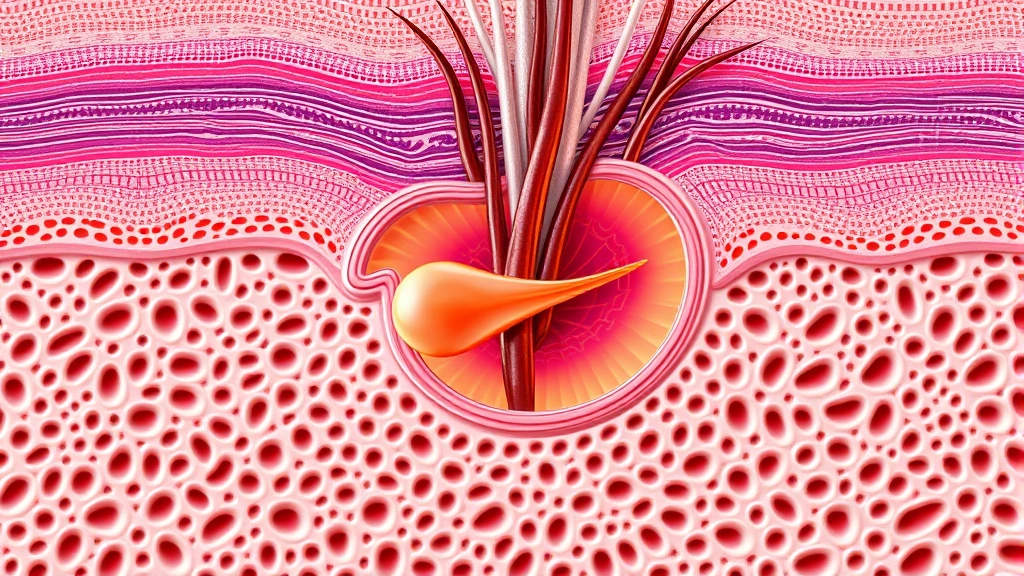
Before addressing whether waxing reduces hair growth, you need to understand how hair naturally grows. Human hair doesn’t grow continuously at the same rate. Instead, each hair follicle goes through three distinct phases: the anagen (growth) phase, the catagen (transition) phase, and the telogen (resting) phase. This cyclical process is fundamental to understanding why waxing cannot permanently eliminate hair.
During the anagen phase, which lasts between 2-7 years depending on body location, hair actively grows from the follicle. This is when your hair is most visible and robust. The catagen phase follows, lasting about 2-3 weeks, during which the hair stops growing and the follicle begins to shrink. Finally, the telogen phase, lasting 2-4 months, is when the hair rests before eventually falling out and the cycle restarts. At any given time, approximately 85-90% of scalp hair is in the anagen phase, while body hair distribution varies significantly.
This natural cycle means that even if you remove hair completely, new hair will continue to grow from the same follicle once it enters the next growth phase. Understanding this biological reality is crucial for setting realistic expectations about any hair removal method. The follicle itself—the structure beneath the skin that produces hair—remains intact and functional regardless of how many times you remove the hair growing from it.

How Waxing Works at the Cellular Level
Waxing removes hair by adhering to the hair shaft and pulling it out from the root, including the bulb at the base of the hair. When done correctly, waxing can remove hair from beneath the skin surface, which is why results last longer than shaving. However, “removing from the root” doesn’t mean removing or damaging the follicle itself—the living tissue that continues producing new hair.
The wax adheres to the hair and extends into the follicle, but it cannot reach or destroy the dermal papilla, which is the living tissue at the base of the follicle responsible for hair production. This is the critical distinction that dermatologists emphasize: removing the hair shaft is vastly different from destroying the follicle. No matter how many times you wax, the follicle remains alive and capable of producing new hair.
When hair is pulled out during waxing, the follicle experiences temporary inflammation and stress. Some people notice that after repeated waxing, hair grows back slightly finer or lighter in some cases, but this is not true hair reduction—it’s typically a temporary effect caused by the trauma to the hair follicle and the removal of finer regrowth hairs. The follicle itself is not permanently damaged or destroyed.
Does Waxing Actually Reduce Hair Growth
The straightforward answer from dermatologists is: No, waxing does not reduce or permanently decrease hair growth. This is an important distinction to understand clearly. While waxing provides excellent temporary hair removal that lasts 3-6 weeks, it does not change the fundamental behavior of your hair follicles or reduce the amount of hair your body produces.
Hair may appear slightly finer after repeated waxing, and regrowth may seem slower initially, but these are temporary effects. The hair that grows back is typically the same thickness and density as before. Some studies suggest that consistent waxing over many years might result in slightly reduced hair density in specific areas, but this effect is minimal and not guaranteed. The primary reason many people believe waxing reduces hair growth is simply because they’re removing all visible hair regularly, making the regrowth phase less noticeable initially.
This distinction matters when you’re considering your approach to hair management. Rather than hoping for permanent reduction, it’s smarter to accept waxing as an excellent temporary solution and plan your grooming routine accordingly. Understanding this reality helps you make informed decisions about whether waxing is the right choice for your needs and budget.
Dermatologist-Backed Evidence
Research from dermatological institutions provides clear evidence about waxing’s actual effects. A study published in the Journal of Cosmetic Dermatology found that while waxing effectively removes hair for 3-6 weeks, there was no significant permanent reduction in hair growth or follicle density after extended use. The study followed participants over 12 months of regular waxing and found no measurable decrease in hair production.
According to research from the American Academy of Dermatology, methods that actually reduce hair growth require either destroying the follicle or significantly disrupting the dermal papilla. These methods include laser hair removal, electrolysis, and prescription treatments like eflornithine cream. Waxing, by contrast, simply removes the visible hair without affecting the follicle’s ability to produce new hair.
Dr. Joshua Zeichner, director of cosmetic and clinical research at Mount Sinai Hospital, explains that the follicle must be actively damaged to achieve permanent hair reduction. Waxing pulls out the hair but leaves the follicle intact and ready to produce new hair in the next growth cycle. This is why dermatologists consistently recommend waxing as a temporary solution rather than a permanent fix.
Additional research from PubMed Central examining various hair removal methods confirms that mechanical removal methods like waxing, plucking, and threading do not permanently reduce hair growth. The consensus among dermatologists is clear: if permanent hair reduction is your goal, you need treatments that damage the follicle structure itself.
Long-Term Effects of Regular Waxing
What happens when you wax consistently for years? Dermatologists have observed some interesting long-term effects, though none result in permanent hair reduction. Regular waxing over many years may result in slightly slower regrowth initially, as the follicle becomes accustomed to repeated removal. Some people report that after several years of consistent waxing, hair seems to grow back slightly finer or less densely in certain areas.
However, these effects are modest at best and highly variable between individuals. Genetics, hormones, age, and ethnicity all influence hair growth patterns far more than waxing does. If you stop waxing, your hair will return to its normal growth pattern within a few months. The follicles haven’t been permanently altered—they’ve simply been regularly emptied of their hair.
One phenomenon people sometimes notice is that with consistent waxing, fewer hairs seem to grow back initially after each session. This occurs because waxing removes hairs in different growth phases. Some hairs that were just entering the anagen phase get removed and won’t regrow for several weeks, while others were already in later phases. Over time, as you consistently remove hair, you’re working with a more synchronized growth cycle, which can make regrowth appear slower initially.
The skin itself may benefit from regular waxing in terms of exfoliation, as the process removes dead skin cells along with hair. This can leave skin feeling smoother temporarily. However, this is an exfoliation benefit, not a hair reduction benefit. Proper skincare and setting realistic goals about what waxing can achieve helps you maintain healthy expectations and skin.
Alternative Hair Reduction Methods
If you’re seeking actual hair reduction rather than temporary removal, several evidence-based options exist. Laser hair removal is the most popular semi-permanent option, working by directing concentrated light energy into hair follicles to damage the dermal papilla. Results typically show 70-90% hair reduction after a series of treatments, with effects lasting months to years. However, laser hair removal is not truly permanent for most people, and maintenance treatments are often needed.
Electrolysis is the only FDA-approved method for permanent hair removal. It uses electrical current to destroy individual hair follicles and is particularly effective for small areas or fine hair. The process is time-consuming and requires multiple sessions, but results are genuinely permanent. This method works for all hair colors and skin types, unlike laser treatment.
Prescription treatments like eflornithine cream (Vaniqa) can slow hair growth by up to 60% when applied regularly to facial hair. This medication works by inhibiting an enzyme necessary for hair growth. While not a removal method, it can significantly reduce the rate of hair growth and the need for frequent removal sessions.
Hormonal treatments may be appropriate if excess hair growth is related to hormonal imbalances. Conditions like polycystic ovary syndrome (PCOS) can be managed with birth control or anti-androgen medications that reduce hair growth by addressing the underlying hormonal cause. Consulting with a dermatologist about your specific situation helps determine if hormonal factors are contributing to your hair growth.
For those interested in improving their confidence and motivation regarding appearance, understanding these options empowers informed decision-making. Each method has different costs, effectiveness levels, and commitment requirements, so your choice depends on your specific needs, budget, and hair characteristics.
Maximizing Results from Waxing
While waxing won’t reduce hair growth, you can optimize your waxing routine for the best temporary results. Proper technique and aftercare make a significant difference in how long results last and how your skin responds. First, ensure you’re visiting a licensed, experienced esthetician who uses high-quality wax and follows proper sanitation protocols. Professional waxing typically yields better results than at-home waxing.
Timing matters significantly. Wax when hair is approximately 1/4 inch long—long enough for the wax to grip effectively but not so long that removal becomes uncomfortable. If you’re waxing at home, exfoliate gently 24 hours before waxing to remove dead skin cells and allow better wax adherence. Avoid exfoliating immediately after waxing, as skin will be sensitive.
Moisturizing after waxing is essential. Use fragrance-free, gentle moisturizers and avoid products with alcohol or strong actives for at least 24 hours post-waxing. Staying hydrated and maintaining healthy skin supports faster healing and can make the waxing process easier over time. Some people find that consistent waxing becomes less painful as skin adapts, though this varies individually.
To extend results, avoid heat exposure for 24-48 hours after waxing. This means skipping hot showers, saunas, and intense exercise that causes sweating. Sun exposure should also be avoided, as waxed skin is more sensitive to UV damage. Wearing loose clothing prevents irritation from friction on freshly waxed skin.
Understanding that waxing is a maintenance routine rather than a permanent solution helps you approach it strategically. Just as personal growth requires consistent effort, maintaining smooth skin through waxing requires regular commitment. Planning your waxing schedule 4-6 weeks apart ensures you’re never dealing with excessive regrowth while maximizing the smooth-skin period.
FAQ
Does waxing reduce hair growth permanently?
No. Waxing removes hair temporarily but does not permanently reduce hair growth. The hair follicle remains intact and will continue producing new hair. Results typically last 3-6 weeks before regrowth appears. For permanent reduction, you need treatments that damage the follicle itself, such as laser hair removal or electrolysis.
Can waxing make hair grow back thinner?
Possibly, but only marginally and temporarily. Some people notice slightly finer regrowth initially after regular waxing, but this effect is modest and not guaranteed. Hair typically returns to its normal thickness and density. Any perceived thinning is usually due to removing finer regrowth hairs rather than actual permanent changes to hair structure.
How long do waxing results last?
Most people experience smooth skin for 3-6 weeks after waxing. The variation depends on individual hair growth rates, hair thickness, and the specific body area being waxed. Facial hair typically regrows faster than body hair. Consistent waxing may eventually lead to slightly longer intervals between sessions as follicles synchronize.
Is waxing better than shaving for reducing hair growth?
Neither method reduces hair growth. Both are temporary removal methods. Waxing lasts longer (3-6 weeks) compared to shaving (1-3 days), making it more convenient for extended smoothness. However, waxing doesn’t permanently reduce hair any more than shaving does. Choose based on convenience, cost, and skin sensitivity rather than expecting permanent results.
What’s the best method for permanent hair reduction?
Laser hair removal and electrolysis are the most effective methods for permanent or semi-permanent hair reduction. Laser hair removal typically requires multiple sessions and provides 70-90% reduction. Electrolysis is the only FDA-approved permanent method but is more time-consuming. Prescription treatments like eflornithine cream can slow growth significantly. Consult a dermatologist to determine which option suits your needs.
Can waxing damage hair follicles?
Waxing doesn’t damage follicles in a way that prevents future hair growth. While the process causes temporary inflammation and stress to the follicle, it doesn’t destroy the dermal papilla, which is responsible for hair production. The follicle recovers and continues producing hair normally. Improper waxing technique or extremely sensitive skin might cause temporary irritation, but permanent damage is not a concern.
Why does hair seem to grow back slower after waxing?
Hair may seem to grow back slower initially after waxing because you’re removing hairs in different growth phases. Some hairs were just beginning their growth phase when removed, so they won’t reappear for several weeks. This creates a temporary lag in visible regrowth. Additionally, finer regrowth hairs are less noticeable than thicker terminal hairs, contributing to the perception of slower growth.


