Boost Roma Tomato Growth: Gardener Tips for Maximum Yield
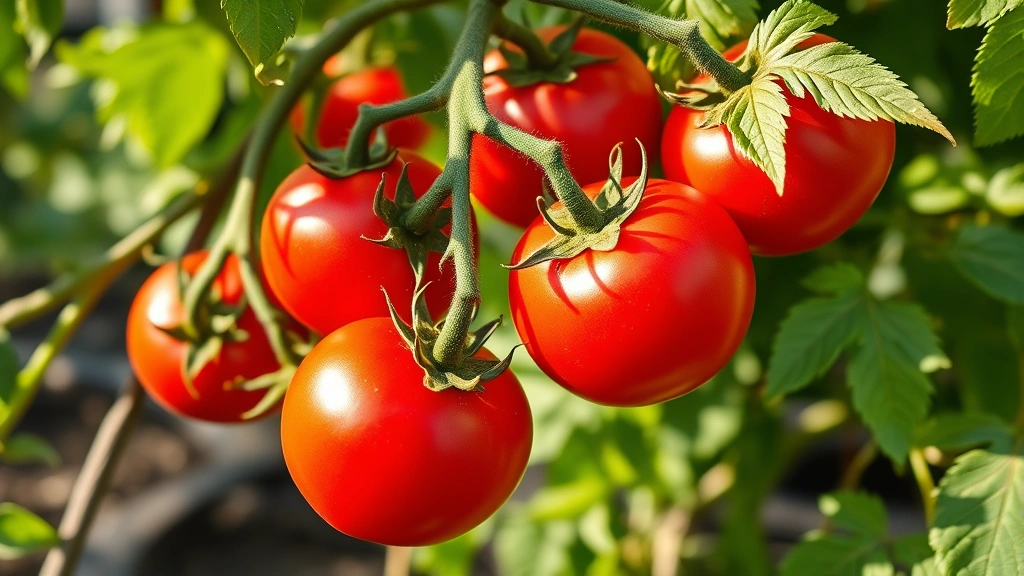
Growing Roma tomatoes successfully requires understanding the fundamental principles that govern plant development, much like personal growth demands intentional effort and strategic planning. Roma tomatoes, known for their oblong shape and meaty texture, are a favorite among home gardeners and commercial producers alike. Whether you’re cultivating a small backyard garden or managing a larger growing operation, the principles of Roma tomato growth remain consistent: provide optimal conditions, monitor progress diligently, and adjust your approach based on real-time feedback.
This comprehensive guide explores evidence-based techniques that will transform your Roma tomato cultivation from average to exceptional. Just as developing a growth mindset requires consistent practice and dedication, nurturing thriving Roma tomato plants demands attention to detail and a willingness to learn from each growing season. The strategies outlined here draw from horticultural research, experienced gardener practices, and environmental science principles that have been proven to increase yields significantly.
Building the Perfect Soil Foundation
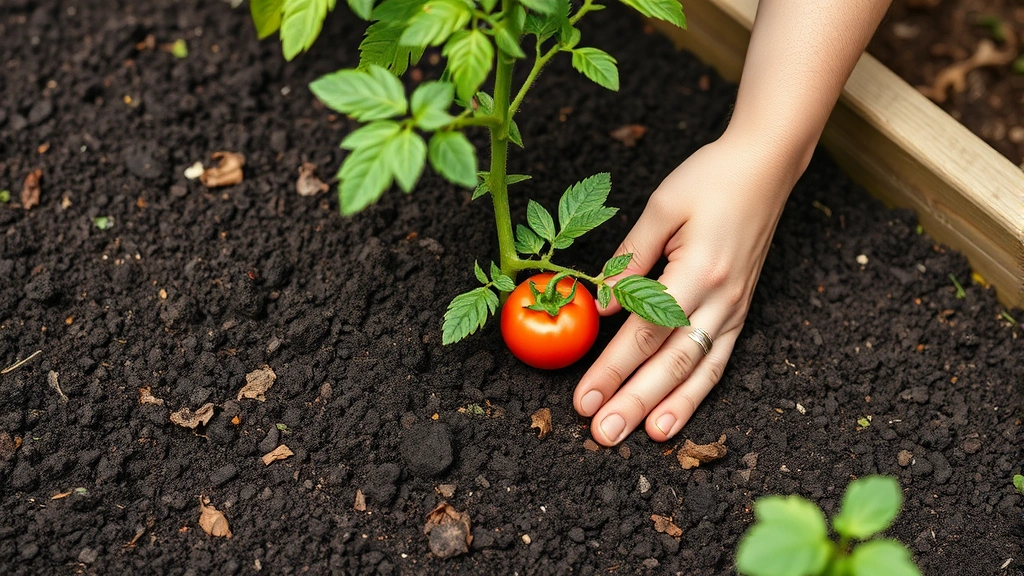
The foundation of successful Roma tomato growth begins beneath the surface with soil preparation. Roma tomatoes thrive in well-draining, nutrient-rich soil with a pH between 6.0 and 6.8. Before planting, incorporate 2-3 inches of compost or aged organic matter into your garden beds. This amendment improves soil structure, increases water retention capacity, and provides slow-release nutrients that support sustained plant development throughout the growing season.
Consider conducting a soil test through your local agricultural extension office. This diagnostic approach mirrors the principle of personal growth through self-assessment—you cannot improve what you don’t measure. A soil test reveals nitrogen, phosphorus, and potassium levels, along with micronutrient availability. Based on results, you can make targeted amendments rather than applying fertilizers blindly. Roma tomatoes are heavy feeders, meaning they extract significant nutrients from soil during their growth cycle.
Mulching represents another critical soil management strategy. Apply 2-3 inches of organic mulch (wood chips, straw, or compost) around plants, maintaining a 6-inch clearance from stems to prevent disease. Mulch regulates soil temperature, reduces water evaporation, suppresses weeds, and gradually decomposes to enhance soil organic matter. This single practice reduces watering frequency by 30-50% while improving overall plant vigor.
Strategic Watering and Moisture Management
Inconsistent watering represents the primary cause of Roma tomato problems, from blossom-end rot to fruit cracking. These plants require approximately 1-2 inches of water weekly, delivered through deep, infrequent irrigation rather than shallow daily sprinkles. Deep watering encourages robust root development, similar to how increasing motivation requires building strong foundational habits.
Implement drip irrigation or soaker hoses positioned at soil level. This targeted delivery method reduces foliar wetness, which decreases fungal disease pressure significantly. Water early morning, allowing foliage to dry quickly and reducing disease risk. Soil should feel moist 2-3 inches deep; use the finger test to verify moisture levels. Avoid overhead watering, which promotes powdery mildew and early blight.
Monitor rainfall and adjust supplemental watering accordingly. During hot, dry periods, daily monitoring becomes essential. Conversely, during rainy weeks, reduce or eliminate supplemental watering to prevent waterlogged conditions that invite root diseases. Consistency matters tremendously—fluctuating moisture levels crack fruit and trigger physiological disorders that reduce marketability and culinary quality.
Maximizing Sunlight Exposure
Roma tomatoes demand full sun—minimum 6-8 hours daily, though 8-10 hours produces superior results. Adequate sunlight drives photosynthesis efficiency, increases sugar production in fruits, and strengthens plant immune responses. Site selection represents your first opportunity to optimize sunlight exposure. Choose locations receiving unobstructed morning and afternoon sun, avoiding shade from structures or mature trees.
As plants mature, strategic pruning enhances light penetration through the canopy. Remove lower leaves once fruits begin setting, improving air circulation and reducing disease pressure. This approach, detailed in our comprehensive guide on goal setting, mirrors the principle of removing obstacles to progress. Each leaf removed should serve a purpose—improving light penetration, enhancing air flow, or reducing disease vectors.
In extremely hot climates (above 95°F regularly), light afternoon shade from 30% shade cloth prevents heat stress and maintains fruit quality. Temperatures above 90°F reduce pollen viability, decreasing fruit set. Shade cloth balances heat management with light requirements, protecting yields during extreme weather periods.
Nutrient Feeding Schedule
Roma tomato nutrition divides into two phases: vegetative growth and fruiting. During the first 3-4 weeks, nitrogen supports robust foliage and root development. As flowering begins, shift toward higher phosphorus and potassium ratios to encourage fruit production and quality. A balanced approach, documented by Scientia Horticulturae research, prevents excessive vegetative growth at fruit production’s expense.
Apply fertilizer every 2-3 weeks once flowering begins. Use balanced formulations (10-10-10) initially, then shift to higher phosphorus options (5-10-10) as fruit development accelerates. Organic options include fish emulsion, compost tea, and seaweed extracts, all providing slow-release nutrients with biological activity. Avoid excessive nitrogen after flowering, which produces leafy plants with minimal fruit.
Calcium deficiency causes blossom-end rot—a devastating disorder appearing as dark, sunken spots on fruit bottoms. Prevent this by maintaining consistent watering (which transports calcium to developing fruits) and applying crushed eggshells or gypsum to soil before planting. This proactive approach, aligned with our blog’s emphasis on preventive personal development strategies, proves far more effective than treating established problems.
Pruning and Support Techniques
Roma tomatoes benefit from strategic pruning that enhances light penetration, improves air circulation, and directs energy toward fruit production. Determinate Roma varieties (bush types) require minimal pruning, while indeterminate varieties (vining types) need regular maintenance. Remove suckers—shoots emerging from leaf axils between main stems and branches—to maintain a 1-2 stem structure that concentrates energy into fruit rather than excessive foliage.
Implement sturdy support systems using cages, stakes, or trellises. Unsupported plants experience fruit contact with soil, increasing disease and pest damage. Proper support prevents branch breakage under fruit weight and improves harvest efficiency. Install supports at planting time to avoid root damage from later installation.
As plants mature, remove lower leaves (those touching or near soil) once fruits appear. This practice improves air circulation, reduces fungal spore splash from rain, and prevents soil-borne pathogens from accessing foliage. Remove no more than 20% of foliage weekly to maintain adequate photosynthetic capacity for fruit development.
Pest and Disease Management
Early blight and late blight represent the most serious Roma tomato diseases. Early blight appears as brown concentric rings on lower leaves; late blight causes water-soaked spots and rapid defoliation. Prevent these through cultural practices: adequate spacing for air circulation, drip irrigation avoiding foliage wetness, mulching to prevent soil splash, and removing infected leaves immediately.
Integrated pest management (IPM) principles minimize chemical inputs while protecting yields. Scout plants twice weekly for pest presence and disease symptoms. Common pests include hornworms, whiteflies, and spider mites. Hand-pick hornworms when populations are low. Use neem oil or insecticidal soap for whiteflies and spider mites, applying in evening when beneficial insects are less active. Nature journal research demonstrates IPM approaches achieve 90% pest control while reducing environmental impact.
Fungal diseases thrive in humid conditions. Ensure 2-3 feet spacing between plants, remove affected leaves promptly, and avoid overhead watering. Copper fungicides provide effective organic disease control when applied preventively at first disease signs. Rotate tomato planting locations yearly to break disease cycles and reduce pathogen populations in soil.
Temperature Control Strategies
Roma tomatoes perform optimally at 70-85°F during days and 55-70°F at night. Temperature extremes—below 55°F or above 95°F—reduce pollen viability, decrease fruit set, and trigger physiological disorders. In cool climates, use black plastic mulch to warm soil and accelerate early growth. In hot climates, implement shade cloth (20-30%) during peak heat periods.
Understand your region’s frost dates and plan accordingly. Start seeds indoors 6-8 weeks before last spring frost, hardening off seedlings gradually before transplanting outdoors. In fall, protect plants from early frosts using row covers or cold frames to extend harvest into autumn months. This strategic planning, similar to selecting appropriate tools for professional growth, maximizes your growing season and increases overall productivity.
Monitor weather forecasts during vulnerable periods. Unexpected cold snaps require emergency frost protection. Row covers, blankets, or makeshift structures preserve heat and protect tender plants. Conversely, extreme heat waves necessitate increased watering frequency and temporary shade deployment to prevent heat stress.
FAQ
How often should I fertilize Roma tomatoes?
Fertilize every 2-3 weeks once flowering begins. Begin with balanced fertilizer (10-10-10), switching to higher phosphorus formulations (5-10-10) as fruits develop. Reduce frequency in late season to prevent excessive vegetative growth.
What’s the ideal spacing for Roma tomato plants?
Space plants 24-36 inches apart, with rows 3-4 feet apart. Adequate spacing ensures air circulation, reduces disease pressure, and simplifies harvest and maintenance activities. Closer spacing increases disease risk and reduces individual plant productivity.
When should I harvest Roma tomatoes?
Harvest when fruits reach full color but maintain slight firmness. Ripe Roma tomatoes yield slightly to gentle pressure. Harvest regularly to encourage continued production. Tomatoes continue ripening after picking if stored at room temperature, allowing controlled ripening throughout the season.
Can I grow Roma tomatoes in containers?
Yes, use containers minimum 5-gallon capacity with drainage holes. Container-grown plants require more frequent watering and fertilizing due to limited soil volume. Ensure 6-8 hours daily sunlight and use high-quality potting soil enriched with compost. Container growing offers flexibility and disease management advantages in challenging climates.
How do I prevent blossom-end rot?
Maintain consistent soil moisture through deep, regular watering. Ensure adequate calcium availability by applying gypsum or crushed eggshells before planting. Mulch heavily to regulate soil moisture and temperature. Avoid excessive nitrogen fertilization, which reduces calcium uptake.
What’s the difference between determinate and indeterminate Roma varieties?
Determinate varieties are bush-type plants with finite growth, producing concentrated crops suitable for canning. Indeterminate varieties vine continuously, producing fruits throughout the season—ideal for fresh eating and extended harvest. Choose based on your intended use and climate.


