
Boost Hair Growth: Protein Powder’s Benefits Revealed
Your hair is a reflection of your overall health and vitality. Just as you invest in personal growth and self-improvement, nourishing your hair from within deserves equal attention. Protein powder has emerged as a powerful nutritional tool that supports not just muscle development, but also the structural integrity and growth of your hair. Understanding how protein fuels hair growth can transform your approach to both fitness and beauty.
Hair is primarily composed of a protein called keratin, which provides strength, elasticity, and shine. When your body lacks adequate protein intake, hair growth slows, strands become brittle, and you may experience increased shedding. Protein powder offers a convenient, efficient way to ensure your body has the amino acids necessary for robust hair growth while supporting your broader health and wellness journey.
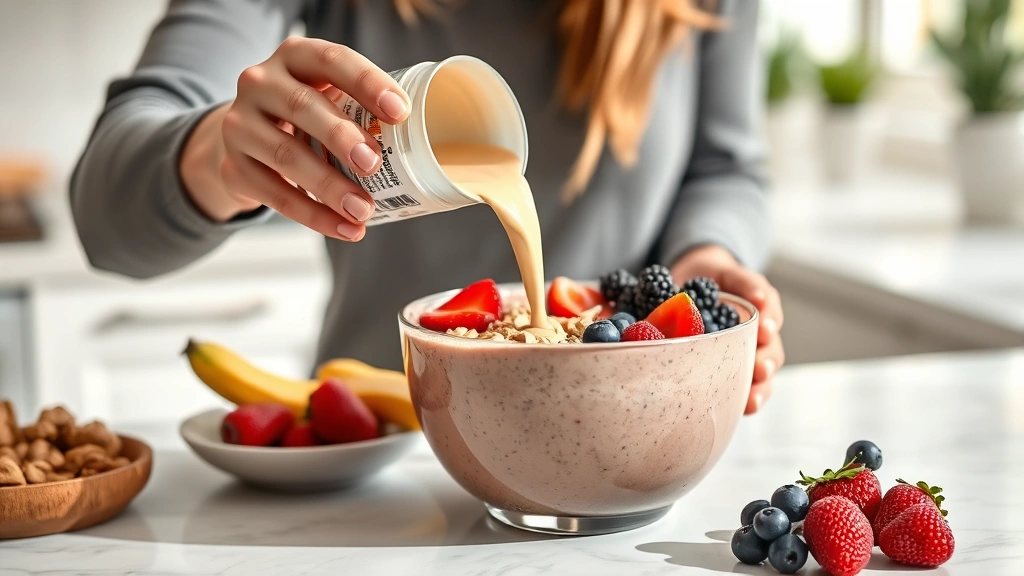
How Protein Powers Hair Growth
Your hair follicles are among the most metabolically active cells in your body. They require consistent protein supply to function optimally. When you consume protein powder, your digestive system breaks it down into amino acids, which are then transported throughout your body to build and repair tissues, including hair follicles.
The growth phase of hair, called the anagen phase, lasts between two to seven years. During this critical period, hair cells divide rapidly, requiring substantial amino acid availability. Without adequate protein, your body prioritizes vital organs over hair growth, pushing follicles into the resting phase prematurely. This is why increasing motivation to maintain consistent nutritional habits directly impacts visible results.
Research from the National Center for Biotechnology Information demonstrates that protein deficiency correlates with telogen effluvium, a condition causing excessive hair shedding. Conversely, adequate protein intake strengthens the hair shaft from within, improving thickness and reducing breakage.
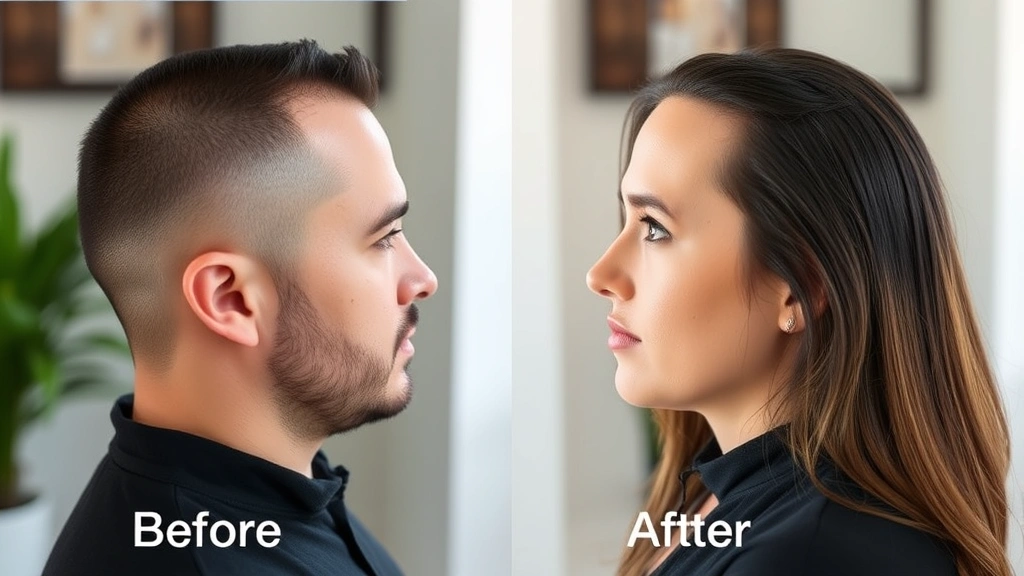
Types of Protein Powder Best for Hair Health
Not all protein powders deliver equal benefits for hair growth. Understanding the different types helps you make informed choices aligned with your health goals.
- Whey Protein: Contains all nine essential amino acids and absorbs quickly, making it ideal for post-workout recovery and hair nourishment. It’s rich in cysteine and methionine, amino acids crucial for keratin production.
- Collagen Peptides: Directly support hair structure since collagen surrounds hair follicles. This type provides glycine, proline, and hydroxyproline—amino acids that strengthen hair and promote elasticity.
- Plant-Based Proteins: Hemp, pea, and rice protein powders offer complete amino acid profiles. They’re excellent for those pursuing personal growth through plant-based lifestyles while maintaining hair health.
- Casein Protein: Digests slowly, providing sustained amino acid release throughout the day, supporting continuous hair follicle nourishment.
- Egg White Protein: Contains lutein and zeaxanthin, antioxidants that protect hair from oxidative stress and premature aging.
The best choice depends on your dietary preferences, fitness goals, and digestive tolerance. Many individuals rotate between types to maximize nutrient diversity.
Optimal Daily Protein Intake for Hair Growth
General nutritional guidelines recommend 0.8 grams of protein per kilogram of body weight daily. However, for those specifically targeting hair growth alongside fitness goals, 1.2 to 2.0 grams per kilogram is more effective.
For a 70-kilogram (154-pound) person, this translates to 84-140 grams daily. Protein powder can supply 20-30 grams per serving, making it an efficient supplementation strategy. Rather than viewing this as burdensome, reframe it as setting and achieving goals for your health transformation.
Consistency matters more than occasional large doses. Your hair follicles benefit from steady amino acid availability rather than sporadic protein surges. Incorporating protein powder into daily smoothies, oatmeal, or baked goods ensures reliable intake.
Key Amino Acids Your Hair Needs
While all amino acids support hair health, several deserve special attention:
- Cysteine: A semi-essential amino acid that produces glutathione, a powerful antioxidant protecting hair follicles from oxidative damage. Cysteine is also a keratin component.
- Methionine: Provides sulfur, essential for keratin cross-linking, which creates strong, resilient hair structures.
- Lysine: Supports collagen and elastin production around hair follicles, improving scalp health and nutrient delivery.
- Proline: A primary collagen component that strengthens the hair shaft and improves moisture retention.
- Tyrosine: Supports melanin production, helping maintain natural hair color and preventing premature graying.
Quality protein powders list amino acid profiles on their labels. Choosing those emphasizing these specific amino acids optimizes hair growth results.
Combining Protein with Micronutrients
Protein alone doesn’t guarantee hair growth. Micronutrients act as essential cofactors in hair production processes. Think of protein as the building material and micronutrients as the architects directing construction.
Vitamins Supporting Hair Growth:
- Biotin (B7): Strengthens keratin infrastructure and improves hair texture. Studies show biotin supplementation increases hair thickness in deficient individuals.
- Vitamin D: Regulates hair cycle progression and supports follicle health. Deficiency correlates with alopecia and excessive shedding.
- Vitamin B12: Essential for red blood cell formation, improving oxygen delivery to hair follicles.
- Folate: Supports cell division in hair follicles, directly influencing growth rate.
Minerals for Optimal Hair Health:
- Iron: Carries oxygen to hair follicles. Iron deficiency causes telogen effluvium and premature hair loss.
- Zinc: Regulates sebum production and supports protein synthesis. Deficiency leads to hair loss and scalp problems.
- Selenium: Protects hair follicles from oxidative stress through glutathione peroxidase activity.
While protein powder is your foundation, combining it with a nutrient-dense diet featuring leafy greens, eggs, nuts, and berries creates synergistic effects that accelerate hair growth results.
Real Results: Timeline and Expectations
Understanding realistic timelines prevents disappointment and maintains motivation. Hair growth is a slow biological process that requires patience—much like developing a growth mindset through dedicated study and practice.
Weeks 1-4: Your body begins utilizing increased protein for cellular repair. Hair texture may improve, and shedding may initially increase as old, weak hairs are replaced by stronger ones.
Weeks 5-12: New hair growth begins at the follicle base. Existing hair becomes noticeably thicker and shinier as keratin deposition increases.
Months 4-6: Visible length improvement becomes apparent. Hair strength increases significantly, reducing breakage and split ends.
Months 6-12: Substantial growth acceleration becomes evident. Many individuals report growing 1-1.5 inches monthly, compared to the average 0.5 inches.
These timelines assume consistent protein intake, adequate sleep, stress management, and overall good health. Individual results vary based on genetics, age, hormonal status, and baseline nutritional deficiencies. Younger individuals typically see faster results, while those with existing deficiencies may experience more dramatic improvements.
Protein Powder Recipes for Hair Growth
Integrating protein powder into enjoyable recipes ensures consistency. Use these formulations as starting points, adjusting flavors to your preferences.
Berry Biotin Smoothie: Blend one scoop whey protein, one cup mixed berries, one cup Greek yogurt, one tablespoon almond butter, and one cup unsweetened almond milk. Add a teaspoon of raw honey for additional antioxidants. This combination provides 30 grams protein, biotin from berries, and B vitamins from yogurt.
Collagen Coffee Creamer: Mix one scoop collagen peptides with your morning coffee along with coconut milk and cinnamon. This delivers sustained protein throughout your morning while supporting hair structure directly through collagen’s amino acid profile.
Protein Energy Balls: Combine one cup old-fashioned oats, one scoop vanilla protein powder, one-third cup almond butter, one-quarter cup raw honey, and one-quarter cup dark chocolate chips. Roll into balls and refrigerate. Each ball provides 8-10 grams protein with sustained energy release.
Overnight Oats for Hair Health: Layer one-half cup rolled oats, one scoop chocolate protein powder, one tablespoon chia seeds, one tablespoon ground flaxseed, one cup unsweetened almond milk, and one-quarter teaspoon vanilla extract in a mason jar. Refrigerate overnight. This provides complete amino acids plus omega-3 fatty acids supporting scalp health.
Protein Pancakes: Mix two eggs, one scoop vanilla protein powder, one-half cup cottage cheese, one tablespoon vanilla extract, and one-quarter teaspoon cinnamon. Cook on a griddle like traditional pancakes. Top with Greek yogurt and berries for additional protein and micronutrients.
These recipes transform protein powder from a basic supplement into delicious, hair-growth-supporting meals that you’ll actually enjoy consuming daily.
FAQ
How much protein powder should I consume daily for hair growth?
Most experts recommend 25-30 grams of protein powder daily, distributed across meals. This supplements whole food protein intake to reach the 1.2-2.0 grams per kilogram body weight target. However, individual needs vary based on body weight, activity level, and current hair health status. Consulting a registered dietitian provides personalized recommendations.
Can protein powder alone grow hair without other nutrients?
No. While protein is essential, hair growth requires biotin, vitamin D, iron, zinc, and selenium. Protein powder works synergistically with a nutrient-dense diet. Think of it as one component of a comprehensive approach rather than a standalone solution. Review our Growth Life Hub Blog for comprehensive nutritional strategies.
Which protein powder type is best for hair growth?
Collagen peptides and whey protein are particularly effective for hair growth due to their amino acid profiles. Collagen directly supports hair structure, while whey provides all essential amino acids with high cysteine and methionine content. Your best choice depends on dietary preferences and individual tolerance.
How long before I see hair growth results from protein powder?
Most individuals notice improved hair texture within 4-6 weeks. Visible length improvements typically appear after 3-4 months of consistent protein intake combined with adequate micronutrients and overall healthy habits. Patience is crucial—hair growth is a biological process that cannot be rushed.
Can women benefit from protein powder for hair growth?
Absolutely. Women benefit equally from protein powder’s hair growth benefits. The recommended daily intake remains 1.2-2.0 grams per kilogram body weight. Women may particularly benefit from collagen peptides, which also support skin elasticity and joint health.
Is there a maximum safe daily protein intake?
Healthy individuals can safely consume up to 2.2 grams of protein per kilogram body weight daily. Those with kidney disease should consult healthcare providers before increasing protein intake. For most people pursuing hair growth, 1.2-2.0 grams per kilogram is safe and effective without exceeding healthy limits.
Should I use protein powder if I already eat enough whole food protein?
If you’re already consuming adequate protein from whole foods, supplementation may be unnecessary. However, protein powder offers convenience, precise dosing, and additional benefits like collagen’s amino acid profile. Many individuals find it useful for reaching optimal intake while maintaining busy schedules. Consider productivity tools that help track nutritional intake accurately.
Can protein powder cause hair loss?
Quality protein powder doesn’t cause hair loss. However, excessive protein intake beyond 2.2 grams per kilogram body weight may stress kidneys in susceptible individuals. Additionally, some people react to specific protein sources. If experiencing hair loss after starting protein powder, assess for allergies or sensitivities, and consult a healthcare provider.


